Author: Jeff Tormey

How to Build an Effective Patient Follow-Up Protocol in Your Healthcare Call Center

How to Build an Effective Patient Follow-Up Protocol in Your Healthcare Call Center

Effective patient follow-up is one of the most powerful yet overlooked components of quality healthcare communication. When done correctly, it strengthens trust, improves outcomes, and reduces preventable complications. Many call centers, however, struggle with inconsistent processes and fragmented workflows. A structured protocol ensures every patient receives timely, proactive support after their visit or procedure. In this blog, we outline how to build a reliable and efficient follow-up system that enhances both patient satisfaction and clinical performance.

Key Takeaways

  • A well-structured patient follow-up protocol strengthens clinical outcomes by reinforcing treatment plans, identifying early complications, and supporting chronic care management.
  • Multichannel communication strategies; combining phone, SMS, email, and portal messaging; ensure patients receive timely, personalized support in the format they prefer.
  • Standardized workflows, consistent documentation, and clear escalation pathways are essential for safe, efficient patient follow-ups.
  • Technology such as CRM systems, automation tools, analytics, and EMR integrations enhances visibility, reduces administrative burden, and improves accuracy.
  • Personalized communication, cultural sensitivity, and rapid follow-up timelines significantly improve patient satisfaction and loyalty.

Why Patient Follow-Up Is Critical in Healthcare

Clinical importance

Patient follow-ups serve as the bridge between clinical encounters and successful health outcomes. When patients adhere to their treatment plans, complications decrease significantly. Post-discharge follow-up calls within 24-72 hours help identify early warning signs, ensure medication adherence, and provide crucial support during vulnerable transition periods. For chronic disease management, regular check-ins through your call center can prevent small issues from becoming expensive emergency department visits.

Surgical patients particularly benefit from structured follow-up care. Post-operative monitoring calls catch potential complications early, reinforce care instructions that patients may have forgotten, and provide reassurance during recovery. This proactive approach reduces hospital readmissions and improves clinical outcomes across all specialties. Understanding the long-term impact of consistent follow-up becomes clearer when considering the value of proactive patient follow-up strategies that strengthen retention and improve outcomes.

Operational and business impact

Beyond clinical benefits, effective patient follow-up protocols deliver measurable business results. Automated appointment reminders and follow-up appointments significantly reduce no-shows; some practices report reductions of 30% or more. When patients feel supported through consistent follow-up, they’re more likely to complete recommended treatment plans and return for ongoing care, directly impacting patient retention and lifetime value.

The financial implications extend further. Preventing just one hospital readmission through timely follow-up can save thousands of dollars while improving your quality metrics for value-based care contracts. Moreover, patients who receive excellent follow-up care become advocates for your practice, driving positive online reviews and referrals that fuel organic growth. Recognizing the operational benefits of follow-up workflows can be strengthened with insights tied to streamlined appointment adherence systems that reduce no-shows and support continuity of care.

The modern patient expectation

Today’s patients expect proactive communication from their healthcare providers. They’re accustomed to receiving timely reminders, status updates, and support from other service industries. When healthcare practices meet these expectations through professional patient communications, patient trust and satisfaction soar.

Modern patients also prefer digital-first interactions when appropriate. While voice calls remain essential for complex discussions, many patients appreciate automated appointment reminders via SMS, secure messaging through patient portal systems, and email updates about their care. A well-designed patient follow-up protocol leverages multiple communication channels to meet diverse patient preferences while maintaining the personal touch that healthcare requires. Recognizing current patient expectations is easier when considering evolving healthcare call center best practices that shape communication standards across the industry.

Core Components of an Effective Follow-Up Protocol

Defined call cadence and timeline

Successful patient follow-up tools require precise timing based on clinical needs and patient risk factors. Post-consultation follow-up typically occurs within 24-48 hours to reinforce treatment plans and address immediate questions. For high-risk patients or complex procedures, same-day follow-up may be appropriate.

Different specialties require tailored approaches. Bariatric surgery patients need frequent contact during their initial recovery phase, then scheduled check-ins aligned with their long-term treatment adherence goals. Cardiology patients may require more intensive follow-up immediately post-procedure, followed by regular intervals for chronic conditions monitoring. Orthopedic patients benefit from pain management support calls and mobility milestone check-ins during their follow-up period. Understanding how structured clinical oversight supports surgical recoveries aligns with the benefits demonstrated in post-surgical care call center models that enhance patient guidance after procedures.

Standardized scripts with room for personalization

Effective follow-up protocols balance consistency with personalized communication. Standardized scripts ensure your team asks the right clinical questions, provides accurate information, and documents outcomes properly. However, the best healthcare professionals adapt their tone and approach based on individual patient needs and concerns.

Scripts should guide conversations rather than constrain them. Train your team to listen actively, show empathy, and adjust their communication style based on patient responses. This human connection transforms routine follow-up calls into meaningful patient encounters that strengthen the therapeutic relationship.

Multichannel communication strategy

Modern patients communicate through various channels, and your patient follow-up protocol should accommodate these preferences. Phone calls remain the gold standard for complex discussions, but automated systems can handle routine appointment reminders, medication refill notifications, and basic follow-up surveys efficiently.

Strategic automation reduces workload on your call center team while ensuring consistent patient outreach. Use automated appointment reminders to significantly reduce no-shows, but reserve human interaction for sensitive conversations about test results, post-operative concerns, or patient education. This balanced approach maximizes efficiency while maintaining the personal touch that patients value.

Escalation protocols

Clear escalation pathways ensure that concerning patient responses reach appropriate clinical staff quickly. Train your call center team to recognize red flags: medication side effects, worsening symptoms, signs of post-surgical complications, or patient distress about their treatment plan.

Establish specific triggers for immediate escalation to nurses, providers, or emergency services. Document these protocols clearly and practice them regularly through training scenarios. When patients feel confident that their concerns will be heard and acted upon quickly, their trust in your entire healthcare team increases.

Documentation standards
Documentation standards

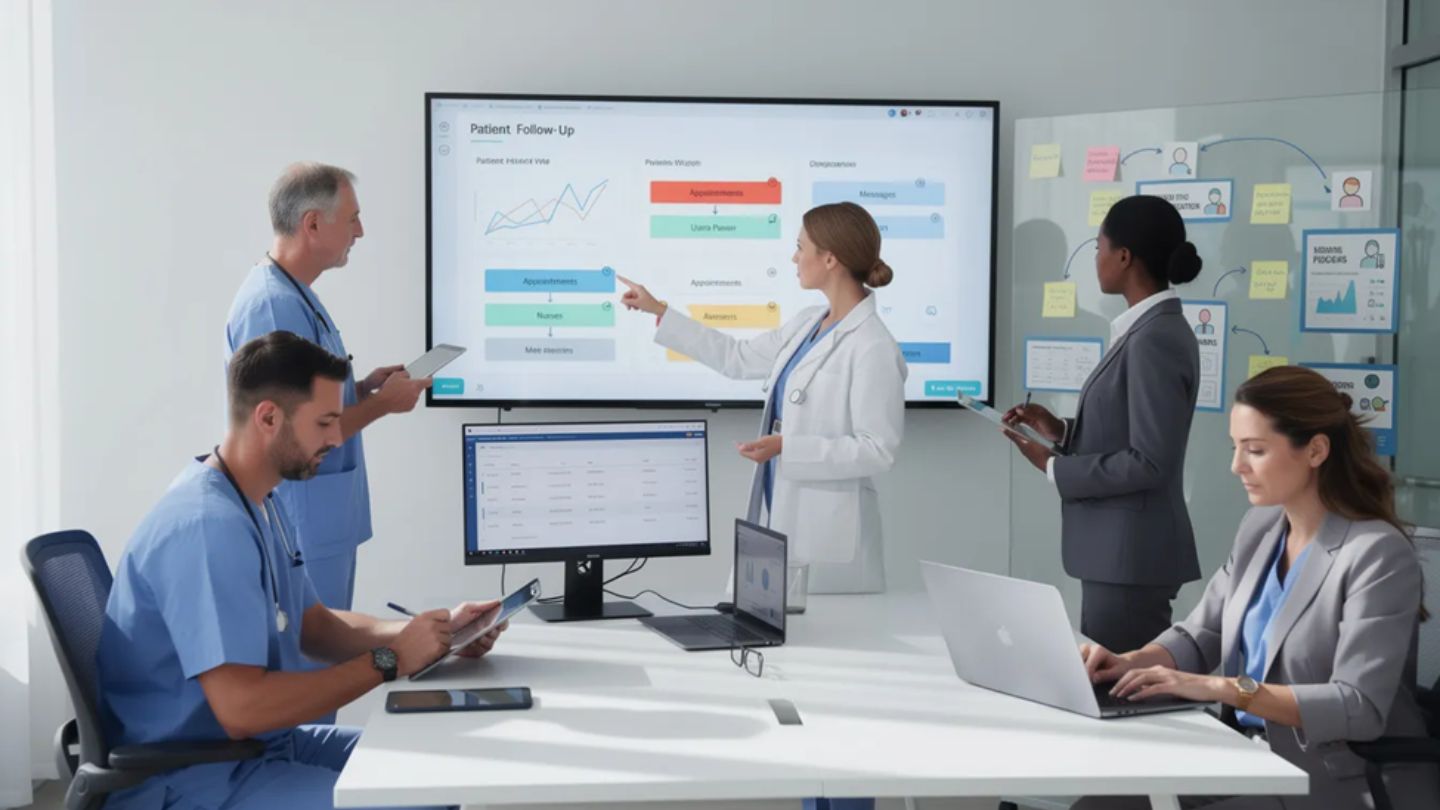
Accurate documentation transforms follow-up interactions into valuable clinical data that improves patient care continuity. Every patient encounter should be recorded in your CRM or EMR system with standardized fields for outcomes, patient responses, and next steps required.

This documentation serves multiple purposes: it ensures continuity when different team members follow up with the same patient, provides data for quality improvement initiatives, and supports compliance with healthcare regulations. Well-documented patient follow-ups also help identify patients who may benefit from additional support or intervention.

Steps to Build a Patient Follow-Up Protocol from Scratch

Step 1: Map the patient journey

Begin by documenting every touchpoint in your patient experience, from initial inquiry through long-term care relationships. Identify critical moments where follow-up can prevent patient drop-off or improve outcomes: after initial consultations, before scheduled procedures, during treatment adherence periods, and at long-term maintenance milestones.

Step 2: Define goals for each follow-up point

Each follow-up interaction should have specific, measurable objectives aligned with patient needs and clinical outcomes. Appointment confirmation calls ensure patients remember their visits and understand preparation requirements. Treatment adherence follow-ups verify that patients are following prescribed regimens and address any barriers they’re experiencing.

Step 3: Create communication templates and workflows

Develop standardized templates for each type of patient interaction while allowing flexibility for personalization. Sample scripts should include key talking points, required documentation elements, and escalation triggers. Email and SMS templates ensure consistent messaging while reducing preparation time for your team.

Step 4: Integrate CRM and patient engagement tools

Centralized patient follow-up tools streamline operations while providing comprehensive visibility into patient interactions. Your CRM system should integrate with scheduling software, EMRs, and communication platforms to eliminate duplicate data entry and ensure accuracy.

Step 5: Train call center agents

Successful patient follow-ups require more than clinical knowledge; your team needs strong soft skills to build rapport and trust with patients. Training should cover empathy-driven communication, active listening techniques, and cultural sensitivity for diverse patient populations.

Step 6: Implement quality assurance processes

Regular call audits ensure adherence to protocols while identifying coaching opportunities for individual agents. Performance dashboards track key metrics like call completion rates, patient satisfaction scores, and clinical outcomes improvements.

Best Practices for High-Performing Follow-Up Programs

Personalize every interaction

Use patient names, reference their specific procedures or conditions, and acknowledge their individual concerns or preferences. Personalized communication demonstrates that patients are valued as individuals rather than just medical records, which significantly improves patient engagement and satisfaction.

Keep messages simple and actionable.

Patients feel overwhelmed when receiving complex medical information. Break down instructions into clear, manageable steps. Provide specific timelines for activities like medication schedules, follow-up appointments, or activity restrictions when patients understand exactly what they need to do and when, treatment adherence improves dramatically.

Use automation wisely

Automated reminders work well for routine tasks like appointment confirmations and medication refill notifications. However, sensitive conversations about test results, treatment concerns, or patient distress require human interaction. The key is matching the communication method to the complexity and emotional weight of the message.

Prioritize speed and consistency

Same-day follow-up after consultations or procedures significantly boosts both patient conversions and satisfaction scores. Patients appreciate rapid response to their questions or concerns, and quick follow-up prevents small issues from becoming larger problems that require more intensive intervention.

Maintain cultural and linguistic sensitivity

Offer multilingual support for your patient population and train staff in cultural competence. Understanding different cultural perspectives on healthcare communication improves patient engagement and reduces misunderstandings that can impact treatment adherence.

Ensure HIPAA-compliant communication

Use secure communication channels, verify patient identity before sharing health information, and maintain detailed documentation of all patient interactions. Compliance isn’t just about avoiding penalties; it builds patient trust by demonstrating your commitment to protecting their privacy.

How Technology Enhances Patient Follow-Up
How Technology Enhances Patient Follow-Up

CRM & patient engagement platforms

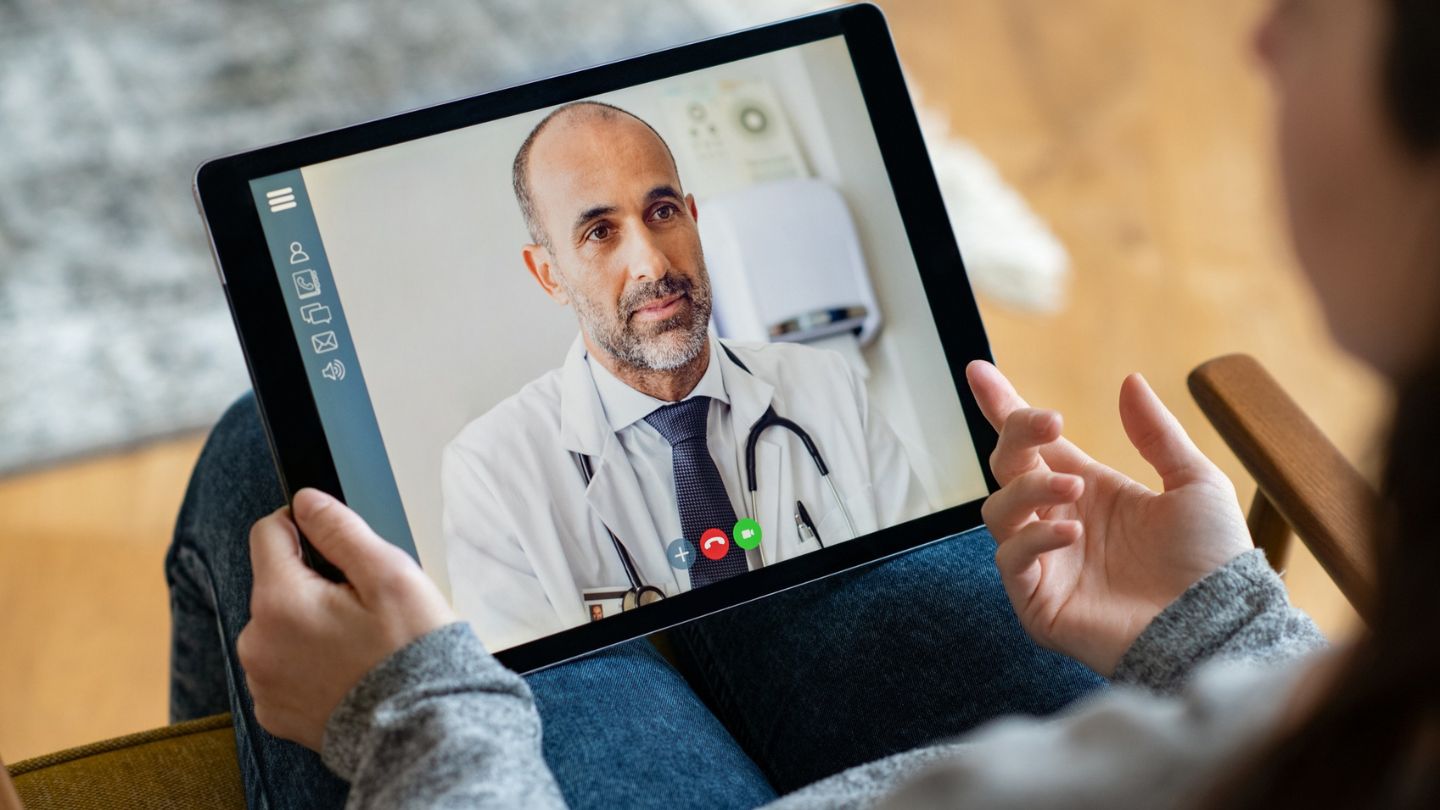
Comprehensive patient management systems track every interaction across multiple communication channels, building a complete picture of each patient’s engagement journey. These platforms enable automated workflow triggers, personalized message templates, and seamless handoffs between automated and human interactions.

Advanced CRM systems provide real-time dashboards showing follow-up completion rates, patient response patterns, and outcome metrics. This visibility enables continuous optimization of your patient follow-up protocol based on actual performance data.

AI-supported automation

Artificial intelligence enhances patient follow-ups through predictive analytics that identify which patients need proactive outreach based on risk factors, past behavior patterns, and clinical indicators. Smart routing systems prioritize high-risk cases for immediate attention while managing routine follow-ups through automated systems.

AI-powered tools can also suggest optimal contact timing, preferred communication channels, and personalized message content based on individual patient profiles and response history.

Analytics and reporting

Data analytics transform patient follow-up from an intuitive practice to an evidence-based strategy. Track conversion rates from inquiry to appointment, measure the impact of follow-up timing on patient satisfaction, and identify patterns in missed visits that suggest process improvements.

Regular reporting on key metrics like first-call resolution rates, patient retention percentages, and clinical outcome improvements demonstrates the ROI of your follow-up investments while guiding strategic decisions about program expansion or modification.

Integration with EMRs and scheduling software

Seamless integration between your call center systems and clinical software eliminates administrative burden while ensuring accuracy. When patient information flows automatically between systems, your team can focus on patient interaction rather than data entry.

Integrated systems also enable real-time updates to patient records, ensuring that clinical staff have immediate access to follow-up notes, patient concerns, and scheduled interventions.

Common Mistakes to Avoid

  • Inconsistent communication between the call center and clinical teams leads to confusion and care gaps; establish clear information-sharing protocols.
  • Over-reliance on automation can feel impersonal; balance automated workflows with human connection where it matters most.
  • Poor documentation of follow-up outcomes limits improvement; standardize and consistently record every interaction.
  • Generic scripts reduce engagement; train staff to personalize conversations while maintaining clinical accuracy.
  • Delayed follow-ups weaken intervention effectiveness; set and monitor precise timing expectations.
  • Ignoring patient feedback harms trust; create strong escalation pathways to address concerns quickly and thoroughly.

How a Professional Healthcare Call Center Partner Improves Outcomes

Expertise in patient engagement

Professional healthcare call center partners bring specialized knowledge in patient communications, clinical protocols, and healthcare compliance that takes years to develop internally. Trained medical call center specialists understand the nuances of healthcare interactions and can navigate complex patient situations with confidence and empathy.

Proven follow-up workflows developed through extensive healthcare experience ensure that your patients receive best-practice care coordination from day one, rather than learning through trial and error with internal teams.

24/7 or extended-hours coverage

Professional call center partners enable patient support beyond normal business hours, capturing leads and providing assistance when patients need it most. This extended availability particularly benefits working patients who cannot take calls during business hours and patients experiencing after-hours concerns about their care.

Technology + human support

Expert partners combine sophisticated CRM systems, automation tools, and analytics platforms with dedicated patient care coordinators who understand healthcare communication. This combination delivers operational efficiency without sacrificing the personal touch that patients value.

Advanced technology platforms integrate seamlessly with existing EMR and scheduling systems, while experienced staff provide the clinical judgment needed for complex patient interactions.

Better patient retention and satisfaction

Specialized teams ensure no patient falls through the cracks by maintaining consistent follow-up protocols, tracking patient engagement metrics, and proactively addressing potential issues before they become problems.

Professional healthcare call centers typically achieve higher patient satisfaction scores and better clinical outcomes because they focus exclusively on patient engagement excellence rather than managing it as a secondary responsibility alongside other operational tasks.

Strengthening Follow-Up for Better Patient Outcomes

Building an effective patient follow-up protocol requires strategic planning, consistent communication, and the right balance of automation and human connection. When healthcare call centers follow structured timelines, use personalized scripts, and escalate concerns appropriately, they create a dependable system that improves outcomes, boosts satisfaction, and enhances overall care quality.

At Guideway Care, we help healthcare organizations create seamless, proactive patient communication strategies through our specialized contact center services for healthcare. Our approach blends advanced technology with experienced patient engagement teams to support stronger follow-up workflows, reduce care gaps, and elevate the patient experience across the entire care journey. We also streamline appointment scheduling, insurance verification, and patient care coordination to ensure a more connected and efficient care process from start to finish. Take the next step with us; discover how our patient engagement solutions can strengthen your follow-up processes and transform your call center performance.


Why Nurseline Services Are Essential for Improving Patient Experience and Satisfaction

Why Nurseline Services Are Essential for Improving Patient Experience and Satisfaction

Patients today expect timely, clear, and compassionate support throughout their healthcare journey. Yet many organizations struggle to meet these rising expectations while managing growing call volumes and complex care demands. Access gaps, unanswered questions, and delayed guidance can leave patients feeling anxious and unsupported. Nurseline services offer a reliable, patient-centered solution to bridge these gaps and enhance overall care experiences. In this blog, we explore how these services significantly improve patient satisfaction and strengthen the connection between patients and their healthcare teams.

Key Takeaways

  • Nurseline services provide patients with immediate, 24/7 access to registered nurses, reducing anxiety, improving symptom management, and preventing unnecessary ER visits.
  • These services enhance patient understanding of care plans through clear education, proactive guidance, and consistent follow-up support.
  • Personalized, compassionate nurse interactions significantly boost patient trust, satisfaction, and overall care experience.
  • By handling routine questions, symptoms, and medication concerns, nurseline teams reduce the administrative and clinical burden on in-house staff.
  • Comprehensive documentation and seamless workflow integration strengthen care coordination, support value-based care goals, and improve organizational efficiency.
  • Healthcare organizations benefit from higher satisfaction scores, reduced burnout, improved communication, and more efficient use of clinical resources.

What Are Nurseline Services?

Nurseline services represent 24/7 RN-operated call centers that offer clinical guidance, nurse triage support, and comprehensive patient education. These services connect patients to licensed registered nurses who use standardized protocols like the Schmitt Thompson protocols to assess symptoms, provide evidence-based recommendations, and guide patients toward appropriate levels of care.

It’s important to clarify what nurseline services are not: they don’t replace emergency care for critical situations, serve as diagnostic tools, or substitute for comprehensive medical evaluations. Instead, they function as the first point of clinical contact for patients seeking guidance about symptoms, medication questions, or care navigation support.

Modern nurse line services integrate seamlessly with existing provider workflows, electronic health records, and care coordination teams. This integration ensures that patient encounter information flows back to primary care providers, specialists maintain continuity of patient care, and clinical decisions align with established treatment plans and chronic conditions management. Understanding the operational impact of nurseline services becomes clearer when considering the efficiency supported by the medical call center emergency triage process, which strengthens rapid symptom assessment and care routing.

The Growing Need for Nurseline Services in Today’s Healthcare Landscape

Healthcare organizations face unprecedented challenges that make nurseline services more critical than ever. Rising patient volumes, widespread staffing shortages, and increasing demands for care accessibility create pressure points that traditional office-based models struggle to address effectively.

Consumer expectations have fundamentally shifted toward on-demand communication across all service industries. Patients now expect same-day guidance for health concerns, just as they expect immediate responses from other service providers. This expectation extends beyond routine inquiries to include post-operative support, chronic disease management, and navigation of complex treatment protocols.

The growing prevalence of complex chronic conditions and multi-step surgical pathways requires ongoing patient education and emotional support that extends far beyond traditional appointment schedules. Patients managing diabetes, heart disease, cancer treatment, or recovery from major procedures need access to clinical guidance when questions arise—not just during scheduled visits. Recognizing the patient-access advantages provided by nurse-led call support aligns with the benefits demonstrated in the call center nurseline model, which enhances responsiveness for both patients and healthcare practices.

How Nurseline Services Improve Patient Experience

Immediate Access to Clinical Guidance

The most fundamental way nurseline services improve patient experience is by eliminating the frustration and anxiety that accompany health concerns outside regular office hours. When patients can speak directly to a qualified nurse within minutes rather than hours or days, their stress levels decrease significantly, and their confidence in the health care system increases.

This immediate access proves especially valuable for symptom concerns that feel urgent to patients but may not require emergency department visits. A nurse can provide professional clinical assessment, explain what symptoms warrant immediate attention versus those that can wait for office visits, and offer specific guidance for symptom management. This rapid access to medical knowledge helps patients make informed decisions rather than guessing about appropriate next steps.

The navigation benefits extend beyond symptom assessment to include medication questions, post-procedure instructions, and coordination with specialists. Instead of patients struggling to interpret complex medical information alone, nurses can provide real-time clarification and support that makes the entire health care experience more manageable and less overwhelming.

Better Understanding of Care Plans

Nurseline services excel at reinforcing and clarifying information that patients receive during appointments. Many patients leave medical visits feeling uncertain about instructions, medication changes, or follow-up requirements. Nurses can review these elements in detail, answer questions that arise after reflection, and ensure patients understand their active role in treatment success.

This educational component significantly improves treatment adherence and patient confidence. When patients receive consistent, clear explanations about their care plans, they’re more likely to follow recommendations, take medications correctly, and recognize signs that require medical attention. The result is improved patient outcomes and reduced likelihood of complications from misunderstood instructions.

The prevention of miscommunication represents another critical benefit. Rather than patients making assumptions about care instructions or trying to remember complex information from busy appointments, nurseline services provide a reliable resource for clarification and reinforcement of the same information across all interactions with the care team.

Personalized, Compassionate Interaction

Patients consistently value human connection, especially during stressful health situations. Nurseline services provide the personalized attention that patients often feel is missing from rushed office visits or impersonal automated systems. Nurses take time to listen to concerns, acknowledge patient anxiety, and provide reassurance based on clinical expertise.

This empathetic communication builds trust between patients and their broader healthcare organization. When patients feel heard and supported, their overall satisfaction with their health care experience increases substantially. The compassionate interaction extends beyond immediate symptom concerns to include lifestyle guidance, preventive care education, and emotional support during difficult health challenges.

The personalization aspect proves particularly valuable for patients with chronic conditions or complex medical histories. Nurses can access patient records, understand individual circumstances, and tailor their guidance to specific health situations rather than providing generic advice.

Reduction in Unnecessary ER Visits

Perhaps no aspect of nurseline services impacts patient experience more dramatically than helping patients avoid unnecessary emergency room visits. Emergency departments are expensive, time-consuming, and often stressful environments that patients would prefer to avoid when possible.

Through proper symptom triage, nurses can determine whether symptoms truly require emergency attention or can be appropriately managed through urgent care, office visits, or self-care measures. This guidance prevents patients from spending hours in emergency waiting rooms for issues that don’t require emergency intervention while ensuring that truly urgent situations receive immediate attention.

How Nurseline Services Improve Overall Patient Satisfaction

Enhanced Communication = Higher Satisfaction Scores

Communication quality consistently ranks as the top driver of patient satisfaction across all healthcare settings. Healthcare providers consistently see improved CAHPS scores and other satisfaction metrics when they implement comprehensive nurseline services that ensure patients never feel ignored or unsupported by their care teams.

The availability of nurseline services demonstrates organizational commitment to patient responsiveness—a key factor in patient loyalty and positive word-of-mouth recommendations. When patients know they can always reach qualified clinical guidance, their overall perception of their healthcare organization improves significantly, even when they don’t frequently use the service.

This enhanced communication extends to family members who often serve as caregivers or advocates for patients. Nurselines can provide support and education to family members, helping them better understand patient needs and participate more effectively in care coordination.

Consistent Follow-up and Proactive Support

Nurseline services enable healthcare organizations to provide systematic follow-up care that prevents complications and demonstrates ongoing concern for patient well-being. Scheduled check-in calls after procedures, medication changes, or hospital discharges help catch potential issues early while reassuring patients that their care team remains engaged in their recovery.

This proactive approach creates a feeling of continuous care rather than isolated appointment-based interactions. Patients appreciate knowing that their healthcare team is monitoring their progress and available to address concerns as they arise. The result is stronger patient engagement and higher levels of satisfaction with the overall health care experience.

The consistency of follow-up also supports quality metrics and accreditation requirements while providing valuable data about patient outcomes and satisfaction that can guide continuous improvement efforts.

Builds Trust Between Patients and Providers

Reliable access to clinical help strengthens the relationship between patients and their healthcare providers by demonstrating consistent availability and support. When patients know they can always reach qualified guidance, they develop greater confidence in their healthcare team and are more likely to remain loyal to their current providers.

This trust-building extends beyond immediate clinical needs to include navigation of complex healthcare systems, insurance questions, and coordination between multiple specialists. Nurseline services can serve as advocates for patients, helping them access needed services and understand their options within the broader health care system.

The improved trust translates directly into better patient retention, more positive online reviews, and an increased likelihood that patients will recommend the organization to friends and family members. These outcomes provide significant business value while supporting the primary goal of improved patient care.

Operational Benefits for Healthcare Organizations

Operational Benefits for Healthcare Organizations

Reduces Administrative Burden on In-House Staff

Nurseline services significantly reduce the volume of routine calls that front desk and clinical staff must handle during business hours. By managing after-hours inquiries, medication questions, and basic symptom concerns, Nurselines frees in-house team members to focus on higher-level tasks and direct patient-facing care activities.

This reduction in administrative burden allows healthcare organizations to operate more efficiently without expanding staff sizes. Front desk personnel can spend more time on scheduling appointments, insurance verification, and patient check-in processes, while clinical staff can focus on hands-on care rather than telephone triage and patient education calls.

Supports Staff Burnout Prevention

Healthcare staff burnout has reached crisis levels across the industry, with after-hours calls and constant interruptions contributing significantly to fatigue and job dissatisfaction. By offloading these responsibilities to specialized nurseline teams, organizations can create healthier work environments for their existing staff.

The reduction in after-hours call obligations allows clinical staff to maintain better work-life balance, which in turn reduces turnover rates and improves job satisfaction. Lower turnover saves substantial costs in recruitment, training, and temporary staffing while maintaining continuity of care for patients.

Improves Care Coordination and Documentation

Professional nurseline services provide structured telephone triage protocols, clear escalation procedures, and comprehensive encounter documentation that enhances overall care coordination. Each patient interaction is properly documented and integrated with existing medical records, ensuring that primary care providers have complete information about patient contacts and concerns.

This improved documentation supports quality metrics, risk management requirements, and regulatory compliance while providing valuable data about patient needs and satisfaction. The structured protocols ensure consistent care recommendations regardless of which nurse handles the call, reducing variability and improving patient safety.

Aligns with Value-Based Care Goals

Nurseline services directly support value-based care objectives by reducing preventable readmissions, improving patient engagement metrics, and enabling early intervention that prevents complications. These outcomes align with quality benchmarks and risk-sharing arrangements that increasingly define healthcare reimbursement models.

Through proactive patient education and support, nurseline services help patients achieve a better understanding of their conditions, improve adherence to treatment plans, and more appropriately utilize medical care. These factors contribute to improved health outcomes while controlling costs—the fundamental goal of value-based care models.

Bringing Patient Experience to the Next Level

Bringing Patient Experience to the Next Level

Nurseline services have become essential in modern healthcare, offering patients immediate access to clinical guidance, personalized support, and reassurance when they need it most. By reducing confusion, improving care navigation, and strengthening communication, these services play a vital role in elevating patient experience, trust, and satisfaction across all care settings.

At Guideway Care, we help organizations enhance patient engagement and strengthen care delivery through comprehensive nurseline services that support both patients and clinical teams. Our solutions are designed to improve responsiveness, streamline workflows, and create seamless experiences across every stage of the patient journey. We empower healthcare providers to deliver consistent, compassionate, and high-quality support around the clock. We also support chronic care management, healthcare CRM ERM integration, insurance verification, and patient care coordination to ensure every interaction is efficient and patient-centered. Take the next step with us. Discover how our tailored nurse communication and patient engagement solutions can transform your organization’s ability to deliver exceptional care.

How Does Nurse Triage Reduce After-Hours Workload for Providers

How Does Nurse Triage Reduce After-Hours Workload for Providers

Healthcare providers are facing unprecedented pressure from rising after-hours patient demands. Constant messages, late-night calls, and urgent concerns increasingly spill into personal time, fueling stress and burnout. Many practices struggle to balance patient access with clinician well-being while maintaining safe, high-quality care. Nurse triage has emerged as a practical, clinically sound solution to address this growing challenge. In this blog, we explore how structured triage services significantly reduce after-hours workload for providers.

Key Takeaways

  • Nurse triage significantly reduces after-hours provider workload by handling most routine patient concerns independently.
  • Only truly urgent or complex issues are escalated to providers, improving safety and reducing interruptions.
  • Standardized clinical protocols ensure consistent, high-quality assessments that minimize repeat outreach.
  • Technology integrations; EHR access, secure messaging, digital intake tools; further streamline triage efficiency.
  • When implemented with strong staffing, protocols, and quality oversight, nurse triage improves patient satisfaction while protecting provider well-being.

The After-Hours Problem in Healthcare

After-hours workload includes all patient interactions occurring outside regular clinic hours: calls, messages, medication questions, scheduling needs, and urgent administrative requests. As digital tools like patient portals and telehealth expand access, the volume of after-hours outreach has surged, creating a nonstop flow of communication that providers must manage.

This escalating demand significantly impacts clinicians. Constant interruptions erode personal time, increase stress, and contribute to widespread burnout, with many providers citing after-hours obligations as a key reason for leaving practice. The persistent cognitive load undermines decision-making, slows response times, and can lead to medical errors, while patients experience frustration and may turn to emergency rooms when timely guidance is unavailable.

Operationally, maintaining 24/7 coverage strains healthcare organizations. On-call rotations are difficult to staff, damage work relationships, and exceed budget limits, forcing compromises in access and quality. The need to balance patient access with provider well-being has made innovative workload management strategies, such as nurse triage, critical for sustainable, high-quality healthcare delivery.

What Is Nurse Triage?

What Is Nurse Triage?

Nurse triage is a clinical process in which trained registered nurses assess patient concerns, evaluate symptoms, and determine appropriate levels of care. Unlike basic call-answering services, triage nurses conduct structured assessments using telephone interviews, clinical protocols, and professional judgment to gather medical histories, evaluate symptoms, and establish urgency.

These nurses serve as the first point of clinical contact, providing comprehensive symptom evaluation, patient education, and guidance on whether issues require emergency intervention, urgent care, or routine follow-up. They coordinate referrals, support chronic disease management, and ensure patients receive the right care at the right time based on evidence-based protocols.

Modern telehealth tools, such as secure video, digital intake forms, symptom checkers, and EHR integration, have expanded triage capabilities and improved decision-making. The hallmark of professional nurse triage is clinician-led assessment: experienced nurses use critical thinking and medical expertise rather than scripted responses, ensuring safe, accurate evaluations that support patient safety and reduce provider liability.

How Nurse Triage Reduces After-Hours Workload

Reduces Volume of Calls Escalated to Providers

Nurse triage services dramatically reduce the number of patient calls that require direct provider attention. Experienced triage nurses handle the majority of routine patient concerns independently, using structured protocols and clinical expertise to provide safe, appropriate guidance without provider involvement.

Common patient calls that triage nurses manage independently include minor symptom evaluation for conditions like colds, minor injuries, or digestive issues. These situations often require reassurance, basic first aid guidance, or over-the-counter medication recommendations; areas where trained nurses excel. Medication education calls represent another significant category, where patients need clarification about dosing, side effects, or drug interactions that don’t require prescription changes. Recognizing how triage nurses streamline patient flow is supported by the structured approach used in the medical call center triage process, which reinforces consistency in handling diverse patient concerns.

Prioritizes Urgent Issues So Providers Focus on What Matters

When nurse triage escalates cases to providers, the process ensures only genuinely urgent or complex issues receive immediate attention. Triage nurses use standardized assessment protocols to identify red flag symptoms that indicate serious medical emergencies requiring prompt physician intervention.

The systematic approach to prioritization helps providers focus their limited after-hours availability on patients who truly need their expertise. Rather than sorting through mixed lists of urgent and routine concerns, providers receive pre-assessed, prioritized cases with comprehensive background information already collected by triage nurses.

Provides Consistent, Standardized Clinical Assessment

Professional nurse triage services utilize evidence-based protocols and standardized assessment tools to ensure consistent, high-quality patient evaluations. These structured approaches, such as Schmitt-Thompson telephone triage protocols, provide comprehensive decision trees for evaluating common symptoms and determining appropriate care recommendations.

Standardized protocols reduce variability in patient guidance and minimize the risk of important clinical information being overlooked during assessments. Triage nurses follow established questioning sequences that systematically evaluate symptom characteristics, associated risk factors, and patient medical history relevant to each clinical presentation.

Enhances Patient Satisfaction & Reduces Repeat Outreach

Timely, professional responses from trained triage nurses significantly improve patient experience and reduce the likelihood of repeated contact attempts. Patients appreciate receiving prompt attention from qualified healthcare professionals who can address their concerns with clinical expertise and empathy.

Comprehensive patient education during triage encounters helps patients understand their symptoms, manage their concerns effectively, and make informed decisions about seeking additional care. When patients receive detailed explanations and clear guidance, they feel more confident about their health status and are less likely to contact the practice repeatedly with the same concerns.

Technology and Nurse Triage

Technology and Nurse Triage

Technology greatly enhances the effectiveness of nurse triage by streamlining communication, improving clinical decision-making, and supporting efficient care coordination. Integrated platforms give triage nurses access to comprehensive patient data, structured documentation tools, and smooth handoff workflows that strengthen both accuracy and continuity of care.

Secure messaging systems enable HIPAA-compliant communication, allowing nurses to deliver written instructions, answer questions, and coordinate follow-up care safely. Decision-support tools, such as advanced symptom checkers and evidence-based clinical algorithms, standardize assessments while reinforcing clinical judgment, helping nurses confidently manage both routine and complex patient scenarios.

EHR integration, automated documentation, and digital intake forms further optimize triage workflows. Access to complete medical histories and medication lists supports safer and more informed recommendations, while automated note routing keeps providers aware of all patient interactions. Digital questionnaires ensure nurses begin each encounter with essential information already collected, enabling more focused and efficient clinical assessment.

Implementation and Best Practices: Key Points

Planning & Staffing

  • Effective nurse triage implementation requires intentional planning and alignment with existing workflows.
  • Adequate staffing is essential for 24/7 coverage; call volumes vary by time of day and season.
  • Registered nurses with telephone triage training and strong clinical assessment skills yield the best outcomes.

Protocol Development & Training

  • Standardized, evidence-based protocols ensure safe and consistent patient care.
  • Training should cover symptom assessment, communication techniques, documentation standards, and emergency escalation.
  • Ongoing education keeps triage nurses current with evolving best practices and updated clinical guidelines.

Integration with Patient Communication Channels

  • Triage should be accessible through phone, secure messaging, and patient portals to match patient preferences.
  • Seamless integration across channels ensures consistent service and reduces workflow gaps.

Feedback Loops & Quality Improvement

  • Regular provider–nurse case reviews strengthen clinical oversight and foster continuous quality improvement.
  • Tracking outcomes and reviewing difficult cases helps refine protocols and triage decision-making.

Technology Integration

  • Systems should integrate cleanly with EHRs, support secure communication, and automate documentation workflows.
  • Robust analytics capabilities enable monitoring of call volume, response times, and clinical outcomes for ongoing optimization.

Quality Assurance

  • Monitoring call handling times, escalation rates, satisfaction scores, and clinical outcomes ensures consistent service quality.
  • QA programs demonstrate the value of triage investments and maintain high performance standards.

Final Thoughts

Nurse triage plays a pivotal role in easing the growing strain on clinicians by filtering routine patient concerns, escalating only urgent issues, and ensuring consistent, high-quality assessments. By reducing unnecessary interruptions and improving patient guidance, it meaningfully lowers the after-hours workload for providers while enhancing safety and satisfaction.

At Guideway Care, we help healthcare organizations streamline operations through our comprehensive after-hours nurse triage services. Our solutions empower practices to improve patient access, reduce provider burden, and maintain high-quality care even during off-hours. We offer the tools and expertise needed to create a more efficient, patient-centered workflow. We also support healthcare ERM CRM integration, insurance verification, and patient care coordination to strengthen every step of the patient journey. Take the next step with us. Discover how our triage, communication, and patient engagement solutions can transform your care delivery workflow.

What Is Nurse Triage and How Can It Benefit Your Practice

What Is Nurse Triage and How Can It Benefit Your Practice

Nurse triage has become an essential component of modern healthcare, helping practices manage increasing patient demands while protecting clinical resources. As more patients seek immediate guidance for symptoms, medications, and urgent concerns, practices must find safe and efficient ways to provide timely support. Trained triage nurses play a crucial role in improving patient outcomes, reducing administrative burden, and enhancing overall care quality. Their expertise ensures patients receive the right level of care at the right time, strengthening both safety and satisfaction. In this blog, we’ll explore how nurse triage works and the powerful benefits it brings to medical practices.

Key Takeaways

  • Nurse triage provides clinically accurate symptom assessment using evidence-based protocols, ensuring patients receive safe, timely guidance that administrative staff cannot provide.
  • Medical practices reduce call volume and workflow disruptions by routing all symptom-related inquiries to trained nurses, improving provider efficiency and lowering burnout.
  • Triage nurses enhance appointment scheduling accuracy, ensuring patients are booked based on clinical urgency rather than guesswork, leading to better resource utilization.
  • Outsourced nurse triage services offer cost-effective 24/7 coverage, eliminating the need for practices to recruit, train, and staff internal triage teams.
  • Improved patient satisfaction and retention result from prompt clinical support, strengthening practice reputation and contributing to sustained growth.

What Is Nurse Triage?

Nurse triage is a clinical assessment process performed by trained registered nurses who use evidence-based protocols to evaluate patient symptoms, determine urgency, and recommend the appropriate level of care. Unlike call center or front office staff, triage nurses have the clinical expertise required to assess medical concerns safely and accurately.

This process involves gathering detailed symptoms and medical history, applying standardized decision-making tools, and directing patients toward self-care, routine appointments, urgent care, or emergency services. These protocols ensure consistent, defensible, and safety-focused clinical recommendations.

Medical practices can implement nurse triage through in-house staff, outsourced clinical call centers, or hybrid models. In-house teams offer personalized care but require significant resources, while outsourced services provide 24/7 coverage without operational burden. Regardless of the model, triage nurses differ from administrative staff in their ability to clinically assess symptoms and guide appropriate next steps.

Why Nurse Triage Matters in Today’s Healthcare Environment

  • Patient volume continues to rise while clinical staffing remains limited, increasing pressure on practices to manage more calls and medical inquiries with fewer resources.
  • Modern patients expect rapid access to clinical guidance, especially during evenings and weekends, yet many practices lack reliable systems for after-hours support.
  • Inadequate triage processes lead patients to seek care in inappropriate settings, driving up healthcare costs and reducing overall satisfaction.
  • Ongoing staffing shortages leave front office teams overwhelmed by symptom-related questions they are not trained or legally qualified to assess, creating safety and liability risks.
  • Providers face constant workflow disruptions when clinical calls aren’t structured, reducing efficiency, increasing burnout, and limiting time available for direct patient care.
  • Rising medicolegal risk and documentation requirements make standardized, professional symptom assessment essential for protecting both patients and healthcare practices.

How Nurse Triage Works (Step-by-Step)

  • Patient contacts the service via phone, patient portal message, SMS, or call center; contact details and reason for the call are recorded.
  • Initial verification;  triage nurse confirms patient identity, location, and basic demographics to ensure safe follow-up and possible emergency dispatch.
  • Chief complaint capture;  nurse asks the patient to describe the primary symptom or concern in their own words.
  • Systematic symptom history;  using structured questioning, the nurse collects onset, severity, duration, associated symptoms, and relevant medical history.
  • Risk assessment & red-flag screening;  nurse runs targeted questions from evidence-based protocols to identify urgent or life-threatening signs.
  • Clinical decision using protocols;  the nurse applies standardized algorithms to determine urgency and appropriate disposition.
  • Care recommendation & instructions;  nurse provides tailored guidance: home care steps, urgent care referral, same-day appointment scheduling, or immediate ED transfer.
  • Escalation if needed;  for emergencies or unclear cases, the nurse activates emergency services or consults an on-call clinician.
  • Documentation & communication;  the entire encounter, assessment, and disposition are documented and transmitted to the practice EHR or via secure messaging.
  • Follow-up & continuity;  nurse advises on expected course, warning signs, and recommended follow-up; some services offer outbound follow-up checks if required.

Key Benefits of Nurse Triage for Your Practice

Improved Patient Safety & Better Clinical Outcomes

When qualified registered nurses handle symptom assessment calls, the quality and consistency of clinical guidance improve dramatically compared to advice provided by non-clinical staff. Trained triage nurses follow evidence-based protocols designed to identify serious conditions early and ensure appropriate medical care is accessed promptly.

This professional assessment capability helps prevent medical errors that can occur when untrained personnel attempt to provide clinical guidance. Triage nurses understand the importance of identifying red flag symptoms that require immediate attention while also recognizing when patients can safely manage conditions at home with proper education and monitoring instructions. Understanding how medical call centers support clinical decision-making becomes clearer when considering the role of the medical call center emergency triage process, which enhances timely assessment and appropriate care routing.

Reduced Call Burden on Front Office and Providers

One of the most immediate benefits experienced by practices with nurse triage is the significant reduction in clinical calls handled by front office staff and direct interruptions to physicians and nurse practitioners. Administrative teams can focus on scheduling, billing, and other non-clinical functions while trained nurses manage all symptom-related inquiries.

This separation of clinical and administrative functions improves efficiency throughout the practice. Physicians and other providers can concentrate on direct patient care without constant interruptions from phone calls requiring clinical assessment. The result is improved productivity and reduced burnout among clinical staff who previously managed both in-person patients and telephone consultations simultaneously.

More Efficient Appointment Scheduling

Nurse triage services dramatically improve appointment scheduling efficiency by ensuring patients are routed to the right type of visit based on clinical need rather than patient preference or on a first-come, first-served basis. Triage nurses can determine whether patients need same-day urgent appointments, routine follow-up visits, virtual consultations, or care in other settings entirely.

This clinical assessment before scheduling reduces inappropriate bookings and helps optimize provider schedules for maximum efficiency. Same-day appointment slots can be reserved for patients with genuine urgent needs, while routine concerns are scheduled appropriately into future availability.

Increased Patient Satisfaction & Loyalty

Patients consistently report higher satisfaction when they receive immediate attention from qualified clinical professionals, even for after-hours concerns. The ability to speak with a registered nurse who can provide expert guidance creates confidence and reduces anxiety associated with medical symptoms and health concerns.

Professional clinical support builds trust between patients and the practice, demonstrating commitment to patient care that extends beyond traditional office hours. This enhanced responsiveness strengthens the patient-provider relationship and often leads to increased loyalty and positive word-of-mouth referrals.

Better Care Coordination & Documentation

Every nurse triage interaction is thoroughly documented and integrated into the patient’s medical record, providing comprehensive documentation of all clinical assessments and recommendations. This detailed record-keeping creates a valuable “paper trail” that supports continuity of care and meets medicolegal documentation requirements.

The structured documentation provided by triage nurses includes symptom details, assessment findings, recommendations given, and any follow-up instructions provided to the patient. This information helps primary care providers understand patient concerns and any interventions that have already been recommended.

Cost Savings for the Practice

Implementing nurse triage services often costs significantly less than hiring and training additional clinical staff to handle increased call volumes. Practices avoid expenses associated with recruiting, onboarding, benefits, and ongoing supervision of additional internal nursing staff while still receiving professional clinical support.

The service helps reduce unnecessary emergency room visits, which provides cost savings for both patients and provider groups participating in value-based care arrangements. When patients receive appropriate guidance about where to seek care, overall healthcare costs decrease while satisfaction improves.

24/7 Availability Without Expanding Staff

24/7 Availability Without Expanding Staff

Round-the-clock clinical support becomes accessible without the significant expense of maintaining on-call physicians or paying overtime to internal nursing staff. Patients receive professional guidance whenever they need it, while practices avoid the complexity and cost of 24-hour staffing models.

This continuous availability proves particularly beneficial for primary care practices, specialists with high-acuity patient populations, and multi-location medical groups. Specialties such as bariatrics, orthopedics, neurology, and cardiology often have patients with complex post-procedural needs that benefit from immediate access to clinical guidance.

Who Benefits Most from Nurse Triage?

  • Busy clinics with high call volumes gain immediate relief from managing large numbers of daily patient inquiries related to symptoms, medications, and care decisions.
  • Bariatric and surgical practices benefit greatly, as their post-operative patients often need ongoing, clinically informed guidance
  • Specialty clinics such as oncology, cardiology, neurology, and orthopedics rely on triage nurses to address complex, condition-specific questions that administrative staff are not equipped to handle.
  • Multi-site medical groups and health systems can centralize clinical communication, ensuring consistent triage quality, documentation, and patient experience across all locations.
  • Practices facing nurse shortages or long patient wait times find triage services a fast, effective solution that supports patient retention without the delays of hiring and training new clinical staff.

In-House vs. Outsourced Nurse Triage: What’s the Difference?

Choosing between in-house and outsourced nurse triage largely comes down to cost, staffing flexibility, and operational complexity. In-house triage requires recruiting, hiring, and training registered nurses, along with managing ongoing education, protocol updates, scheduling, and quality assurance. Practices must maintain enough staff to cover vacations, sick leave, and after-hours needs, making 24/7 coverage costly and difficult. Building internal systems for documentation, call reporting, and analytics also requires significant investment.

Outsourced nurse triage services, by contrast, offer a cost-effective and scalable alternative. These services eliminate hiring and training expenses while providing immediate access to fully trained clinical teams that follow evidence-based protocols. Outsourced models deliver built-in 24/7 coverage, standardized documentation, call analytics, and quality monitoring without additional operational burden on the practice. Many organizations choose partners for their reliability, healthcare expertise, and ability to seamlessly support patient engagement across diverse practice settings.

How Nurse Triage Enhances Practice Growth

How Nurse Triage Enhances Practice Growth

Nurse triage enhances practice growth by improving patient access and turning more inquiries into scheduled appointments and long-term patient relationships. When patients can reach qualified clinical professionals quickly, they gain confidence in the practice’s responsiveness and expertise. This strong first impression is especially valuable for new or prospective patients, who are more likely to choose and stay with a practice that provides immediate, clinically informed support instead of administrative answers.

As patient experiences improve, so does the practice’s reputation. Consistent, high-quality communication from triage nurses leads to better satisfaction scores, stronger online reviews, and more word-of-mouth referrals. This positive momentum increases patient loyalty, reduces attrition, and supports ongoing growth. Patients who feel heard and supported are far less likely to seek care elsewhere, ensuring stable revenue and a thriving, patient-centered practice.

Final Thoughts on Nurse Triage

Nurse triage plays a critical role in modern healthcare by improving patient safety, reducing provider workload, and ensuring patients receive timely, clinically accurate guidance. With rising patient demands and limited clinical resources, structured triage systems help practices enhance efficiency, strengthen care coordination, and deliver a more responsive patient experience.

As your practice looks to improve patient access and streamline clinical communication, Guideway Care offers a comprehensive nurse triage answering service designed to support growth, enhance patient satisfaction, and reduce operational strain. Our team provides seamless clinical guidance, efficient call handling, and reliable after-hours support tailored to your specialty and workflow needs. Empowering practices with stronger healthcare ERM CRM integration, more accurate insurance verification, and improved patient care coordination strengthens every step of the patient journey. Ready to elevate your clinical support? Explore how our triage solutions, digital engagement tools, and patient management services can help your practice operate more efficiently and deliver exceptional care.

Measuring the Impact of Multilingual Support on Patient Satisfaction

Measuring the Impact of Multilingual Support on Patient Satisfaction

In today’s increasingly diverse healthcare landscape, effective communication is more than a courtesy, it’s a cornerstone of quality care. As patient populations become more linguistically and culturally varied, healthcare providers face growing challenges in ensuring that every patient fully understands their diagnosis, treatment options, and care instructions. Language barriers can lead to frustration, anxiety, and even medical errors, ultimately diminishing patient satisfaction and outcomes.  

This blog explores how multilingual support can transform the patient experience by fostering clear communication, building trust, and improving overall care quality. We’ll examine measurable ways to assess its impact, from patient satisfaction surveys to real-world case studies, and highlight how healthcare organizations are successfully bridging language gaps. By understanding the profound role of multilingual services, healthcare providers can create a more inclusive environment that ensures every patient, regardless of language proficiency, receives the high-quality care they deserve.  

Key Takeaways

  • Multilingual support in healthcare is essential for improving patient satisfaction, reducing misunderstandings, and fostering trust, particularly among patients with limited English proficiency.
  • Effective communication in a patient’s preferred language minimizes the risk of medical errors and enhances adherence to treatment plans, leading to better health outcomes.
  • Regularly measuring patient satisfaction through multilingual surveys and feedback is crucial for refining multilingual support services and ensuring high standards of care.

The Importance of Multilingual Support in Healthcare

A significant portion of the U.S. population struggles with English proficiency, which creates substantial barriers to accessing healthcare services. Approximately 26 million adults in the U.S. have limited English proficiency, making it challenging for healthcare providers to deliver effective care. These language barriers can lead to misunderstandings, misdiagnoses, and ultimately poorer health outcomes. Health education and multilingual support are therefore not just a convenience but a necessity for ensuring that all patients receive the care they need.

Providing care in a patient’s preferred language significantly enhances communication, reduces misunderstandings, and fosters a sense of inclusion and trust. For instance, Spanish-speaking patients often feel more comfortable and understood when interacting with healthcare providers who speak their language. This level of comfort can lead to better adherence to treatment plans and more accurate reporting of symptoms, ultimately resulting in better health outcomes.

Healthcare organizations can utilize a variety of strategies to overcome healthcare language barriers, including:

  • Hiring bilingual staff
  • Using professional interpreters
  • Employing a bilingual nurse and other healthcare workers to bridge communication gaps and ensure patients fully understand their diagnoses and treatment options
  • Training medical professionals in basic medical language to enhance communication with non-English speaking patients in healthcare institutions.

Compliance with federal requirements also necessitates the provision of providing language access services. Comprehensive language access programs not only protect healthcare providers from discrimination lawsuits and regulatory penalties but also ensure that patients with limited English proficiency receive the necessary care.

Addressing these language barriers allows healthcare providers to significantly improve patient satisfaction, foster inclusion, and enhance patient care quality.

Enhancing Patient Communication and Understanding

Enhancing Patient Communication and Understanding

Clear communication is the cornerstone of effective healthcare delivery. When patients receive information in their preferred language, misunderstandings are significantly reduced, which in turn decreases the likelihood of medical errors. For example, health communication regarding medication usage or post-surgery care instructions increases the likelihood of correct adherence, preventing potentially dangerous mistakes.

Patients with limited English proficiency often experience anxiety when discussing their health concerns in a non-native language. This anxiety can hinder effective communication, leading to incomplete or inaccurate medical histories and poor adherence to treatment plans. Providing care in a patient’s native language not only alleviates this anxiety but also increases their active participation in treatment and health management.

Regularly analyzing patient feedback can reveal critical insights into how language barriers affect patient experiences. Surveys that include multilingual options can capture a more accurate picture of patient satisfaction and areas needing improvement. This feedback is invaluable for healthcare providers to continuously refine their multilingual support services, ensuring that clear and effective communication remains a priority in all patient interactions.

Building Trust through Language Concordance

Trust is a vital component of the patient-provider relationship, and language concordance plays a significant role in building this trust. When healthcare providers communicate in a patient’s native language, it fosters a sense of comfort and respect, making patients feel valued and understood. This trust is particularly evident among Spanish-speaking patients who report higher levels of trust when interacting with Spanish-speaking providers.

Cultural understanding, gained through multilingual support, enhances the personalization of patient care. Providers who understand the cultural context of their patients’ lives can offer more tailored and effective treatments. This cultural sensitivity, combined with language concordance, leads to better patient engagement and higher satisfaction compared to encounters using ad hoc interpreters.

Successful case studies demonstrate the profound impact of multilingual support on patient trust and care quality. For instance, patients who feel comfortable discussing sensitive topics in their preferred language are more likely to adhere to treatment recommendations. These positive patient experiences underline the importance of effective multilingual communication in healthcare settings.

Many healthcare organizations have recognized that having multilingual call center services allows them to maintain this trust even beyond in-person visits. These services ensure that patients can access care and communicate their needs effectively at any stage of their health journey. The growing emphasis on multilingual call centers for healthcare further supports this shift toward inclusive and patient-centered communication.

Read More: Bridging the Language Gap: Why Spanish Medical Call Centers Are Vital for U.S. Healthcare?

Measuring Patient Satisfaction with Multilingual Services

Measuring patient satisfaction with multilingual services is crucial for ensuring that these services are effective and continuously improving. Various methods, such as structured surveys and feedback forms, are essential tools for evaluating how well healthcare providers are meeting the needs of their diverse patient populations.

These assessments help identify areas for improvement and ensure that multilingual support is enhancing patient satisfaction and care quality.

Read More: How to Measure Patient Satisfaction in Healthcare

Patient Surveys and Feedback

Patient surveys and feedback are indispensable for healthcare organizations aiming to gauge the effectiveness of their multilingual support services. These surveys can capture patients’ perceptions of the language services provided, highlighting areas that need improvement and those that are working well. Understanding patient experiences enables healthcare providers to make informed decisions to enhance their multilingual support.

For instance, feedback from Spanish-speaking patients can reveal insights into how well the language services are meeting their needs and where adjustments might be necessary. This continuous loop of feedback and improvement is crucial for maintaining high standards of care and ensuring that all Spanish speakers feel understood and respected.

An essential aspect of patient feedback is its role in improving patient satisfaction and care quality. Actively seeking and incorporating patient feedback allows healthcare organizations to make targeted improvements that enhance the patient experience. This proactive approach not only addresses current issues but also anticipates future needs, ensuring that multilingual support remains effective and relevant.

Consistent evaluation and improvement strategies are a proven way to improve patient satisfaction in hospitals, especially when supported by multilingual programs that help patients feel heard and understood.

Read More: Your Quick and Simple Guide on How to Improve Patient Satisfaction in Hospitals

Analyzing Patient Satisfaction Scores

Effective language services have been shown to improve patient satisfaction scores. Analyzing trends in these scores helps healthcare providers identify specific areas needing enhancement in their multilingual support. This statistical analysis is crucial for making data-driven decisions that improve patient care and satisfaction.

For example, if patient satisfaction scores reveal consistent issues with communication during medical visits, healthcare organizations can focus on improving their interpreter services or training staff in cultural competence. This iterative process ensures that multilingual support continues to evolve and meet the needs of diverse patient populations effectively.

A deeper understanding of the importance of patient satisfaction and how to improve it reveals that clear communication in a patient’s native language is one of the most significant contributors to overall satisfaction and positive care outcomes.

Case Studies and Real-World Examples

One compelling case study highlighted a significant increase in patient satisfaction scores after implementing a multilingual helpline. This initiative provided patients with 24/7 access to interpreter service via phone and video, ensuring that language barriers did not impede their access to care. The result was a notable improvement in patient satisfaction and care quality.

Other successful multilingual support initiatives include multilingual text messaging for appointment reminders and AI tools for real-time translation. These technologies have been linked to increased patient and provider satisfaction, demonstrating their multilingual capabilities in overcoming language barriers and ensuring everyone speaks the same language.

The adoption of online translation tools in healthcare settings has also led to measurable improvements in patient care and satisfaction. These tools enhance communication, reduce misunderstandings, and ensure that patients receive accurate information about their health and treatment options.

These real-world examples underscore the importance and effectiveness of multilingual support in healthcare.

Read More: How a Patient Access Call Center Improves 24/7 Care and Patient Satisfaction

Impact on Health Outcomes and Patient Safety

Impact on Health Outcomes and Patient Safety

Language barriers can have severe consequences on patient safety and health outcomes. Misunderstandings in medication usage, for instance, can lead to dangerous dosing errors or adverse drug events. These communication barriers increase the likelihood of medical errors, posing significant risks to patient safety.

Receiving care in a patient’s preferred language leads to a better understanding of conditions and treatment plans, which in turn improves health outcomes. Patients who comprehend their medical instructions are more likely to adhere to treatment regimens and follow preventive measures, ultimately leading to better health outcomes. Language assistance is therefore vital for ensuring patient safety and effective healthcare delivery, as it helps bridge communication gaps in the patient’s language.

Multilingual patient support not only reduces the risk of medical errors but also enhances overall patient engagement and compliance. Patients who feel understood and respected are more likely to trust their healthcare providers and actively participate in their own care. Trust and engagement play a vital role in achieving improved health outcomes. They are also essential for ensuring patient safety.

Overall, multilingual support in healthcare settings leads to improved patient safety, better health outcomes, and enhanced patient satisfaction. Addressing language barriers ensures that all patients receive the quality care they deserve, regardless of their language proficiency.

Read More: Understanding the Difference Between Patient Satisfaction vs. Patient Experience

Overcoming Challenges in Providing Multilingual Support

Providing multilingual support in healthcare comes with its own set of challenges, including financial constraints, insufficient training, and a lack of resources. However, addressing these challenges is essential for ensuring that patients receive care in their preferred language and for improving overall patient satisfaction.

Strategies such as:

  • Securing funding
  • Providing cultural competency training
  • Leveraging technology can help healthcare organizations overcome these obstacles and deliver effective multilingual support.

Resource Allocation and Funding

Healthcare organizations often face budget strains when trying to provide effective multilingual support. The costs associated with interpreter services and professional interpretation services can be substantial, making it challenging to allocate the necessary resources. However, securing adequate funding is essential for enhancing and maintaining these services.

Allocating resources for multilingual support ultimately leads to improved patient satisfaction and higher care quality. Investing in these services ensures that all patients, including migrant and refugee families, have access to the care they need, regardless of language barriers. This investment not only improves patient outcomes but also enhances the overall effectiveness of the healthcare system.

Training Healthcare Staff

Cultural competency training is crucial for healthcare providers to effectively communicate with diverse patient populations. Key aspects include:

  • Understanding the cultural context of patients’ lives to offer more personalized and effective treatments.
  • Training healthcare staff in cultural competence.
  • Training healthcare staff in second languages to improve care for limited English proficient (LEP) patients.

Effective patient surveys should also be designed in multiple languages to accurately capture feedback from diverse patient populations. This approach ensures that healthcare providers serve diverse patient populations by receiving comprehensive insights into patient experiences and can make informed decisions to enhance multilingual support and overall patient care.

Read More: How To Increase Patient Engagement with Patient Portals

Leveraging Technology for Multilingual Communication

Advancements in technology offer promising solutions for enhancing multilingual communication in healthcare. These include:

  • AI-driven translation tools that improve communication with limited English proficient patients.
  • Workflow automation that reduces costs and improves workflow efficiency.
  • Integration of these tools into Electronic Health Records (EHRs) and patient scheduling systems to help healthcare providers communicate effectively with multilingual patients.

AI-powered clinical documentation tools can translate and write notes in multiple languages, enhancing communication with diverse patient populations. These tools ensure that patients receive accurate and understandable information about their health and treatment options, improving overall care quality.

Healthcare providers are increasingly using agentic AI platforms. These tools help improve communication with diverse patient populations. These platforms offer scalable multilingual support, ensuring culturally sensitive interactions and enhancing patient satisfaction.

Final Thoughts

Providing multilingual support in healthcare is vital for bridging communication gaps, improving patient satisfaction, and ensuring equitable access to quality care. When patients receive care in their preferred language, it enhances understanding, builds trust, and reduces the risk of medical errors. By integrating language access services, healthcare organizations can deliver safer, more inclusive, and higher-quality care to diverse patient populations. Measuring patient satisfaction, analyzing feedback, and implementing continuous improvements are key to sustaining these positive outcomes in the long term.

Guideway Care, one of the leading medical call center companies, exemplifies how technology-driven solutions can enhance communication and patient engagement across healthcare systems. Through its innovative services, including medical health website design, digital marketing, advertising, and healthcare CRM and EMR integration, we empower providers to connect with patients more effectively, streamline care coordination, and deliver multilingual support with efficiency and compassion. By combining advanced communication tools with patient-centered strategies, we empower to set the standard for improving patient satisfaction, engagement, and health outcomes in an increasingly diverse healthcare environment.

Why Patient Data Privacy is Crucial for Healthcare Call Centers

Why Patient Data Privacy is Crucial for Healthcare Call Centers

In today’s rapidly evolving healthcare landscape, patient data privacy has become more critical than ever, especially for healthcare call centers that serve as the frontline of patient communication. These call centers handle vast amounts of sensitive health information daily, making them prime targets for data breaches if proper safeguards aren’t in place. Protecting patient data is not only a regulatory requirement under HIPAA but also a vital element in building trust, maintaining compliance, and ensuring high-quality patient care.   

When patients share their personal health details, they entrust healthcare providers with their most private information. Any lapse in data protection can lead to severe consequences, from identity theft to loss of trust and reputational damage. This is why healthcare call centers must implement robust privacy and security measures, ensuring every interaction is handled with confidentiality, compassion, and compliance. This blog explores why patient data privacy is essential for healthcare call centers, the impact of HIPAA compliance, and the best practices that help maintain secure and trustworthy patient communications.

Key Takeaways

  • Patient data privacy is essential for building trust and maintaining long-term relationships in healthcare call centers, necessitating strict security measures to prevent data breaches.
  • Compliance with HIPAA regulations is mandatory for healthcare call centers, which involves implementing technical safeguards, staff training, and secure communication practices to protect patient information.
  • Outsourcing to HIPAA-compliant call centers can enhance operational efficiency by providing secure patient interactions, reducing risks of data breaches, and ensuring superior patient care.

The Importance of Patient Data Privacy in Healthcare Call Centers

Patient data privacy forms the bedrock of trust in healthcare call centers. When patients share their most sensitive details, they expect their personal health information to be handled with the utmost care and security. This trust is not merely a contractual obligation but a moral one that healthcare providers must uphold to foster long-term relationships and ensure patient satisfaction. Additionally, the management of healthcare data is crucial in maintaining this trust.

The implications of mishandling sensitive patient information are severe. From identity theft to reputational damage, the consequences can be far-reaching. Healthcare call centers must implement stringent data security protocols to prevent unauthorized access and data breaches, thereby maintaining the integrity of patient information. This involves not only technical safeguards but also a culture of compliance and vigilance.

Proactive measures and strong governance strategies enhance privacy protection in healthcare settings. Key best practices include:

  • Adhering to HIPAA compliance
  • Expert call handling
  • Compassionate communication

These data protection practices significantly reduce data breach risks and improve patient trust. They not only protect patient information but also contribute to a positive reputation and operational stability.

Maintaining robust call center security remains fundamental to protecting patient data. Strong authentication controls, continuous monitoring, and regular audits are key components of effective medical call center security, ensuring that sensitive data remains safe from internal and external threats.

Compliance with HIPAA in Healthcare Call Centers

Compliance with the Health Insurance Portability and Accountability Act (HIPAA) is non-negotiable for healthcare call centers. Established in 1996, HIPAA sets national standards for safeguarding patient health information, ensuring that sensitive data is protected from unauthorized access and breaches. For call centers, this means implementing both physical and technical safeguards to comply with the HIPAA Security Rule, HIPAA rules, and Breach Notification Rule.

Healthcare call centers must operate within the framework of the minimum necessary standard, which limits access to essential data only. This is crucial for protecting patient privacy and ensuring that sensitive patient information is not disclosed beyond the terms of their agreements. Moreover, business associates, including call centers, are liable for breaches of protected health information (PHI) due to non-compliance with HIPAA, facing severe penalties and reputational damage.

Achieving HIPAA compliance requires integrating:

  • Technology, policies, and staff training, which includes the need to conduct regular HIPAA training
  • Call center HIPAA-compliant software that logs interactions, safeguards data, and supports escalation workflows
  • Monitoring communication on secure networks to prevent unauthorized access and keep patient data protected

Adhering to these guidelines helps mitigate risks and maintain patient trust.

Building Trust with Patients

Building Trust with Patients

Trust is the cornerstone of any successful patient-provider relationship. For healthcare call centers, secure handling of patient data is crucial. Mishandling sensitive information can lead to severe consequences, including identity theft and loss of trust, harming a provider’s reputation. Data privacy is not just regulatory; it’s fundamental to patient care.

Effective communication in healthcare call centers plays a pivotal role in fostering trust and enhancing patient and customer satisfaction. Adopting a compassionate, patient-centric approach helps call centers create positive patient interactions and increase patient loyalty. Providing accurate, empathetic, and secure communication during calls ensures concerns are addressed promptly and confidentially.

Proactively safeguarding health data builds a positive reputation, increasing customer loyalty and operational stability. When patients feel their information is protected, they are more likely to share medical history, facilitating better care. Prioritizing data security significantly enhances patient trust and satisfaction.

Preventing Data Breaches

In the healthcare sector, data breaches are alarmingly common and costly. With an average data breach costing around $10.1 million, the financial and reputational damage can be devastating. Preventing data breaches is a critical priority for healthcare call centers. This involves implementing robust security measures to limit access to sensitive data and upgrading outdated technology to close vulnerabilities.

One effective strategy to prevent data breaches is network segmentation, which involves dividing an organization’s network into smaller, controlled subnetworks. This limits unauthorized access and enhances data security. Additionally, outsourcing to HIPAA-compliant call centers can significantly reduce the risk of data breaches. These call centers employ secure handling of patient information, ensuring that sensitive data is protected at all times.

Limiting access to patient data is another crucial measure. Key actions include:

  • Ensuring only authorized personnel have access to sensitive information to minimize the risk of data breaches.
  • Implementing strict access controls.
  • Regularly updating security protocols to address emerging threats.

These steps help safeguard patient information and maintain data integrity through effective data management.

Properly structured data systems play an essential role in minimizing risk. Consistent organization and timely updates of patient records, key indicators of organized medical contact center data, are fundamental in maintaining compliance and avoiding costly breaches.

Enhancing Operational Efficiency

Operational efficiency is a key driver of success for healthcare call centers. By maintaining data integrity and ensuring HIPAA compliance, call centers can streamline their operations and improve service quality. Dedicated medical call centers improve patient scheduling by handling routine tasks. These tasks include appointment scheduling, prescription refills, and billing inquiries, which allow healthcare providers to concentrate on patient care.

Establishing clear protocols for urgent and non-urgent calls ensures that emergencies receive immediate attention, while non-urgent calls are managed efficiently. This not only improves the overall patient experience but also enhances the efficiency of call center operations. Conducting regular audits helps healthcare organizations identify inefficiencies in billing and operational processes, further contributing to operational efficiency.

Outsourcing to HIPAA-compliant call centers offers flexible solutions that adjust to varying call volumes and organizational growth. By converting fixed operational costs into variable ones, healthcare organizations can better allocate their financial resources and achieve greater operational efficiency.

Evaluating call data and workflow trends plays a key role in optimizing performance. Detailed healthcare call center data analysis helps identify communication bottlenecks and improve overall response times, directly enhancing patient satisfaction and service outcomes.

Read More: How to Analyze Healthcare Call Center Data to Improve Efficiency?

Key Components of a Secure Healthcare Call Center

Key Components of a Secure Healthcare Call Center

Creating a secure healthcare call center involves a multi-faceted approach that encompasses physical security measures, network and data security, and secure call handling protocols. Each component plays a crucial role in protecting sensitive patient information and ensuring compliance with HIPAA regulations.

Physical security measures are essential for safeguarding patient data from unauthorized access. This includes:

  • Implementing restricted access to sensitive areas
  • Using locked file cabinets
  • Ensuring that computer screens displaying patient information are shielded from unauthorized view, while adhering to security practices.

Network and data security measures, such as real-time monitoring and multi-factor authentication, further enhance data protection by preventing unauthorized access and security breaches. Secure call handling protocols, including identity verification and detailed call documentation, ensure that patient interactions are conducted confidentially and securely.

Physical Security Measures

Physical security measures are the first line of defense in protecting sensitive patient data in healthcare call centers. Surveillance of entry points deters unauthorized access and enhances security. Restricting access to sensitive areas minimizes the risk of unauthorized exposure to patient information.

Safeguarding the visibility of sensitive information is also crucial. This involves using shielded screens and locked file cabinets to prevent unauthorized individuals from viewing or accessing patient data. These measures not only help in maintaining patient privacy but also build trust in healthcare services, as patients are assured that their information is being handled securely.

Network and Data Security

Network and data security are critical components of a secure healthcare call center. Real-time monitoring of network activity allows healthcare organizations to detect unauthorized access and security threats proactively. This ensures that any potential breaches are addressed immediately, safeguarding sensitive patient data.

Multi-factor authentication enhances protection against unauthorized access. Built-in encryption for call recordings ensures all interactions are securely stored and protected.

By implementing these network and data security measures, healthcare call centers can maintain data integrity and protect patient privacy.

Secure Call Handling Protocols

Secure call handling protocols are essential to safeguard patient information and ensure confidentiality during healthcare communications. Important procedures include:

  • Verifying caller identity
  • Routing calls appropriately
  • Monitoring calls for quality assurance
  • Keeping careful documentation of all interactions

These protocols help maintain the integrity of patient interactions and ensure that sensitive information is handled securely.

Establishing clear protocols for documenting patient call details helps maintain the integrity of patient interactions. During calls, data protection is ensured as sensitive information remains secured behind locked digital doors, preventing unauthorized access.

By adhering to these secure call handling protocols, healthcare call centers can ensure that patient information is protected throughout the communication process.

Training and Workforce Management for Data Privacy

Effective training and workforce management are crucial for safeguarding patient information in healthcare call centers. Key practices include:

  • Regular cybersecurity employee training and education for staff, as many data breaches occur due to employee errors.
  • Implementing strong security policies.
  • Providing ongoing training to help staff recognize and report potential threats to patient data security.

Healthcare organizations must ensure the following to maintain an efficient workplace and mitigate penalties, including the maximum penalty for violations:

  • Demonstrate that training has been conducted to mitigate penalties in case of a privacy violation investigation.
  • Ensure employees understand the importance of compliance and their responsibilities regarding patient data.
  • Promote staff awareness of security best practices to defend against cyberattacks targeting health information.

By implementing robust data security training, healthcare call centers can prevent unintentional breaches and ensure that sensitive patient information is handled with the utmost care. This proactive approach not only protects patient data but also enhances overall operational efficiency and patient trust.

Advanced Technologies for Data Protection

Advanced technologies play a pivotal role in enhancing data protection in healthcare call centers. AI and ML, for instance, strengthen breach detection and response capabilities, allowing for quicker and more efficient handling of security threats. Investing in these advanced technologies can automate compliance monitoring, ensuring that healthcare call centers adhere to data protection laws and regulations.

Advanced encryption and secure CRM systems are employed by HIPAA-compliant call centers to protect patient data. These technologies ensure that sensitive information is securely stored and transmitted, minimizing the risk of data breaches. Data encryption, data backup, disaster recovery plans, and multi-factor authentication are additional measures that enhance data protection.

Regular monitoring for vulnerabilities in software and networks is essential for protecting patient information in call centers. By leveraging advanced technologies, healthcare call centers can maintain data integrity, ensure compliance, enhance overall operational efficiency, and utilize center services.

Read More: The Impact of Technology in the Healthcare Industry

Regular Audits and Risk Assessments

Regular audits and risk assessments are critical for maintaining data integrity and ensuring compliance in healthcare call centers. Regular audits for patient records help uphold accuracy and completeness, ensuring that patient information is properly managed. Regular cybersecurity audits have been effective in mitigating risks in various healthcare settings, providing better protection for sensitive patient data.

Regular risk assessments help healthcare organizations identify vulnerabilities, enhancing their ability to protect patient data. Managing third-party vendor risks is also crucial, as vendors can increase a healthcare organization’s exposure to data breaches through effective risk management.

By conducting regular audits and risk assessments, healthcare call centers can proactively address potential security threats and maintain compliance with data protection regulations.

Incident Response Planning

Incident response planning is crucial for healthcare call centers to address security threats promptly and maintain patient trust. A comprehensive incident response plan includes:

  • A defined team responsible for managing security breaches
  • A clear protocol to follow in the event of an incident
  • Tasks for the team, including identifying, mitigating, and communicating about the breach
  • Minimizing the impact on patient data

Updating the incident response plan regularly incorporates new threats and lessons learned. Key practices include:

  • Conducting simulations and tabletop exercises to prepare the response team for real-life scenarios.
  • Ensuring swift and effective action during a breach.
  • Identifying gaps in the plan through these exercises, allowing for continuous improvement.

Communication protocols must be established to ensure timely information sharing during an incident. This includes notifying affected patients, regulatory bodies, and other stakeholders as required. By having a robust incident response plan in place, healthcare call centers can mitigate the impact of data breaches and maintain the trust and confidence of their patients.

Benefits of Outsourcing to HIPAA-Compliant Call Centers

Outsourcing call reception to HIPAA-compliant call centers offers numerous benefits for healthcare organizations:

  • Enhances patient care by providing secure, efficient, and empathetic support
  • Significantly improves patient interactions
  • Ensures HIPAA compliance when partnering with a reputable medical call answering service
  • Reduces the risk of data breaches and regulatory penalties

Outsourcing offers several benefits for healthcare organizations in the healthcare industry:

  • Cost savings from reduced in-house staff and infrastructure, allowing more effective resource allocation.
  • Conversion of fixed operational costs into variable ones, providing financial flexibility and supporting organizational growth.
  • Lightening the load for in-house staff, enabling them to concentrate on essential tasks and enhance overall operational efficiency.

HIPAA-compliant call centers are equipped with advanced technologies and trained staff to handle sensitive patient information securely. This ensures that patient interactions are conducted with the highest standards of care and compliance, enhancing patient satisfaction and trust. By leveraging the expertise of HIPAA-compliant call centers, healthcare organizations can streamline their operations and provide superior patient care.

Read More: 6 Signs for Outsourcing Your Medical Call Center

Final Thoughts

Patient data privacy is a cornerstone of effective healthcare call center operations, influencing everything from patient trust and regulatory compliance to operational efficiency. By adhering to HIPAA regulations, implementing advanced data protection measures, and utilizing secure communication technologies, healthcare call centers can safeguard sensitive patient information and enhance service quality. Regular audits, staff training, and proactive risk assessments ensure continued compliance, operational stability, and patient confidence in every interaction.

At Guideway Care, we understand that secure and compassionate communication is vital to exceptional patient care. Our healthcare contact center services are designed to help providers build trust, improve patient engagement, and maintain full HIPAA compliance. In addition to secure call center operations, we offer a comprehensive suite of digital solutions, including medical health website design, digital marketing, advertising, and healthcare CRM/EMR integration. Together, these services empower healthcare organizations to attract, engage, and retain patients while upholding the highest standards of data privacy, security, and patient care.

Navigating Healthcare Call Centers Compliance and Security Challenges

Navigating Healthcare Call Centers Compliance and Security Challenges

In today’s rapidly evolving healthcare landscape, call centers play a critical role as the first point of contact between patients and providers. As patient expectations rise and digital communication expands, maintaining strict compliance and data security standards has become more challenging and more essential than ever. Healthcare call centers must navigate complex regulations such as HIPAA and GDPR, ensuring every patient interaction remains secure, compliant, and confidential.  

The growing threat of data breaches, combined with increasingly sophisticated cyberattacks, has placed immense pressure on healthcare organizations to strengthen their security infrastructure. At the same time, balancing operational efficiency, patient satisfaction, and regulatory compliance requires a strategic approach that blends technology, training, and transparency. This blog explores the top compliance and security challenges healthcare call centers face in 2025 and outlines practical, technology-driven solutions to help organizations protect patient data, maintain regulatory integrity, and deliver exceptional patient experiences.

Key Takeaways

  • Healthcare call centers must ensure compliance with regulations like HIPAA and GDPR to protect patient information and avoid legal repercussions.
  • Implementing advanced technologies, such as AI and encryption, is crucial for enhancing data security and preventing breaches in healthcare call centers.
  • Regular training and compliance audits are essential for maintaining adherence to regulations and improving patient satisfaction in healthcare call centers.

Understanding Healthcare Call Center Compliance

Compliance forms the foundation of trust in the healthcare industry, ensuring lawful patient interactions that safeguard privacy and organizational integrity. Healthcare call centers must adhere to numerous federal, state, and local compliance regulations designed to protect patient information and ensure quality care.

Due to the sensitive nature of personal health information, healthcare call centers face unique risks. Compliance with regulations like the Health Insurance Portability and Accountability Act (HIPAA) and the Telephone Consumer Protection Act (TCPA) is essential for managing and protecting patient data. As regulations evolve, ongoing updates and training are crucial.

Maintaining compliance requires implementing robust policies and procedures aligned with complex regulations, including compliance requirements and call center compliance regulations. This includes understanding requirements, proactively managing compliance risks, and ensuring that call center agents are well-informed about these regulations, particularly regarding contact center compliance, to maintain compliance.

Many organizations face these compliance hurdles while also navigating the broader healthcare call center challenges that come with managing patient interactions, technology integration, and workforce performance. Recognizing and addressing these challenges early helps build stronger, more compliant call center operations.

HIPAA Compliance Essentials

The Health Insurance Portability and Accountability Act (HIPAA), established in 1996, is the cornerstone of data protection in healthcare. It mandates the protection and confidential handling of protected health information (PHI). For healthcare call centers, adhering to HIPAA compliance is crucial to safeguarding patient trust and avoiding significant fines and legal repercussions.

Preventing unauthorized access or disclosure of PHI is a major challenge. Utilizing strong encryption for electronic protected health information (ePHI), stringent security measures, and secure cloud storage solutions are critical steps for compliance.

Training call center agents comprehensively in HIPAA compliance, medical terminology, and emergency protocols enhances overall compliance and data security.

Strong policies and clear communication protocols are essential elements of medical call center security, ensuring that every exchange of patient data remains confidential and protected from unauthorized access.

GDPR and Global Data Protection

The General Data Protection Regulation (GDPR) is a stringent data protection law implemented in the European Union, mandating strict guidelines for the collection and processing of personal information. For healthcare call centers handling patient data across borders, compliance with GDPR is not just a legal obligation but a critical component in maintaining patient trust and avoiding hefty fines.

GDPR compliance requires obtaining explicit consent before processing data, ensuring data portability, and maintaining transparency in data handling. Adhering to GDPR helps protect patient data and enhances patient satisfaction.

Key Security Challenges in Healthcare Call Centers

Key Security Challenges in Healthcare Call Centers

Healthcare call centers operate in a highly regulated environment, facing significant compliance and security challenges. The consequences of non-compliance can be severe, including substantial fines, reputational damage, and even business shutdowns. Moreover, the healthcare sector experiences the highest rates of data breaches globally, posing a significant financial risk for any healthcare organization.

Mitigating risks related to communication channels and patient privacy is a primary challenge when handling sensitive information. The complexity of data security increases with telehealth services and remote patient monitoring, necessitating vigilant risk management and advanced security measures. Addressing gaps in security protocols, training, and compliance measures is essential for ensuring data privacy.

Advanced technologies are vital for improving operational security in healthcare call centers. Leveraging these technologies helps streamline data protection and compliance processes, reducing the risk of data breaches and enhancing overall security through health information technology.

Preventing Data Breaches

Data breaches are a significant concern in the healthcare industry, with the sector experiencing the highest breach rates globally. Implementing end-to-end encryption for secure communication channels is essential for mitigating data breach risks. Network segmentation enhances data protection by restricting unauthorized access within the network.

Advanced technologies like AI tools and automated speech recognition systems significantly enhance compliance monitoring and data protection. These technologies identify compliance issues by analyzing call data and flagging deviations from regulatory standards, helping prevent future violations.

A strong understanding of healthcare integration challenges, such as securely connecting CRM and EMR systems, is also key to reducing risks. Effective integration ensures smoother information flow while maintaining high standards of data privacy and compliance.

Managing Access Controls

Effective access controls are crucial for safeguarding sensitive patient information. Key components include:

  • Role-based access controls ensure only authorized staff access sensitive data, protecting patient privacy.
  • Regular reviews of permissions prevent unauthorized access.
  • Ensuring access is limited to necessary personnel.

Robust access controls enhance data security and ensure regulatory compliance. Continuous review and update of access permissions help maintain a secure environment and protect patient data effectively.

Best Practices for Maintaining Compliance

Best Practices for Maintaining Compliance

A proactive approach and best practices are essential for maintaining compliance in healthcare call centers. Regular audits, continuous training, and compliance-focused software play key roles. Healthcare leaders should integrate patient-centric communication, efficiency, and adherence to regulations like HIPAA into their strategies.

Regular audits and risk assessments are crucial for maintaining compliance. Continuous evaluation and adaptation to evolving regulations help sustain compliance in healthcare contact centers, ensuring regulatory adherence and improving patient care outcomes.

Read More: Top Strategies: How Healthcare Call Centers Prepare for High-Volume Seasonal Spikes

Regular Compliance Audits

Regular compliance audits are critical for systematically monitoring and addressing compliance issues in healthcare call centers. These audits help organizations stay ahead of regulatory changes by identifying necessary updates in compliance measures.

Regular audits of data storage systems can identify vulnerabilities and ensure compliance with security standards. Overall, these audits play a crucial role in mitigating compliance risks and ensuring the protection of patient information.

Comprehensive Training Programs

Regular training for healthcare call center agents is essential for:

  • Secure data handling
  • Ensuring adherence to HIPAA to prevent unauthorized access to patient data
  • Achieving transparency and compliance in every customer interaction through comprehensive training programs.

Regular cybersecurity training for staff reduces the likelihood of human errors leading to data breaches. Ongoing training in medical terminology and emergency protocols ensures agent preparedness and enhances compliance.

Leveraging Advanced Technologies for Enhanced Security

Advanced technologies significantly enhance security and compliance in healthcare call centers. Leveraging these technologies improves call efficiency, patient care, and data protection. AI support and CRM tools, for instance, enhance call routing and streamline data management, leading to more efficient operations.

IVR systems and CRM tools help agents quickly access patient information, resulting in timely assistance and reduced errors. These technologies improve operational efficiency and ensure compliance with regulatory requirements.

Read More: Medical Call Center Security: A Guide to Keeping Your Data Safe

AI and Machine Learning

AI and machine learning are crucial for maintaining compliance in healthcare call centers. AI-driven software provides monitoring tools and compliance checks for agent interactions. Real-time call analytics can flag potential consent violations for immediate review, ensuring adherence to compliance.

Quality assurance (QA) software provides real-time performance monitoring, automates alerts for violations, and enables proactive responses to compliance issues. These AI-driven tools support call center agents by analyzing calls in real-time, offering suggestions, and identifying recurring compliance problems.

Read More: What You Should Know About AI Powered Contact Centers

Secure Communication Channels

Secure communication channels are essential for protecting sensitive patient data during interactions. End-to-end encryption ensures the confidentiality of patient information during calls, minimizing data breach risks and enhancing patient trust.

Maintaining secure communication protocols is crucial for protecting patient privacy and data. Implementing robust security measures ensures clear and secure patient communication in healthcare call centers.

Improving Patient Satisfaction Through Compliance

Compliance directly impacts patient satisfaction in healthcare call centers. Establishing clear protocols for managing urgent and non-urgent calls ensures timely patient care. Quick, empathetic, and efficient service is key to improving customer interactions and customer satisfaction.

Healthcare call centers are the first point of contact for patient concerns and inquiries, making them crucial for patient satisfaction. Upgrading to modern technologies enhances efficiency and patient communication in healthcare centers, thereby improving overall satisfaction in the contact center.

Transparent Communication

Clear communication within compliance policies is vital to ensure that all team members understand their roles. Transparent communication helps patients understand their care, which directly impacts their overall satisfaction.

Secure channels build patient trust by ensuring their personal health information remains confidential. Partnering with a specialized medical call answering service ensures trained professionals manage patient interactions, guaranteeing skillful and compliant handling.

Efficient Call Handling

Efficient call handling reduces patient frustration and enhances their overall experience. AI significantly reduces call handling times and improves service accuracy by assisting agents with real-time information.

Outsourcing call reception to medical answering services reduces the burden on in-house staff and ensures timely responses to patient inquiries, leading to improved operational efficiency and patient satisfaction.

Read More: Revolutionizing Patient Support: How AI Enhances Healthcare Call Center Operations

Outsourcing to Medical Answering Services

Outsourcing call reception to specialized medical answering services helps healthcare facilities improve compliance and efficiently manage patient inquiries and patient calls. These services offer online appointment scheduling and 24/7 availability, ensuring patients receive timely assistance anytime.

By leveraging specialized knowledge, trained professionals can accurately and compliantly handle patient inquiries, delivering exceptional customer service and improving patient satisfaction.

24/7 Availability

Having a 24/7 answering service enhances patient convenience by:

  • Ensuring they can receive assistance at any hour
  • Providing constant patient support at all hours, including weekends and holidays
  • Guaranteeing that no calls go unanswered while scheduling appointments

Providing 24/7 availability is critical for patient satisfaction and enhances the overall patient experience. Continuous support builds trust and reliability in healthcare service quality.

Read More: How a Patient Access Call Center Improves 24/7 Care and Patient Satisfaction

Specialized Knowledge

Outsourcing call reception to a specialized medical answering service allows healthcare organizations to leverage the expertise of medical professionals for accurate patient inquiry handling. Trained staff knowledgeable in medical queries ensure compliance with healthcare regulations while addressing patient concerns.

Utilizing specialized knowledge from medical professionals and healthcare providers enhances compliance and patient satisfaction through accurate, timely responses. This approach ensures patients receive timely assistance, improving overall patient care.

Final Thoughts

Navigating the complex landscape of healthcare call center compliance and security in 2025 requires a proactive, technology-driven approach. From meeting stringent regulations like HIPAA and GDPR to implementing robust data protection and staff training programs, healthcare organizations must stay ahead of evolving compliance demands. Leveraging advanced technologies such as AI-driven monitoring, encryption, and CRM tools helps prevent data breaches while improving call efficiency and patient satisfaction. Regular audits, comprehensive agent training, and secure communication protocols remain essential best practices for maintaining patient trust and ensuring consistent regulatory adherence across all operations.

At Guideway Care, one of the leading healthcare call center companies, we understand the challenges of balancing compliance, data security, and patient engagement. Our comprehensive solutions, ranging from medical health website design and digital marketing to healthcare CRM and EMR integration, are designed to help healthcare organizations streamline communication, improve operational efficiency, and enhance patient experiences. By partnering with us, your organization can strengthen compliance, optimize workflows, and deliver exceptional patient-centered care that builds lasting trust.  

The Importance of Compliance in Healthcare Contact Centers: What You Need to Know

The Importance of Compliance in Healthcare Contact Centers: What You Need to Know

Healthcare contact centers play a crucial role in connecting patients with the care and support they need. Every call, message, or digital interaction can involve sensitive personal information, which makes protecting that data a top priority. When these centers follow the right standards and safeguards, they not only prevent security risks but also strengthen patient confidence and trust.

Staying compliant is about more than meeting legal requirements; it’s about creating a safe, respectful, and reliable environment for every patient interaction. This blog explores why maintaining strong data protection practices is essential, the main regulations that guide the industry, and practical ways healthcare organizations can ensure secure and effective communication.

Key Takeaways

  • Compliance is essential for healthcare contact centers, ensuring the protection of electronic protected health information (ePHI) and fostering consumer trust.
  • Adherence to key regulations such as HIPAA, TCPA, and PCI DSS is critical to avoid severe penalties and safeguard patient data.
  • Regular training, audits, and integration of technology are vital for maintaining compliance, enhancing operational efficiency, and ensuring secure data handling.

The Role of Compliance in Healthcare Contact Centers

Compliance is the bedrock on which healthcare call centers operate. Handling electronic protected health information (ePHI) requires a robust compliance framework to avoid the substantial legal liabilities linked to data breaches. For healthcare organizations, compliance means more than adhering to regulations; it’s about protecting patient data and ensuring every interaction is secure and trust-building. The importance of healthcare call center compliance cannot be overstated, over 80% of consumers say that data protection influences their purchasing decisions.

Maintaining compliance in call centers is a team effort. It involves everyone from call center agents to line managers and C-suite leaders. Each plays a crucial role in ensuring adherence to compliance standards. Line managers, for example, monitor calls to ensure policy adherence, while top management sets the tone by prioritizing resources and developing policies to ensure compliance. Continuous education is essential for maintaining trust over time. Additionally, a focus on responsibility plays a crucial role in this process.

Failure to protect sensitive patient information can have dire consequences. It can erode customer trust and investor confidence, leading to significant financial penalties and compromising patient privacy.

On the flip side, maintaining compliance not only helps build security and protect against fines and lawsuits but also significantly influences consumer trust and patient satisfaction. In essence, compliance is not just about avoiding compliance risks; it’s about fostering a secure and trustworthy patient experience.

Understanding the difference between healthcare call centers and traditional call centers is also vital, as healthcare operations require strict confidentiality, trained professionals, and adherence to medical privacy laws that general contact centers do not face.

Key Regulations Impacting Healthcare Contact Centers

Healthcare contact centers must navigate a labyrinth of regulations to ensure compliance. The Health Insurance Portability and Accountability Act (HIPAA) is paramount among these regulations, safeguarding health information and governing the handling of protected health information (PHI) within healthcare contact centers. HIPAA compliance is non-negotiable; health organizations will not partner with HIPAA-compliant call centers that cannot demonstrate their compliance in communication practices.

Beyond HIPAA, healthcare contact centers must also adhere to the Telephone Consumer Protection Act (TCPA), which establishes rules to limit the use of autodialers and requires prior consent for automated calls. Violations of the TCPA can result in fines ranging from $500 to $1,500 per unauthorized call or text. Compliance with the Payment Card Industry Data Security Standard (PCI DSS) is also crucial for call centers involved in payment processing, outlining security measures to protect cardholder data.

Non-compliance with these healthcare regulations can lead to severe penalties, including fines up to $1.5 million per year for healthcare data breaches under HIPAA. Additional compliance requirements come from:

  • The Health Information Technology for Economic and Clinical Health (HITECH) Act
  • The Affordable Care Act (ACA)
  • Various state-specific laws that add to these obligations.

Ensuring compliance with this tapestry of federal regulations is essential for operating a compliant call center that protects sensitive customer information and maintains regulatory compliance.

To understand how these frameworks function in practice, examining how HIPAA compliance works in health call centers provides valuable insights into the daily processes and safeguards necessary for protecting patient data effectively.

Ensuring HIPAA Compliance

Ensuring HIPAA compliance involves adhering to multiple standards, including the Security and Breach Notification Rules, as well as aspects of the Privacy Rule concerning PHI usage. The HIPAA Security Rule outlines standards for safeguarding ePHI during transmission, emphasizing the need for secure communication methods. Implementing secure texting solutions allows call centers to communicate PHI safely, aligning with HIPAA requirements while enhancing operational efficiency.

Monitoring access to electronic PHI is crucial for maintaining HIPAA compliance, ensuring that only authorized personnel can access sensitive information. Training employees on the Privacy Rule helps prevent inadvertent disclosures of PHI, making it a vital component of compliance.

Additionally, emergency response plans are essential to ensure the integrity and availability of electronic PHI during disasters. Incorporating these measures not only helps protect patient data but also ensures that healthcare call centers can maintain HIPAA compliance and mitigate compliance risks. Regular audits and compliance monitoring further support these efforts, fostering a culture of security and trust within the organization.

To improve operational safeguards, organizations can apply the tips for ensuring a HIPAA-compliant call center, which emphasize agent training, secure systems, and consistent audit practices to reduce risks and strengthen data protection.

Data Security Measures

Data Security Measures

Data security is a cornerstone of maintaining compliance in healthcare contact centers. Implementing technical safeguards such as encryption standards like TLS 1.3 and AES-256 is vital to protect sensitive patient information and ensure secure data storage. Physical safeguards are equally important; locked file cabinets and access restrictions prevent unauthorized access to facilities managing patient information.

Rigorous monitoring to detect and respond to potential breaches of electronic protected health information (ePHI) is essential for maintaining compliance and operational integrity. A well-trained workforce is crucial to data security, ensuring that staff adhere to compliance protocols and effectively safeguard sensitive patient information.

Together, these measures create a robust security framework that protects patient data, ensures compliance with data privacy laws, and mitigates the risk of data breaches. Regular updates and assessments of these security measures help adapt to technological advancements and emerging threats, maintaining the highest standards of data protection and adhering to the General Data Protection Regulation.

Learning from healthcare call center best practices can also help organizations identify areas to enhance security, improve efficiency, and deliver better patient experiences while remaining compliant with industry standards.

Training and Workforce Management

Regular training for call center agents on secure data handling is crucial for preventing data breaches. Comprehensive training programs should include modules on emergency protocols, documentation best practices, and continuous education to help healthcare staff meet licensing needs and maintain compliance. Engaging training techniques like quizzes, role-playing, and real-time agent guidance ensure that agents remain up-to-date on HIPAA regulations and compliance requirements.

Role-based access controls are essential for safeguarding sensitive information in healthcare settings, and strict access controls further enhance this protection. Performance evaluations help assess staff competencies related to compliance, offering additional training based on insights from these evaluations.

AI-driven automation can handle basic patient inquiries, freeing agents to focus on more complex compliance-related tasks. Implementing these training and workforce management strategies ensures that healthcare contact centers can effectively maintain compliance, protect patient data, and deliver high-quality patient interactions. Regular refresher tests and certifications further reinforce the importance of compliance in daily operations.

Technology Integration for Compliance

Technology plays a pivotal role in maintaining compliance in healthcare contact centers. Key tools and methods include:

  • Dashboards and AI alerts that allow call centers to proactively monitor compliance violations.
  • Call analysis tools that listen for specific keywords to ensure compliance during interactions.
  • Using insights gained from conversation intelligence findings to help managers offer additional training.

Integrated speech analytics highlight parts of calls that may breach privacy rules for management review, while conversation intelligence tracks compliance gaps by measuring tone, pacing, and agent frustration.

Call center software provides essential tools and training to help maintain HIPAA compliance, and the use of electronic health records (EHRs) enables agents to access patient information instantly, crucial for a HIPAA-compliant call center.

Compliance-as-a-Service integration by cloud vendors offers integrated compliance capabilities, enhancing compliance through secure call recording, real-time monitoring, and speech analytics. These technological advancements ensure that healthcare call centers can maintain compliance, reduce compliance risks, and improve overall call center operations.

Operational Benefits of Compliance

Operational Benefits of Compliance

Maintaining compliance in healthcare call centers offers significant operational benefits. Effective integration of technology can enhance operational efficiency by automating routine tasks, reducing errors, and improving customer satisfaction. Adhering to compliance guidelines helps standardize operations, improving call handling consistency and reducing claims-related issues.

Compliance with HIPAA standards offers several benefits:

  • Improves organization and documentation
  • Leads to faster call resolution and happier agents
  • Enhances focus on patient care by reducing administrative tasks
  • Lowers wait times
  • Improves the overall patient experience
  • Regular audits help identify compliance risks and enhance the quality of patient care.

Organizations should view compliance as a value proposition, not just a mandate. Implementing compliance measures can provide several benefits:

  • Significantly lowers the likelihood of data breaches, protecting organizations from costly fines
  • Improve patient satisfaction
  • Lower labor costs
  • Reduce no-show rates

When navigating complex regulations, addressing common healthcare call center challenges and how to solve them is key to achieving sustainable compliance, minimizing errors, and maintaining patient trust.

Regular Audits and Risk Assessments

Regular audits are crucial to ensure that compliance measures are effectively applied, helping organizations detect and manage compliance violations to avoid penalties. Healthcare organizations can conduct internal audits to assess compliance and external audits to verify adherence to regulations, both of which are essential for maintaining compliance standards.

The audit process includes:

  • Planning
  • Data collection
  • Reporting findings
  • Implementing actions
  • Monitoring outcomes

These steps are critical for identifying risks and ensuring ongoing compliance. Conducting regular assessments of security measures is necessary to update protocols based on changes in technology and emerging threats.

By implementing regular audits and risk assessments, healthcare contact centers can ensure compliance, protect patient data, and maintain the highest standards of quality assurance and operational integrity. These practices foster a culture of continuous improvement and proactive risk management.

Best Practices for Maintaining Compliance

Healthcare contact centers must consider the following to ensure compliance and effective data management:

  • Have contingency plans in place to address emergencies affecting information systems that store sensitive data.
  • Standardize documentation processes to meet legal requirements.
  • Implement automated data capture to reduce errors and improve compliance.
  • Maintain good documentation as it is essential for contact center compliance.
  • Conduct regular monitoring to play a critical role in maintaining compliance.

Data retention policies should specify the duration for keeping information and secure deletion methods to protect customer data. Leveraging technology such as IVR and CRM systems enhances call routing and data management in compliance. Maintaining accurate and comprehensive patient records is essential for personalized patient interactions.

Establishing clear protocols for different call urgencies helps ensure efficient handling of patient inquiries, enhancing overall patient satisfaction and compliance. Integrating these best practices into all operations supports a holistic approach to maintaining compliance and ensuring regulatory adherence.

Read More: The Importance Of A CRM That Is HIPAA Compliant

Challenges in Compliance and How to Overcome Them

Healthcare call centers face several challenges in maintaining compliance, including handling large volumes of sensitive data, weak encryption, and a lack of staff training. Different communication channels, including voice and email, present unique risks to compliance, requiring tailored protections. Cross-border compliance is further complicated by differing consent rules and definitions of personal data.

Non-compliance can lead to heavy fines, reputational damage, and regulatory actions that may halt operations. Failing to disclose call recording can trigger fines, necessitating precise tracking of prior express consent. Implementing centralized systems for consent management can address common issues related to consent tracking.

Automation is a key strategy to minimize human error in compliance processes. By leveraging technology and understanding applicable rules, healthcare contact centers can overcome these challenges, ensuring compliance and protecting sensitive patient information.

Read More: Keys To A HIPAA Compliant Website

Final Thoughts

Maintaining compliance in healthcare contact centers requires balancing regulatory adherence, data protection, and technology integration. Throughout this guide, we’ve explored how standards such as HIPAA, TCPA, and PCI DSS shape compliant operations, the importance of ongoing staff training, and the value of audits and risk assessments in preventing data breaches. When healthcare organizations integrate compliance strategies with technology and employee education, they can protect patient information, boost operational efficiency, and build long-term trust with patients. Ultimately, maintaining compliance ensures a secure, efficient, and patient-focused experience at every stage of communication.

As a trusted healthcare contact center partner, Guideway Care provides solutions that help healthcare providers stay compliant while improving patient engagement and business performance. Our expertise spans medical website design, digital marketing, advertising solutions, and healthcare CRM and EMR integration, creating seamless systems that improve communication and patient conversion. We also specialize in producing engaging educational videos that help practices inform and connect with their audiences more effectively. With a focus on compliance, security, and patient satisfaction, we empower medical organizations to enhance their digital presence, streamline operations, and deliver a superior patient experience.

A Comprehensive Guide to Scaling Medical Call Center Operations

A Comprehensive Guide to Scaling Medical Call Center Operations

In today’s fast-paced healthcare environment, efficient communication between patients and providers is more critical than ever. Medical call centers serve as the vital link that ensures this connection remains seamless, reliable, and patient-centered. As healthcare organizations grow and patient expectations continue to rise, scaling medical call center operations becomes essential for maintaining high-quality service, reducing administrative burdens, and enhancing patient satisfaction.  

This comprehensive blog explores the key strategies, challenges, and technologies involved in scaling medical call center operations effectively. From optimizing workforce management and leveraging AI-driven tools to enhancing omnichannel patient experiences and ensuring compliance, this guide will equip you with actionable insights to streamline your operations. Whether you are managing an existing call center or planning to expand, you’ll discover how to improve efficiency, manage costs, and deliver exceptional patient experiences in a rapidly evolving healthcare landscape.

Key Takeaways

  • Medical call centers play a crucial role in enhancing communication between healthcare providers and patients, improving operational efficiency and patient outcomes.
  • Key challenges in scaling operations include managing increasing call volumes, staffing costs, and maintaining quality service, which can be addressed through effective workforce management and advanced technology integration.
  • Leveraging data analytics, automation, and omnichannel support strategies is essential for optimizing call center operations, enhancing patient experience, and ensuring compliance within medical call centers.

Understanding Medical Call Center Operations

Medical call centers are the lifeline of modern healthcare communication. These specialized facilities provide a myriad of services, including:

  • Appointment scheduling
  • Patient inquiries
  • Medication refills
  • Nurse triage over the phone.

Serving as the first point of contact, they ensure consistent and efficient communication between healthcare providers and patient calls, ultimately improving patient outcomes and addressing situations that require immediate medical attention. A healthcare call center plays a crucial role in this process.

The support provided by call center agents allows healthcare teams to work more efficiently by relieving them of administrative tasks. This centralization of services not only reduces wait times and minimizes in-person visits but also significantly decreases the daily stresses in medical offices. As a result, healthcare providers can focus more on patient care, enhancing the overall quality of healthcare delivery.

Efficient call center operations management is crucial for facilitating better patient experiences. Streamlining systems and processes allows medical call centers to handle high call volumes effectively, ensuring that patients receive timely and accurate information. This seamless experience is vital for maintaining patient satisfaction and loyalty, as real-time connections can significantly improve patient trust in healthcare providers. Additionally, optimizing contact center operations can further enhance these outcomes.

Additionally, optimizing contact center operations can further enhance these outcomes. Many healthcare organizations have begun studying how a medical call center can help your practice by reducing administrative workloads and improving patient communication efficiency.

The centralization of services in medical call centers also allows healthcare organizations to better manage their resources. Quick access to medical advice through these centers prioritizes patient care and enhances the overall efficiency of the healthcare system. In essence, well-managed call center operations, center software, and center reporting are indispensable for the smooth functioning of healthcare and center services.

Key Challenges in Scaling Medical Call Center Operations

Key Challenges in Scaling Medical Call Center Operations

caling medical call center operations is fraught with challenges that can significantly impact service quality and patient satisfaction. One of the primary challenges is the increasing expectation for first call resolution, which involves:

  • Patients expect their issues to be resolved during their initial customer calls, putting immense pressure on call center efficiency.
  • The risk of failing to meet this expectation, leading to prolonged call times.
  • Increased patient dissatisfaction as a consequence of unresolved issues on the first call.

Additionally, scaling customer support is essential to address these challenges effectively.

Rising operational costs and staffing expenses are other significant hurdles. As call volumes increase, so do the costs associated with hiring and training additional call center agents. Managing these costs while scaling operations requires a delicate balance between maintaining service quality and keeping expenses in check.

High call volumes can also lead to longer wait times for patients, diminishing their trust in healthcare providers. During peak call volumes, it becomes challenging to maintain service quality, resulting in negative reviews and declining customer loyalty. Additionally, a high turnover rate among call center agents can disrupt service quality and increase training costs. The call volume can significantly impact these dynamics.

Recent discussions around the impact of healthcare call center attrition on scalability highlight how staff turnover affects patient experience and operational costs — making retention strategies more critical than ever.

Proactively addressing these challenges is essential for the smooth scaling of call center operations. Effective training programs, flexible scheduling, and the integration of advanced technology solutions can help mitigate these issues. Focusing on improving operational efficiency and maintaining service quality helps healthcare organizations enhance customer satisfaction even as they scale their call center operations.

Read More: Navigating the Maze: Overcoming 3 Key Challenges in Integrated Voice Response Systems

Implementing Advanced Technology Solutions

The integration of advanced technology solutions is a game-changer for scaling medical call center operations. AI-driven virtual assistants, for instance, provide 24/7 support for patients, enhancing customer satisfaction and reducing wait times. These AI tools can also be cost-effective, allowing practices to adjust their support based on fluctuating demands.

Automation is essential for streamlining operations in call centers. Automating routine tasks with AI solutions, including natural language processing, can mitigate staffing shortages and allow human agents to focus on more complex interactions. Effective integration of customer relationship management (CRM) systems can further reduce average handling times by organizing customer details consistently and managing interactions with current and potential customers.

AI-based tools for forecasting call volumes and optimizing agent schedules are particularly effective for scaling a call center. These tools help create a scalable contact center while managing costs. Additionally, generative AI provides real-time call scripting, sentiment analysis, and automated response suggestions, further enhancing operational efficiency with AI-powered solutions.

Seamless integration with existing contact center tools is crucial for the success of these technologies. For instance, the use of AI-driven solutions should align with the current CRM system and other call center processes to ensure a smooth transition and effective implementation. Leveraging these advanced technology solutions enables healthcare organizations to scale their call center operations efficiently while enhancing customer satisfaction.

Healthcare professionals are also finding that medical call centers tracking patient medication schedules play an increasingly vital role in improving adherence and outcomes, highlighting how data-driven automation can transform patient management.

Read More: How a Patient Access Call Center Improves 24/7 Care and Patient Satisfaction

Optimizing Workforce Management

Effective workforce management is crucial for balancing staffing levels with incoming call volumes in medical call centers. Utilizing flexible scheduling helps adjust staffing levels in response to fluctuating call volumes, ensuring that there are enough agents to handle peak periods without overstaffing during quieter times. This balance is essential for maintaining service quality and operational efficiency.

Predictive analytics plays a significant role in managing staffing levels by forecasting peak periods and adjusting schedules accordingly. By accurately predicting call volumes, healthcare organizations can reduce costly overstaffing and understaffing situations, leading to significant improvements in both customer satisfaction and employee morale.

Cross-training more agents is another effective strategy for optimizing workforce management. Key aspects include:

  • Equipping agents with the necessary skills for diverse customer interactions to improve call center flexibility and speed up customer support.
  • Implementing regular agent training programs to ensure agents are well-prepared.
  • Enabling agents to handle a variety of patient inquiries and provide high-quality service.

Proactive workforce management can lead to significant improvements in operational efficiency. By accurately forecasting demand, utilizing flexible scheduling, and cross-training agents, healthcare organizations can enhance customer satisfaction and improve the overall efficiency of their call center operations.

Enhancing Patient Experience with Omnichannel Support

Enhancing Patient Experience with Omnichannel Support

In today’s digital age, enhancing patient experience with omnichannel support is essential for healthcare call centers. Omnichannel integration ensures consistent patient experiences across various engagement platforms, allowing for timely and coordinated interactions. This approach contrasts with multichannel communication by ensuring consistency and real-time data synchronization.

Personalized communication is crucial for enhancing patient satisfaction. Key aspects include:

  • A majority of consumers expect tailored interactions, which can significantly increase overall customer expectations and loyalty.
  • Automated appointment reminders can reduce no-shows.
  • Streamlined billing communications through multiple channels can minimize payment delays.

These strategies can further enhance the patient experience.

Integrating communication channels can also boost operational efficiency by automating routine tasks and reducing manual work. By utilizing call center data analytics, healthcare organizations can pinpoint common issues, improve first-call resolution rates, and enhance overall customer experiences. Autonomous call flows, designed to guide patients through tailored problem-solving processes, can further enhance service efficiency.

A proactive approach that optimizes the patient journey from initial contact through appointment setting and ongoing engagement can significantly enhance satisfaction. Many providers now evaluate how to decide when a medical call center is necessary, recognizing that proactive communication strategies often determine patient loyalty and satisfaction levels.

Read More: Elevating Patient Experience Through Enhanced First Call Resolution

Leveraging Data Analytics for Operational Efficiency

Leveraging data analytics is a powerful strategy for improving operational efficiency in medical call centers. Analyzing historical data-driven insights helps identify the root causes of customer inquiries and areas for process improvement, enabling call centers to enhance their services. Real-time analytics allow managers to actively monitor call center operations, providing immediate responses to any dips in service quality.

The importance of built-in real-time analytics lies in its ability to provide instant insights into call volumes, wait times, and agent performance. Analyzing this data allows call centers to track key performance indicators and make informed decisions that improve operational efficiency and customer satisfaction. Quality assurance automation further streamlines the evaluation of agent performance, leading to faster feedback and continuous improvement of key performance indicators.

Predictive analytics can also forecast customer satisfaction scores and identify factors influencing churn, allowing healthcare organizations to take proactive measures to retain patients. Speech analytics, which analyzes customer-agent interactions, provides insights into sentiment and compliance, further enhancing the quality of customer interactions.

The integration of AI technologies in medical call centers is anticipated to significantly reduce administrative burdens and improve patient engagement. By utilizing data analytics to customize patient care, healthcare organizations can enhance compliance and overall satisfaction with healthcare services. In essence, data analytics is a crucial tool for driving operational efficiency and improving the overall performance of medical call centers.

Cost-Effective Strategies for Scaling Operations

Scaling medical call center operations can be achieved cost-effectively by leveraging various strategies. One such strategy is outsourcing call center operations, which offers several benefits:

  • Improved operational efficiency by freeing up internal resources
  • More cost-effective compared to hiring additional staff
  • Avoids the need to invest in expensive technology

Automation tools in contact centers offer several benefits:

  • Reduce average handling time by about 35%
  • Boost operational efficiency by approximately 20%
  • Smart automation and AI voice agents can handle up to 85% of customer interactions
  • Allow human agents to focus on more complex issues
  • Enhance operational efficiency
  • Lower costs

Usage-based pricing models help call centers avoid costs associated with unused capacity, leading to financial flexibility and efficiency. By choosing a platform with flexible, usage-based pricing, healthcare organizations can reduce communication costs by 18% and align costs with actual usage. Low-code automation tools also enable quicker adaptation of workflows without requiring extensive development resources, saving time and reducing mistakes.

Building modular, specialized teams in call centers can improve efficiency and service consistency during high call volumes. By balancing the hiring of new agents with the implementation of AI solutions and workflow optimization, healthcare organizations can manage costs effectively while scaling their call center operations.

Ensuring Compliance and Security

Ensuring compliance and security is paramount for medical call centers, particularly when handling sensitive patient information. Key considerations include:

  • Maintaining HIPAA compliance to protect patient data, especially in high-volume call environments.
  • Providing regular employee training on HIPAA regulations to maintain compliance.
  • Ensuring staff are aware of the necessary safeguards.

Medical call centers must implement robust safeguards to protect patient data as dictated by HIPAA. This includes providing secure communication channels for both staff and patients, ensuring that all interactions are protected from potential breaches. Healthcare organizations should conduct vendor questionnaires to vet the HIPAA compliance of call center partners, ensuring that they meet the required standards.

A business associate agreement (BAA) must be in place before sharing any protected health information with third-party vendors. This agreement outlines the responsibilities of both parties in maintaining the security and confidentiality of patient data.

Prioritizing compliance and security enables medical call centers to build a solid foundation for trust and improve operational efficiency without compromising service quality.

Read More: How HIPAA Compliance Works In Health Call Centers

Future Trends in Medical Call Center Operations

The future of medical call center operations is set to be shaped by several innovative trends:

  • Generative AI agents will handle more complex requests, improving patient interactions and service efficiency.
  • AI solutions will provide real-time call scripting.
  • Sentiment analysis will be used to enhance customer interactions.
  • Automated response suggestions will improve the overall quality of customer interactions.

Autonomous call flows will guide call routing and connect patients through personalized problem-solving paths, providing a more tailored and efficient service experience. This approach will not only enhance patient satisfaction but also improve operational efficiency by reducing the need for human intervention in routine inquiries, utilizing self-service solutions.

Predictive staffing models will help schedule the right number of agents in advance, ensuring adequate service levels and reducing operational strain. One company’s efforts to scale its call center resulted in improved forecast accuracy by seven percentage points and increased customer service levels by more than 10%.

These innovations in generative AI, autonomous call flows, and predictive staffing are set to shape the future of call center operations by enhancing efficiency and patient satisfaction. As healthcare organizations continue to adopt these technologies, the future of medical call center operations looks promising and transformative.

Final Thoughts

Successfully scaling medical call center operations requires a strategic approach that combines people, processes, and technology. As outlined in this guide, healthcare organizations can achieve greater efficiency by optimizing workforce management, leveraging data analytics, and adopting advanced automation tools. Ensuring HIPAA compliance, maintaining service quality, and embracing omnichannel communication are equally critical for improving patient engagement and operational performance. By addressing these key factors, healthcare providers can build scalable, patient-centered call center operations that enhance both satisfaction and clinical outcomes.

For healthcare organizations seeking a trusted partner to optimize their call center for medical practice, Guideway Care delivers comprehensive solutions designed to improve patient engagement and streamline operations. Our expertise spans medical health website design, digital marketing for healthcare, and healthcare advertising, helping providers attract and retain patients more effectively. Additionally, our insurance verification services ensure seamless communication and accurate patient eligibility processing within the call center environment. 

Frequently Asked Questions

What services do medical call centers provide?

Medical call centers provide services such as appointment scheduling, handling patient inquiries, medication refills, nurse triage, and after-hours support to enhance patient care. Their role is crucial in ensuring seamless communication between patients and healthcare providers.

What are the key challenges in scaling medical call center operations?

Scaling medical call center operations presents significant challenges, including the need to maintain first call resolution, manage increasing operational costs, handle high call volumes, and ensure consistent service quality. Addressing these issues is crucial for effective operation and patient satisfaction.

How can advanced technology solutions help in scaling medical call centers?

Advanced technology solutions can significantly improve the efficiency of medical call centers by implementing AI-driven virtual assistants and CRM systems, ultimately leading to streamlined operations, reduced costs, and enhanced customer satisfaction.

What role does workforce management play in call center efficiency?

Workforce management is crucial for call center efficiency as it balances staffing levels with call volumes, leveraging predictive analytics and cross-training agents to enhance flexibility and service quality. This strategic approach ultimately leads to improved customer satisfaction and operational performance.

How 24/7 Medical Answering Services Help Reduce Costs

How 24/7 Medical Answering Services Help Reduce Costs

In today’s fast-paced healthcare environment, managing operational costs while maintaining exceptional patient care is a constant challenge. Medical practices are under increasing pressure to handle patient communications efficiently without inflating expenses. That’s where 24/7 medical answering services come in. By providing around-the-clock patient support, these services help healthcare providers streamline communication, reduce staffing expenses, and eliminate the need for costly infrastructure investments. In this blog, we’ll explore how leveraging professional medical answering services can significantly lower overhead costs, improve operational efficiency, and enhance patient satisfaction, all while allowing healthcare professionals to focus on what matters most: delivering quality care.   

Key Takeaways

  • 24/7 medical answering services significantly reduce operational costs by minimizing the need for in-house staff and infrastructure investments.
  • These services enhance operational efficiency through streamlined call management and integration with EHR systems, leading to improved patient satisfaction.
  • Medical answering services provide customizable and scalable solutions that allow practices to manage costs effectively while meeting varying patient needs.

Reducing Overhead Costs with 24/7 Medical Answering Services

One of the primary benefits of 24/7 medical answering services is their ability to dramatically reduce overhead costs. Outsourcing call management allows medical practices to:

  • Reduce the need for in-house staff, resulting in lower labor costs
  • Save on office space and equipment
  • Maintain a professional image without permanent staff adjustments.

This solution helps healthcare facilities operate more efficiently and cost-effectively.

Moreover, these healthcare services eliminate the need for costly infrastructure investments such as advanced phone systems, further reducing operational costs. 24/7 coverage by medical answering services ensures efficient handling of patient calls around the clock, enabling practices to concentrate on providing exceptional patient care.

The growing role of 24/7 live answering services for healthcare has further enhanced this efficiency by ensuring every patient receives timely support, no matter when they reach out, a critical element in maintaining seamless operations.

Lower Staffing Expenses

Utilizing medical answering services can significantly cut costs associated with recruiting and maintaining in-house administrative personnel. Eliminating the need for additional receptionists to manage high call volumes allows practices to save on salaries, benefits, and training expenses. This reduction in labor costs directly contributes to lower overhead costs, making it a cost-effective solution for many healthcare providers.

Medical answering services provide several benefits:

  • Alleviate the administrative burden on in-house staff, allowing them to focus on more critical tasks.
  • Improve operational efficiency.
  • Lead to fewer missed appointments.
  • Enhance cost management.
  • Reduce the need for extra office space to accommodate more staff, further decreasing operational costs for practices.

Additionally, a medical answering service can streamline communication and improve patient satisfaction.

The impact of 24/7 medical call centers on patient access and satisfaction is evident in how they bridge communication gaps between patients and providers, ultimately driving better engagement and reducing missed opportunities for care.

Decreasing Overtime and Holiday Pay

The constant availability of 24/7 medical answering services offers significant cost savings by:

  • Eliminating the need to pay overtime and holiday wages to in-house staff
  • Helping practices avoid overtime and holiday pay through outsourcing after-hours calls
  • Reducing overall operational costs

Enhancing Operational Efficiency

Enhancing Operational Efficiency

Implementing outsourced medical answering services not only reduces operational costs but also enhances operational efficiency. Streamlining communication and reducing unnecessary workload frees up valuable time for healthcare providers to focus on patient care. This leads to improved patient satisfaction and overall operational effectiveness in medical practices.

Call centers or virtual systems with live operators ensure patient calls are handled efficiently, providing timely assistance and accurate call handling. This quick, professional call management not only improves patient satisfaction but also reduces the time and expenses involved in managing administrative tasks such as scheduling and inquiries.

Understanding the differences between call centers and answering services can help practices choose the most suitable solution to maximize efficiency and patient engagement.

Streamlined Call Management

Medical answering services manage:

  • Scheduling
  • Appointment confirmations
  • Reminders
  • Gathering patient feedback

These services ensure that all patient communications are handled seamlessly. Trained virtual receptionists follow specific protocols tailored for healthcare practices, ensuring accurate communication and efficient call management. They also effectively handle fluctuating call volumes to meet patient needs even during peak times, utilizing a virtual receptionist to enhance service quality.

Moreover, live operators can distinguish between urgent and non-urgent calls, prioritizing critical issues promptly and forwarding urgent calls and incoming calls to on-call healthcare professionals for immediate attention. This not only improves patient satisfaction but also enhances the overall efficiency of medical practices by reducing wait times and ensuring timely assistance.

Integration with Electronic Health Records (EHR) Systems

Integration with Electronic Health Records (EHR) systems allows medical answering services to provide real-time updates, reducing administrative burdens and minimizing the chances of outdated or duplicate patient information. This seamless information exchange ensures that patient data is always accurate and up-to-date, leading to better patient care and improved operational efficiency.

By streamlining administrative processes through EHR integration, healthcare providers can achieve significant cost savings. This not only enhances patient communication but also ensures that sensitive medical information is handled securely, maintaining patient privacy and trust.

Minimizing Missed Appointments

Minimizing Missed Appointments

Missed appointments can be a significant drain on a medical practice’s resources and revenue. Medical answering services help increase appointment attendance by:

  • Ensuring patients have easy access to scheduling appointments at any time
  • Providing live call answering
  • Taking messages
  • Booking appointments.

These services facilitate patient communication and reduce no-shows.

Moreover, the availability of 24/7 live operator services allows patients to access medical assistance outside regular office hours, encouraging them to keep their appointments. This not only leads to more consistent revenue for medical practices but also enhances patient satisfaction by providing timely assistance.

Proactive Appointment Reminders

Appointment reminders sent by live operators can greatly decrease cancellation rates, ensuring that patients are reminded of their upcoming appointments. Medical answering services often offer basic packages that address the needs of smaller practices, such as after-hours support and appointment scheduling. This proactive approach to managing appointments helps reduce no-shows and improve patient satisfaction.

By sending reminders and confirmations, answering services ensure that patients are well-informed and less likely to miss their appointments. This not only leads to fewer missed appointments but also enhances patient loyalty and trust in the practice.

Flexible Scheduling

The 24/7 availability of medical answering services allows patients to manage their appointments through various methods, including phone and email. This flexibility enhances patient trust and reassurance in their healthcare, as they can easily schedule appointments at their convenience, even outside regular office hours.

Trained receptionists can provide the best support during critical moments, emphasizing the urgency of booking appointments quickly with trained professionals.

Safeguarding Patient Confidentiality

Safeguarding patient confidentiality is crucial in healthcare to protect sensitive information and maintain trust between patients and providers. Medical answering services must comply with HIPAA regulations to ensure that patient information is protected from unauthorized access. This compliance guarantees the implementation of stringent protocols. It also enforces robust security measures to protect patient data.

Ensuring HIPAA compliance helps medical answering services maintain patient confidentiality and trust. This not only protects sensitive medical information but also enhances patient satisfaction by ensuring that their data is handled securely.

Secure Handling of Sensitive Information

Medical answering services prioritize the secure handling of sensitive information to protect patient data and maintain confidentiality. These services implement the following measures:

  • Utilize secure software designed specifically for medical information to ensure compliance with regulations.
  • Implement secure communication protocols to safeguard patient information during interactions.
  • Ensure that all data is protected from possible breaches.

Compliance with HIPAA regulations is achieved through the use of trained agents and stringent practices. Robust security measures, such as encrypted communication, are crucial for maintaining the confidentiality of messages exchanged in medical answering services. These measures are essential in mitigating risks and ensuring the safety of patient information.

Training and Compliance

Ongoing training for staff on HIPAA regulations is necessary to ensure that all personnel are equipped to handle sensitive patient information appropriately. This training emphasizes the importance of patient privacy responsibilities for call agents, ensuring that they communicate with empathy and compassion when engaging with patients.

Strict compliance with regulations ensures that medical answering services handle patient data securely and confidentially.

Improving Patient Satisfaction and Retention

Patient satisfaction and retention are critical components of a successful medical practice. 24/7 medical answering services ensure that communication lines are always open, which is essential for maintaining patient trust. Timely assistance from these services significantly enhances patient trust and overall satisfaction.

Moreover, the availability of 24/7 medical answering services allows patients to book, reschedule, or cancel appointments anytime by phone, email, or live chat, enhancing access to care. This immediate response to patient inquiries is crucial for patient satisfaction, as it ensures that patients feel heard and valued.

The use of answering services can also play a major role in elevating the doctor-patient relationship, building stronger communication and trust that fosters long-term patient loyalty.

Timely Responses and Professionalism

Timely responses to patient inquiries and urgent inquiries ensure:

  • Prompt assistance, enhancing overall satisfaction and trust.
  • Reduced patient waiting times and on-hold periods through efficient call management, contributing to improved patient perceptions.
  • Significant boosts in patient loyalty and retention rates, ensuring that patients feel valued and cared for.

Empathetic communication during patient interactions alleviates anxiety and fosters trust, improving patient experiences and addressing patient concerns. Compassionate communication is vital for enhancing patient perceptions of the medical practice, helping to cultivate lasting patient loyalty.

Consistent, timely, and professional interactions foster strong relationships between patients and healthcare providers in the healthcare industry, emphasizing the importance of the human touch.

Building Long-Term Relationships

Building long-term relationships between patients and healthcare providers is essential for improving overall satisfaction and trust. Consistent and timely healthcare communication with patients contributes to higher satisfaction and retention rates, ensuring that patients feel valued and cared for.

Professional responses and timely follow-ups to patient inquiries enhance trust in the healthcare provider, leading to better healthcare experiences and outcomes for patients.

Customizable and Scalable Solutions

Medical answering services offer customizable and scalable solutions to fit each practice’s unique needs. These services can accommodate the operational needs of practices ranging from solo providers to expansive healthcare networks, providing flexible solutions that adjust to each practice’s requirements and financial constraints. This combination of customization and scalability allows practices to manage costs effectively while meeting patient needs, making them an ideal choice for any service provider.

Tailored service packages from medical answering services ensure personalized care and contribute to cost control. This not only enhances patient interaction by providing personalized experiences but also allows for better cost management. The flexibility to scale up or down based on practice growth or changing needs further enhances operational efficiency and resource allocation.

Tailored Service Packages

Medical answering services can be customized to handle specific calls and patient needs, ensuring that each practice receives the support it requires. Tailored services enhance patient interaction by providing personalized experiences, while also allowing for better cost management through a pay-per-use model. This financial benefit enables practices to control their budget during slow periods, ensuring that they only pay for the services they need.

By offering specialized service packages, medical answering services provide timely assistance and improve patient satisfaction. This customization ensures that patients receive the best possible care, enhancing their overall experience and trust in the practice.

Scalability for Growing Practices

Medical answering services provide the flexibility to scale up or down based on practice growth or changing needs. These live medical answering services are designed to adapt to fluctuating call volumes, efficiently handling increased patient inquiries without compromising service quality.

The scalability of medical answering services offers customizable solutions that grow with the practice, enhancing efficiency and resource allocation.

Cost Comparison: In-House Staff vs. Medical Answering Services

When weighing the costs of in-house staffing against medical answering services, the financial benefits of outsourcing become clear. In-house staffing incurs significant expenses, including:

  • Salaries
  • Benefits
  • Ongoing training costs
  • The need for additional office space and equipment

These overhead costs can quickly add up, placing a heavy financial burden on medical practices.

In contrast, medical answering services:

  • Eliminate the need for infrastructure and employee management costs, providing a more cost-effective solution.
  • Offer flexible pricing models based on call volume or time spent managing calls.
  • Allow practices to pay only for the services they need.

This scalability ensures that practices of all sizes, from solo practitioners to large facilities, can benefit from reduced operational costs and improved cost management.

Detailed Cost Breakdown

A detailed cost breakdown reveals the significant savings achieved by using medical answering services. Salaries for in-house staff are often the largest expense, overshadowing other costs such as training, benefits, and turnover costs. Hidden costs associated with hiring in-house staff for managing patient calls include the need for additional office space, equipment, and software investment.

Medical answering services offer several advantages:

  • They avoid infrastructure expenses entirely.
  • Pricing structures vary based on usage time or call volume.
  • Practices can choose plans that fit their needs and accommodate growth.
  • Flexible pricing and elimination of infrastructure costs make them a highly cost-effective solution for managing patient communications, including medical answering service charges and medical answering service costs.

Long-Term Savings

The long-term financial benefits of using medical answering services are substantial. By improving efficiency, reducing labor costs, and minimizing missed appointments, practices can achieve significant cost savings over time. Outsourcing call management allows practices to maintain office operations with fewer staff, leading to ongoing financial benefits.

The flexible pricing models based on call volume further help practices manage costs effectively, ensuring sustained savings and improved financial health.

Final Thoughts

24/7 medical answering services provide an effective way for healthcare practices to reduce operational costs, improve efficiency, and enhance patient satisfaction. By minimizing the need for in-house administrative staff, lowering overtime and holiday pay, and streamlining communication through EHR system integration, these services enable practices to operate more efficiently while maintaining high-quality patient care. From managing appointments and reminders to safeguarding patient confidentiality, 24/7 medical answering services deliver a scalable, cost-effective solution that supports long-term financial sustainability and better patient experiences.

At Guideway Care, we specialize in delivering comprehensive healthcare call center solutions that empower medical practices to manage patient communications more effectively and affordably. From medical website design and digital marketing to advertising and online seminars, our integrated healthcare communication and engagement services help you attract, convert, and retain patients. Trust us to deliver the expertise and support your practice needs to grow efficiently and sustainably while providing the best possible patient experience.