
Building patient trust and engagement has become a critical priority for healthcare organizations, especially as more care interactions happen remotely. When patients reach out with urgent concerns, their experience during that moment shapes how they perceive the quality and reliability of care. Nurse triage services play a key role by connecting patients with licensed registered nurses who provide timely, evidence-based guidance and reassurance. Through clear communication, clinical expertise, and coordinated follow-up, these services help patients feel supported and confident in their care decisions. Strong trust not only improves outcomes but also encourages long-term patient engagement. In this blog, we explore how nurse triage services help build patient trust and engagement.
Key Takeaways
- Nurse triage services provide 24/7 immediate access to registered nurses who assess symptoms, guide next steps, and help reduce unnecessary emergency room visits
- Trust develops through clinical expertise, consistent protocols like Schmitt-Thompson, empathy, and transparent communication at every interaction
- Strong engagement strategies, proactive outreach, digital follow-up, and coordinated care transform one-time patient calls into lasting relationships
- Well-designed triage services achieve better health outcomes, support overextended clinical teams, and contribute to reducing costs without sacrificing compassionate care
- Organizations can leverage triage data to improve quality, personalize treatment, and continuously refine the patient experience
Foundations of Patient Trust in Nurse Triage Services
Trust in triage emerges from clinical reliability, consistency, and genuine emotional connection. Having trained, licensed RNs with current experience in primary care, pediatrics, or acute care, rather than non-clinical agents, matters significantly.
Evidence-based triage protocols ensure safe, consistent dispositions across every call. When nurses introduce themselves clearly, patients immediately understand who they’re speaking with and feel confident in the guidance they receive.
Reliability builds over time. When patients experience accurate advice, prompt callbacks, and appropriate escalation, they become satisfied patients who return to triage services rather than seeking unnecessary care elsewhere.
Creating Immediate Access That Feels Safe and Reliable
In 2026, patients expect healthcare providers to be accessible around the clock. Any delay can erode trust and escalate anxiety.
A robust 24/7 access model covers after-hours, weekends, and holidays with clear service levels:
| Metric | Target |
| Hold time | Under 60 seconds |
| Non-emergent callbacks | Within 15 minutes |
| Call channels | Phone, portal, app, secure chat |
When patients reach a live RN quickly during off-hours, it signals that their clinic genuinely prioritizes their care. Simple phone navigation and clear instructions prevent frustrated hang-ups before patients can speak with a nurse.
Building Trust Through Compassionate, Evidence-Based Communication

Without body language cues, verbal communication becomes the primary trust driver. Nurses must balance structured safety questions with open-ended prompts like “Tell me more about how you’re feeling today.”
Essential communication techniques include:
- Active listening: Allow patients to express concerns without interruption
- Normalization: Acknowledge fears without minimizing symptoms
- Plain language: Avoid medical jargon when explaining red-flag symptoms or home-care steps
- Confirmation: Summarize what the patient said and clearly outline next steps with specific timeframes
Empathic statements matter enormously. Phrases like “This must be difficult” or “You’re doing the right thing by calling” help patients feel genuinely cared for. Cultural competence and language access through certified interpreters ensure every person receives appropriate support.
Designing for Engagement Before, During, and After the Triage Call
Engagement extends beyond the phone call itself. It begins before first contact and continues through follow-up.
Pre-call: Educate patients during office visits, include triage information in new-patient packets, and add clear “Call a Nurse 24/7” prompts on websites.
During call: Involve family caregivers, encourage questions, and co-create action plans the patient finds realistic. Address what the patient has already tried and complement their efforts.
Post-call: Send same-day summaries through portals or SMS, schedule proactive follow-up for higher-risk patients, and offer appointment scheduling immediately after triage.
Track engagement metrics like callback compliance rates, portal activation after encounters, and repeat triage use over 6-12 months.
Integrating Nurse Triage With the Broader Care Team
Integration with physicians, advanced practice providers, and care managers ensures continuity and maintains patient outcomes. Triage notes and dispositions should be documented in real time and sent to the practice’s EHR within minutes.
When red-flag symptoms are identified, clear escalation pathways direct nurses to contact on-call providers with essential information. Care coordination can flag frequent callers, high-risk chronic disease patients, or recent discharges for follow-up outreach.
For example, a heart failure patient discharged recently who calls about weight gain and shortness of breath receives immediate triage support, potentially preventing readmission through early intervention. In real-world scenarios, nurseline saves time for a busy ob/gyn office and gives them a competitive advantage, highlighting how structured triage support can reduce provider workload, improve efficiency, and maintain consistent patient care in high-demand environments.
Leveraging Technology Without Losing the Human Touch
Patients encounter IVR menus, portals, and AI tools, but still want a human connection when their health concerns feel serious. Technology should support faster triage without replacing clinical judgment. This balance between technology and human care reflects the role of medical call centers in managing emergency triage calls, where structured systems and trained professionals work together to ensure timely, accurate, and patient-centered responses during critical interactions.
Design principles that enhance patient satisfaction:
- Short phone menus with clear options (“Press 1 to speak with a nurse now”)
- Caller ID displaying the clinic or health plan name
- Automated appointment reminders tied to triage dispositions
- Secure portals where patients can review advice
Avoid over-automation. Complex or escalating symptoms should always route rapidly to a live nurse. Telehealth technology succeeds when it amplifies human care rather than replacing it.
Measuring Trust, Engagement, and Outcomes From Nurse Triage
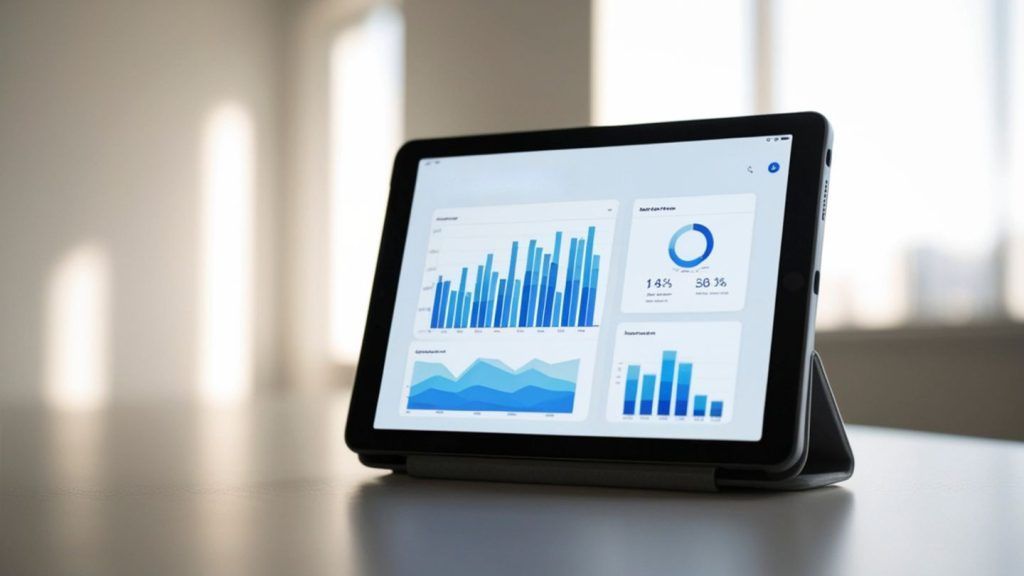
Measurable data demonstrates value to executives while driving continuous improvement.
Trust metrics: Post-call satisfaction scores (CSAT, NPS), willingness to use triage again, percentage of calls resolved without additional escalation
Clinical metrics: Reduction in unnecessary emergency room visits, appropriate urgent care utilization, time-to-care for urgent conditions, 30-day readmission rates
Quality indicators: HCAHPS scores often improve with well-designed nurse triage. Many programs achieve double-digit percentage reductions in avoidable ER use and patient satisfaction scores consistently above 90%.
Qualitative feedback, patient comments, and complaints should inform ongoing refinements to scripts, training, and workflows.
Implementing or Upgrading a Nurse Triage Program
Building trust requires intentional design from day one, whether implementing an in-house program or partnering with an external triage service.
Implementation steps:
- Assess current call volume and pain points
- Define clinical scope and select protocols
- Determine hours, staffing, and service-level criteria
- Establish training on protocol use, communication skills, cultural competence, and documentation
- Create governance through regular chart reviews and call audits
Final Thoughts
Change management matters. Introduce the triage service clearly to staff and patients, update after-hours messages, and consistently brand triage nurses as part of the care team. This approach helps achieve peace of mind for patients and burnout reduction for clinical staff.
Guideway Care enhances these outcomes through its nurseline services, designed to deliver timely, high-quality patient support while maintaining strong communication and care continuity. Additional services, such as healthcare CRM and EMR integration, insurance verification, help ensure accurate coverage and reduce administrative delays, while patient care coordination supports seamless communication, scheduling, and follow-up across the care continuum. Together, these integrated solutions help healthcare organizations build lasting patient relationships, improve engagement, and ensure every interaction reinforces trust and confidence in care delivery.