
Nurse triage answering services have become essential for healthcare organizations facing rising patient demand, staffing shortages, and increasing pressure to provide 24/7 access to care. By connecting patients with licensed nurses who assess symptoms in real time, these services help guide individuals to the appropriate level of care while reducing unnecessary emergency room visits. They also improve patient satisfaction, streamline operations, and support better clinical outcomes. In this blog, we will explore how nurse triage answering services work, their key benefits, and why they are a valuable investment for modern healthcare systems and medical practices.
Key Takeaways
- Nurse triage answering services reduce unnecessary ER visits by up to 70%, directing patients to appropriate care levels while protecting emergency resources for true emergencies.
- During 2020–2022 COVID-19 surges, these services resolved 60% of calls over the phone, preventing hospital overcrowding and saving over $1 million per facility in potential revenue loss.
- Patient satisfaction scores reach 90% or higher when callers speak directly with registered nurses who provide immediate access to professional medical advice.
- Healthcare organizations see significant reductions in provider burnout when triage nurses handle after-hours symptom calls, freeing on-call providers for genuine emergencies.
- Modern services integrate with EHRs and follow evidence-based protocols like Schmitt Thompson protocols, ensuring continuity of care and HIPAA-compliant documentation.
Understanding Nurse Triage Answering Services
Nurse triage services function as an extension of your practice’s care team, with licensed RNs answering patient inquiries and providing clinical advice around the clock. Unlike generic medical answering services that only take messages, a nurse triage answering service delivers real-time symptom assessment and medical guidance using evidence-based protocols.
The typical call flows through several steps: a patient dials the practice number, routing directs them to the triage nurse, who gathers chief complaint details, including onset, severity, and relevant medical history. Using decision-support tools like Schmitt Thompson protocols, developed since the 1980s and continuously refined, the nurse advises on disposition: home care, next-day appointment, urgent care visit, ER, or 911 dispatch.
Coverage patterns vary based on organizational needs. Some practices use after-hours nurse triage services exclusively for nights and weekends, while multi-hospital systems deploy 24/7 coverage, including overflow support during peak daytime clinic hours.
Core Benefits of Nurse Triage Answering Services for Healthcare Organizations
Nurse triage answering services deliver measurable benefits across clinical, operational, financial, and experiential domains. During COVID-19 peaks in 2020–2021 and subsequent RSV/flu surges in 2022–2023, these services demonstrated their value by reducing unnecessary emergency visits and ensuring continuity when traditional access points were overwhelmed.
1. Enhanced Patient Satisfaction and Experience
Speaking directly with a triage nurse, rather than reaching voicemail or a non-clinical operator, immediately reassures patient callers and caregivers. When RNs answer within 60 seconds using empathetic scripts and provide clear plans (“home care tonight, clinic appointment at 9 a.m.”), anxiety decreases, and patient experience improves dramatically.
Industry data shows nurse-led triage services achieving patient satisfaction scores in the 90% range for responsiveness and clarity. Consider a common scenario: a parent calls at midnight about a child’s mild cough and low-grade fever. Instead of an expensive, stressful ER trip, the triage nurse provides safe home care instructions and schedules follow-up care, delivering compassionate care that builds lasting trust.
2. Significant Cost Savings and Financial Efficiency
Emergency department visits average $2,000 per encounter. Research shows triage nurses prevent approximately two out of three intended ER trips, redirecting callers to self-care, next-day appointments, or urgent care when appropriate. One study documented $7.50 per patient savings, scaling to over $1 million annually for hospitals handling 50,000 visits.
For a 10-provider clinic, reducing unnecessary ER visits by 50–70% translates to hundreds of thousands in annual savings. Organizations operating under capitated arrangements, ACOs, or Medicare Advantage contracts particularly benefit from steering patients to the right site of care at the right time, optimizing reimbursements, and improving patient outcomes.
3. Reduced Staff Burnout and Improved Work–Life Balance
Since 2020, physicians and office staff have faced overwhelming inbox messages, portal requests, and after-hours calls, contributing to documented burnout and 20–30% nursing turnover rates. Nurse triage services absorb symptom-based calls, contacting the on-call provider only for true emergencies requiring immediate physician input. Real-world examples, especially in specialty practices, demonstrate how nurse triage services help busy OB/GYN offices save time, improve efficiency, and reduce provider workload.
The result: fewer late-night interruptions, more predictable on-call schedules, and reduced morning call-back chaos. One provider captured the sentiment: “For the first time in years, I can sleep through the night without every cough escalating to me.” Lower provider burnout means better retention and reduced recruitment costs.
4. Optimized Resource Utilization and Clinic Efficiency
By categorizing patient calls by urgency, nurse triage services help schedule appointments appropriately, same-day slots for acute needs, and routine follow-up for stable conditions. This reduces no-shows and double-booking while freeing exam slots for patients requiring in-person evaluation.
Many services schedule appointments directly within practice systems, streamlining workflow efficiency. Triage documentation arrives before the patient, allowing the practice’s care team to prepare for focused, efficient visits rather than starting from scratch.
5. Decreased Unnecessary Emergency Room and Urgent Care Visits
Studies estimate that 30–50% of emergency department visits are non-urgent. Journal of Medical Internet Research research documents up to 70% reduction in unnecessary emergency room visits through nurse triage, while other analyses show 50% reductions in ED wait times through proper care-level routing.
Triage nurses use clinical judgment alongside evidence-based guidance to identify when home care is safe, when timely care at a clinic suffices, and when immediate ER attention is genuinely required. This protects emergency resources for high-acuity patients while ensuring that reducing unnecessary emergency visits doesn’t mean missing true emergencies.
6. Improved Reputation, Patient Loyalty, and Revenue
Being reachable 24/7 with clinically trained nurses strengthens your organization’s reputation for patient-centered care. Satisfied callers leave positive online reviews, complete satisfaction surveys favorably, and recommend your organization to others.
Triage interactions often result in scheduled appointments, chronic disease check-ins, post-procedure follow-ups, or appropriate referrals that keep care and revenue within your network. Primary care, pediatrics, OB/GYN, and cardiology practices all benefit from patient retention driven by consistent, high-quality care access regardless of regular hours.
7. HIPAA Compliance, Documentation, and Data Security
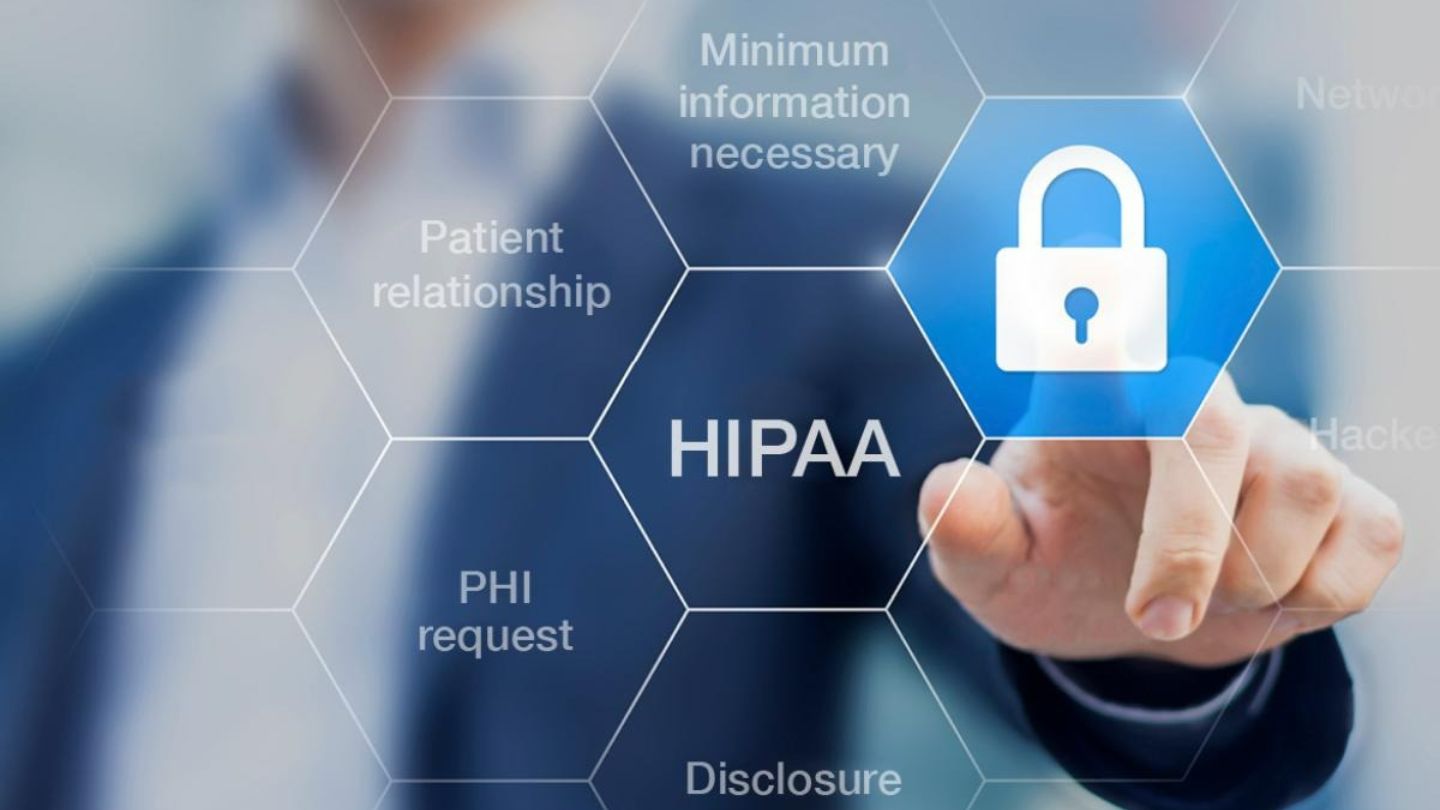
Reputable nurse triage answering services maintain HIPAA compliant infrastructure: encrypted communications, secure call recording, strict access controls, and comprehensive staff training. Time-stamped documentation imports directly into EHRs, supporting care coordination and medico-legal protection. To better understand how to keep patient data safe in medical call center environments, healthcare organizations should follow established security and compliance best practices.
Adherence to standardized triage protocols creates consistent, defensible records. When a case undergoes review, detailed documentation demonstrates that clinical advice followed established guidelines, reducing liability rather than increasing it.
8. Scalability and Flexibility for Growing or Complex Organizations
Nurse triage services scale from supporting single independent practices to multi-state health systems managing thousands of monthly calls. Practical flexibility includes handling seasonal surges during flu/RSV seasons, supporting new clinic openings, or expanding telehealth offerings. These capabilities are often supported by modern infrastructure, and understanding the importance of cloud-based call center solutions in healthcare can help organizations scale more effectively.
For federally qualified health centers expanding to new counties or health systems adding urgent care sites, centralized triage provides standardized patient access across locations. This turnkey solution eliminates the need to rotate on-call duty among existing staff or hire additional personnel during growth phases.
The Nurse Triage Workflow: From Incoming Call to Care Coordination
Modern nurse triage answering services follow a structured, patient-centered workflow. After routing, the nurse introduces themselves, verifies patient identity, and gathers essential data: chief complaint, onset, duration, severity, associated symptoms, medications, and medical history.
Using decision-support tools, nurses screen for red flags while applying standardized triage protocols. Final disposition, self-care, clinic visit, urgent care, ER, or 911, is communicated clearly with specific instructions. For cases meeting predefined criteria, secure escalation alerts reach the on-call provider with concise assessment summaries.
Documentation flows back to the EHR or practice management system, ensuring the leadership team and clinical staff have complete visibility on the next business day.
Is a Nurse Triage Answering Service Right for Your Practice or Health System?

This strategic decision depends on your patient population, call volume, payment models, and staffing shortages. Organizations experiencing high after-hours call volume, frequent inappropriate ER use, physician burnout, or multi-site coverage challenges are strong candidates.
Review your metrics from the past 12–24 months: ER utilization patterns, patient satisfaction with timely access, staff overtime, and turnover rates. Many healthcare organizations, from independent practices to large systems, discover distinct benefits aligned with their specific operational gaps.
How to Choose the Right Nurse Triage Answering Service Partner
Not all center solutions deliver equal value. Evaluate potential partners on evidence-based protocols, RN licensure and experience, training standards, quality monitoring, and pediatric/adult expertise. Technical considerations include EHR integration, secure call recording, reporting dashboards, tracking ED avoidance and response times, and workflow customization.
Confirm HIPAA compliance credentials and multi-state licensing if applicable. Conduct a 60–90 day pilot with defined success metrics before committing long-term. Prioritize vendors who function as clinical partners, offering ongoing communication, feedback loops, and performance reviews, rather than simple call center operations.
Implementing Nurse Triage Answering Services: Practical Steps
Implementation typically spans 4–8 weeks: needs assessment, vendor selection, workflow design, staff training, and go-live. Map call flows carefully, defining which dispositions require immediate provider contact, how urgent messages are flagged, and escalation pathways for high-risk situations.
Prepare patient communications: website updates, phone tree changes, and printed materials explaining after-hours care options. Train physicians, advanced practitioners, and front-desk staff on how documentation flows and when to reference triage notes. Establish metrics from day one, average speed to answer, patient satisfaction, ER reduction, and provider scores, with quarterly reviews to refine protocols.
Future Directions: Nurse Triage in a Hybrid and Telehealth-Driven World
Nurse triage increasingly serves as the “front door” to virtual care, identifying many patients who can safely receive video or phone visits rather than in-person appointments. Emerging tools, symptom-checker apps, and AI-assisted documentation help nurses work efficiently while human clinical judgment remains essential.
Organizations investing now in high-quality nurse triage services position themselves for evolving payment models emphasizing access, efficiency, and better outcomes. Technology should augment, not replace, the experienced nurses delivering informed decisions and compassionate care.
Final Thoughts
Nurse triage answering services play a critical role in improving patient access, reducing unnecessary emergency room visits, and supporting better clinical and operational outcomes. By providing real-time symptom assessment, these services help healthcare organizations manage call volumes, enhance patient satisfaction, and reduce provider burnout. They also ensure patients receive timely, appropriate care while maintaining continuity and efficiency across healthcare systems.
Guideway Care offers a reliable nurse triage answering service designed to help healthcare organizations deliver timely, nurse-led patient support around the clock. In addition, healthcare organizations can benefit from integrated medical call center support, efficient insurance verification processes that reduce administrative workload, and healthcare CRM & EMR integration that improves care coordination and communication. These solutions work together to improve patient access, streamline operations, and support better care delivery. Contact Guideway Care today to learn how these solutions can support your organization’s needs.