
Federally Qualified Health Centers (FQHCs) play a critical role in delivering care to underserved populations, yet rising patient demand, staffing shortages, and increasing administrative complexity are making traditional outreach methods less effective. Missed appointments, gaps in follow-up care, and limited patient communication can directly impact both health outcomes and financial sustainability. Patient engagement solutions offer a strategic way to address these challenges by improving communication, streamlining workflows, and enhancing access to care. In this blog, we will explore why patient engagement is essential for FQHCs, the challenges they face, and how modern solutions can drive better outcomes for patients and organizations alike.
Key Takeaways
- Federally qualified health centers served over 31 million patients in 2024, yet no-show rates of 20–30% and complex social needs make traditional outreach unsustainable.
- Modern patient engagement solutions, automated reminders, self-service scheduling, and data-driven workflows, directly improve health outcomes, quality metrics, and financial sustainability.
- Engaging patients effectively requires co-designing tools around each FQHC’s community, staffing realities, and value-based care contracts rather than deploying generic technology.
- FQHCs using intentional engagement strategies report significant improvements in screening rates, chronic disease management, and revenue protection under Medicaid and Medicare models.
- Acting within the next 12–18 months positions community health centers for continued growth and expanded value-based care through 2028.
Why Patient Engagement Is Mission-Critical for FQHCs
Patient engagement connects directly to the FQHC mission of improving outcomes, access, and health equity for underserved communities. Engaged patients keep appointments, adhere to treatment plans, manage chronic conditions, and complete preventive services, all of which impact UDS reporting and HRSA compliance.
The stakes extend beyond clinical care. Value-based contracts, PCMH recognition, and Medicaid managed care programs increasingly tie reimbursements to patient satisfaction and quality metrics. One study showed FQHCs using comprehensive engagement platforms achieved a 65% improvement in quality performance across breast cancer screening, colorectal cancer screening, and postpartum care.
Three domains where engagement proves crucial:
- Clinical outcomes: blood pressure control, A1c management, cancer screenings
- Operational performance: reduced no-shows, efficient panel management
- Financial health: protected visit volume, risk-based revenue optimization
Without effective strategies for improving patient engagement, FQHCs risk widening gaps for the very patient populations they serve.
Unique Engagement Challenges Faced by FQHCs

While all healthcare providers struggle with engagement, community health centers face distinct barriers combining social, operational, and technological challenges.
- Social determinants of health create persistent obstacles. FQHC patients experience higher rates of chronic conditions, unstable housing, food insecurity, transportation barriers, and language challenges. More than 40% of adult patients report fair or poor health in national surveys, complicating patient self management and long-term engagement.
- Operational constraints compound these difficulties. High visit volumes, limited staffing, burnout, and multiple service lines, medical, dental, behavioral health, pharmacy, require coordination with minimal administrative support. Healthcare teams face scheduling conflicts daily.
- Technology access remains uneven. Most patients have mobile phones, but many rely on prepaid plans, intermittent data, and shared devices. Some lack email, struggle with patient portals, or have limited access to digital literacy resources.
Common workflow pain points include manual phone reminders, paper intake, fragmented departmental outreach, and limited visibility across systems, all creating administrative burden that makes consistent engagement impossible at scale. Tailored solutions address these specific needs rather than offering generic, one-size-fits-all tools.
How Patient Engagement Solutions Directly Benefit FQHCs
Patient engagement solutions encompass multi-channel communication, patient self scheduling, digital intake, remote monitoring, and analytics designed for ongoing interaction with fqhc patients. Improving patient communication also helps increase patient satisfaction, and many healthcare teams focus on improving medical call center CSAT scores to deliver better patient experiences.
- Reducing no-shows and increasing access: Automated reminders, waitlist management, and self-service scheduling can cut no-show rates significantly. Centers implementing these tools report drops from 28% to 18%, converting idle time into completed visits and providing convenient access for patients.
- Improving clinical quality: Consistent outreach supports chronic care management, preventive screenings, and behavioral health follow-up. This directly lifts UDS and HEDIS measures tied to funding, improving outcomes across conditions like diabetes and hypertension.
- Advancing health equity: Tools supporting SMS in multiple languages, low-data communication, and phone-based links without logins reach patients beyond portals and email. Culturally tailored messaging ensures services remain accessible to communities with limited access to technology.
- Streamlining operations: Reduced call volume, fewer manual reminder calls, and coordinated workflows across medical, dental, and behavioral health services free care teams for relationship-building and complex patient care.
- Strengthening financial sustainability: More completed visits, better documentation, and cleaner data support accurate UDS reporting, grant applications, and improved performance in value-based contracts. These solutions reduce healthcare costs while protecting revenue.
Key Capabilities FQHCs Should Look For in Patient Engagement Solutions
Not all engagement platforms serve FQHCs effectively. Centers should evaluate tools through the lens of their patient populations, funding requirements, and reporting needs. It is also important to understand the difference between contact center and call center models when choosing the right patient communication system.
Essential capabilities include:
| Capability | FQHC Application |
| Multi-channel outreach (SMS, voice, email) | Reaches patients without portal logins; supports multiple languages |
| Self-service tools | Digital forms, scheduling, and registration on basic smartphones |
| Automated campaigns | Preventive care, chronic disease follow-up, care-gap closure |
| EHR/practice management integration | Eliminates double documentation and data silos |
| FQHC-aligned analytics | No-show rates, screening completion, demographic engagement |
Compliance considerations matter: HIPAA, 42 CFR Part 2 for substance use records, consent management, and audit-ready reporting must be built-in.
Co-Designing Engagement Workflows with FQHC Teams and Communities
Successful patient engagement requires more than deploying software, it demands co-designing workflows with frontline staff and community voices.
Involving care managers, call center staff, medical assistants, and community health workers in design sessions creates realistic workflows matching day-to-day operations. Patient feedback and community advisory boards shape messaging tone, preferred channels, and timing, ensuring cultural relevance and open communication. Many healthcare providers have also seen how a call center nurseline can save time, reduce workload, and improve patient care delivery.
FQHCs should pilot new campaigns with small cohorts or a single service line before scaling. For instance, a center might test automated SMS reminders combined with community health worker follow-ups to reduce behavioral health no-shows, then expand based on 60–90 day metrics.
Standard operating procedures and staff training must accompany the platform, including clear ownership of task queues, message review, and escalation paths for patient concerns.
Aligning Patient Engagement Solutions with Financial Health and Growth
FQHCs operate on tight margins reliant on Medicaid (serving 9 million beneficiaries), Medicare, and federal grants. Patient engagement directly protects financial sustainability.
Reduced no-shows and improved visit completion safeguard revenue under PPS, APMs, and capitation arrangements common in Medicaid managed care. Engagement tools help FQHCs perform better in quality bonus programs and pay-for-performance incentives by lifting screening rates and patient experience scores.
Automated engagement and streamlined intake decrease manual labor, overtime, and burnout, reducing turnover costs and supporting workforce well being. Clean, timely data supports grant applications and strategic planning for service expansion through 2028.
Strong engagement infrastructure positions FQHCs for sustainable growth, enabling them to serve more patients in underserved areas without proportional increases in administrative overhead.
Implementing Patient Engagement Solutions: Practical Steps for FQHC Leaders
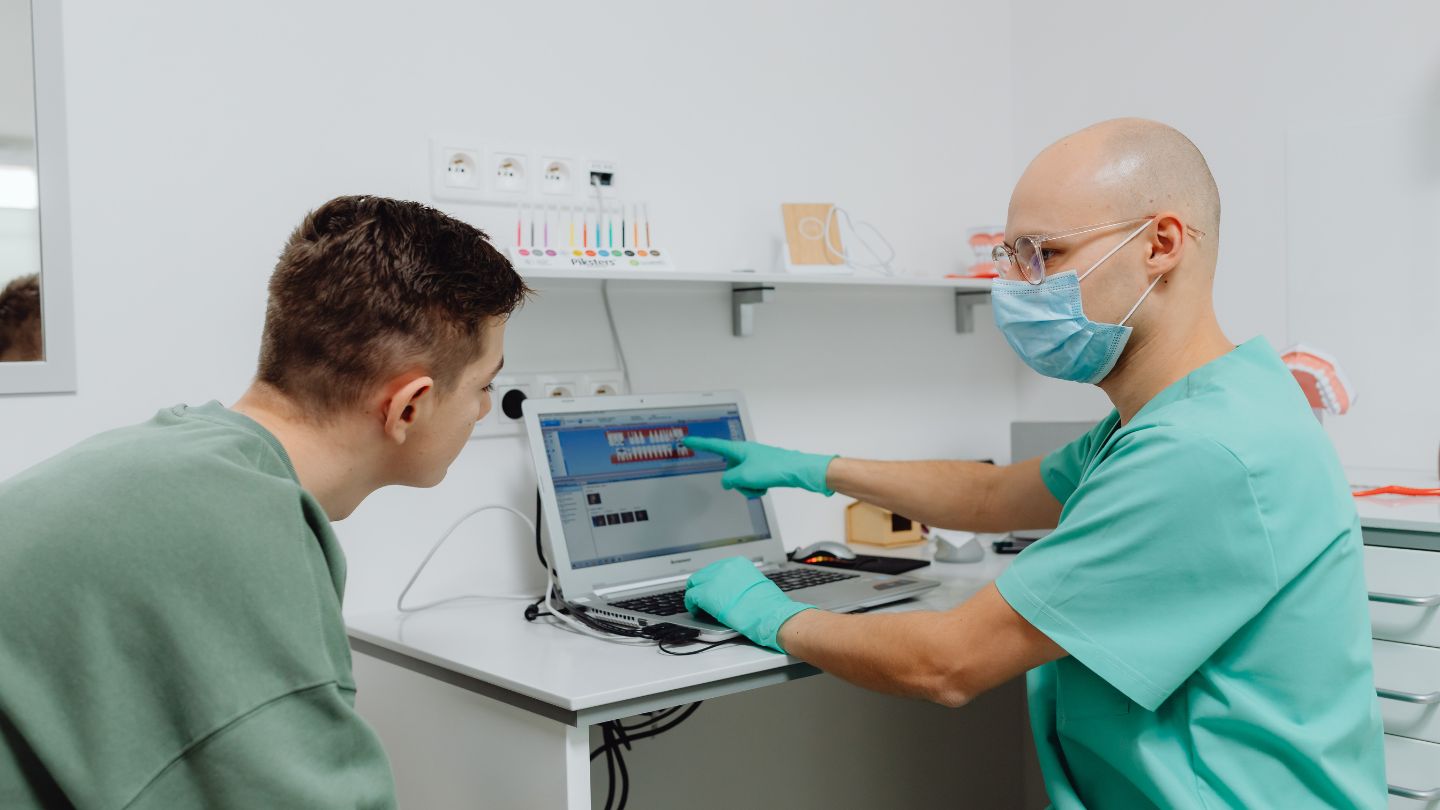
FQHC executives and operations leaders should treat engagement as a strategic initiative with clear decision making authority.
- Implementation approach:
- Assess current state: Map no-show rates, call volume, portal use, and manual outreach burden by site and service line
- Define goals: Set specific targets (e.g., reduce no-shows 20% in 12 months, increase mammography completion 15%)
- Select technology: Evaluate solutions on integration, FQHC experience, multi-language support, and total cost
- Pilot and refine: Run focused pilots, collect staff and patient feedback, iterate before rollout
- Scale and monitor: Standardize successful workflows while tracking metrics for continuous improvement
Change management matters: communicate the “why” to staff, provide hands-on training, and celebrate early wins. Consider using HRSA grants, state transformation funds, or value-based incentive dollars for funding.
The most successful FQHCs treat engagement platforms as long-term operational assets with ongoing optimization rather than one-time IT projects.
Final Thoughts
Patient engagement solutions are essential for FQHCs to improve access, reduce no-show rates, and enhance both clinical and financial outcomes. By leveraging multi-channel communication, automated workflows, and data-driven strategies, FQHCs can better manage chronic conditions, increase preventive care completion, and streamline operations. These solutions also help address social and technological barriers, ensuring underserved populations receive consistent, high-quality care while supporting long-term sustainability under value-based models.
Guideway Care provides specialized FQHC Contact Center Services designed to help community health centers improve patient communication, optimize scheduling, and enhance overall engagement. In addition to these services, organizations can benefit from our integrated medical call center support, streamlined insurance verification processes that reduce administrative burden, and advanced healthcareCRM & EMR integration that improves care coordination and operational efficiency. These solutions work together to strengthen patient engagement, improve workflows, and support scalable growth. To learn how Guideway Care can support your patient engagement goals, contact us to explore solutions tailored to your organization’s needs.