
Accurate call documentation has become essential for modern healthcare practices as patient communication increasingly happens over the phone. With rising call volumes for appointments, prescription refills, and symptom reporting, ensuring that every interaction is properly recorded is critical for both patient safety and operational efficiency. A call center for medical practice helps standardize this process by capturing detailed, real-time information and integrating it into patient records. This not only reduces errors and improves follow-up care but also strengthens compliance and overall patient experience. By transforming calls into structured data, practices can make better clinical and administrative decisions. In this blog, we explore how call centers improve call documentation.
Key Takeaways
- Dedicated medical practice call centers capture more complete call details, who called, what was discussed, when, and why, than busy front desks juggling multiple responsibilities.
- Structured call documentation reduces clinical errors, supports better decision-making, and protects practices against compliance and legal risks.
- Integrated call center tools (electronic health records, CRM, call recording, quality assurance software) transform every patient call into searchable, actionable data.
- Better documentation from call centers improves follow-up adherence, billing accuracy, and overall patient satisfaction.
- Practices that invest in call-center-driven documentation see up to 30% fewer claim denials and 25% reduction in adverse events related to phone encounters.
The Role of a Medical Practice Call Center in Capturing Every Interaction
A call center for medical practice is a centralized team, either in-house or outsourced, dedicated to managing inbound and outbound patient calls for one or multiple locations. Whether serving family medicine, pediatrics, or specialty clinics, healthcare call centers ensure every phone interaction receives focused attention.
Unlike a busy front desk where staff juggles walk-ins, paperwork, and administrative routine tasks, call center agents have one primary responsibility: documenting each patient interaction in real time following clear protocols.
What professional call center agents capture during every call:
| Documentation Element | Example |
| Caller identity | Patient name, date of birth, contact info |
| Call metadata | Date, time, duration |
| Purpose | New symptom report, refill request, billing question |
| Actions taken | Advice given, appointment scheduled, escalation |
| Follow-up plan | Callback scheduled, provider notification |
The call center becomes the single source of truth for what was said, promised, or advised on the phone. When a patient disputes whether they received post-op instructions or claims they never got a callback, time-stamped records provide clarity.
Call recording adds another layer of verification. If a patient calls requesting a medication refill on March 10, 2026, center agents can cross-reference the audio recording with documented notes to confirm exactly what was discussed. This level of documentation protects both patient safety and practice liability.
Consider this concrete example: A patient reports new chest pain during a call. The call center agent documents the onset, severity, location, questions asked, and the specific instruction given: “Proceed to the nearest ER immediately.” This documentation prevents oversight and provides a clear record for medical staff reviewing the case later.
Standardized Call Documentation Workflows
Standardization is the primary reason healthcare call centers dramatically improve documentation quality. When every agent follows the same protocols, documentation becomes consistent, complete, and usable.
Call center staff use structured templates embedded in practice management systems or electronic health records. These templates ensure agents capture required fields for every call:
- Call type (refill, triage, scheduling, billing inquiry)
- Symptoms described with onset and severity
- Urgency level based on triage protocols
- Provider requested
- Callback number and preferred contact time
For specific call types, predefined checklists ensure no critical detail is missed:
- Medication Refill Calls:
- Drug name and dosage
- Last fill date
- Prescribing provider
- Preferred pharmacy
- New Symptom Reports:
- Symptom onset and duration
- Severity rating
- Associated symptoms
- Red flag screening questions
- Prior Authorization Follow-ups:
- Insurance carrier and ID
- Authorization reference number
- Status and next steps discussed
This structure enables powerful reporting. Practice administrators can run queries like “show all after-hours symptom calls in Q1 2026 that resulted in urgent scheduling appointments” to identify operational efficiency opportunities and patient demand patterns.
The contrast is stark: unstructured front desk methods yield 40-50% incomplete documentation, while call center systems with required-field validation achieve 95%+ completion rates. This difference directly impacts patient data quality and healthcare outcomes.
Integration with EHR, Scheduling, and Messaging Systems

The transformative leap in documentation quality comes when call center systems integrate seamlessly with existing healthcare technology. API-driven connections between call center platforms and electronic health records eliminate manual transcription and create unified patient records.
During calls, agents document directly into the patient’s chart. Providers see exact wording and timestamps, “Patient reports 3-day headache with photophobia, no trauma history, advised same-day appointment”, rather than abbreviated notes that lose critical context.
Integration benefits across systems:
| System | Documentation Advantage |
| EHR (Epic, Cerner) | Call notes become part of patient histories, viewable pre-visit |
| Scheduling platforms | Appointment entries show reason, initiator, and alternatives offered. |
| Patient portals | Secure messaging logs alongside voice interactions |
| SMS reminders | Confirmation responses linked to original call documentation |
This healthcare communication approach eliminates double-entry that plagues front desk workflows. Industry benchmarks show integrated systems reduce transcription errors by 70%, meaning fewer instances where “discontinue medication” becomes “continue medication” through hurried retyping.
For health systems managing multiple locations, integrated documentation creates consistency. A patient who calls the main line about lab results has that interaction documented in the same chart that their specialist will review. No information silos. No lost details between reception, nursing, and providers.
Real-time EHR flags can alert agents when documentation is incomplete, prompting for missing medical necessity elements before the call ends. This aligns with the 2026 CPT updates requiring precise clinical justification for reimbursements.
Reducing Clinical Risk and Improving Patient Safety Through Better Call Notes
Poor call documentation creates real clinical risk. Studies indicate that undocumented telephone encounters contribute to 15-20% of malpractice suits involving missed symptoms or disputed advice. When patient records lack documentation of phone conversations, “he said/she said” conflicts become impossible to resolve.
Healthcare call center services counter this risk through protocols that explicitly capture:
- Symptom onset, severity, and progression
- Red flag indicators (chest pain radiating to the arm, sudden severe headache)
- Escalation decisions (nurse triage, same-day appointment, ER referral)
- Verbatim instructions given to the patient
- Confirmation that patient understood next steps
Example scenario: A patient calls on April 2, 2026, reporting worsening asthma symptoms. The documented record shows:
- Questions asked: “How long has shortness of breath persisted? Any wheezing? What’s your peak flow reading?”
- Advice given: “Double inhaler dosage, monitor oxygen saturation, return to ER if no improvement within one hour.”
- Follow-up scheduled: Pulmonologist appointment April 5, 2026
- Provider notification: Chart flagged for Dr. Martinez review
When this patient arrives for their appointment, healthcare professionals have complete context. If complications arise, the practice has time-stamped evidence of appropriate triage and patient communication.
This approach enhances patient safety directly. Research shows structured call logging reduces adverse events by 25% in telephonic care. Every documented call becomes part of delivering patient-centered care, ensuring patients receive timely responses based on complete information rather than staff memory.
For post-operative patients, documented instructions about medication holds, fasting requirements, or warning signs to watch create clear accountability. When a patient claims they weren’t told to stop blood thinners before a procedure, the call recording and documented notes provide definitive answers.
Supporting Revenue Cycle and Compliance with Thorough Call Records
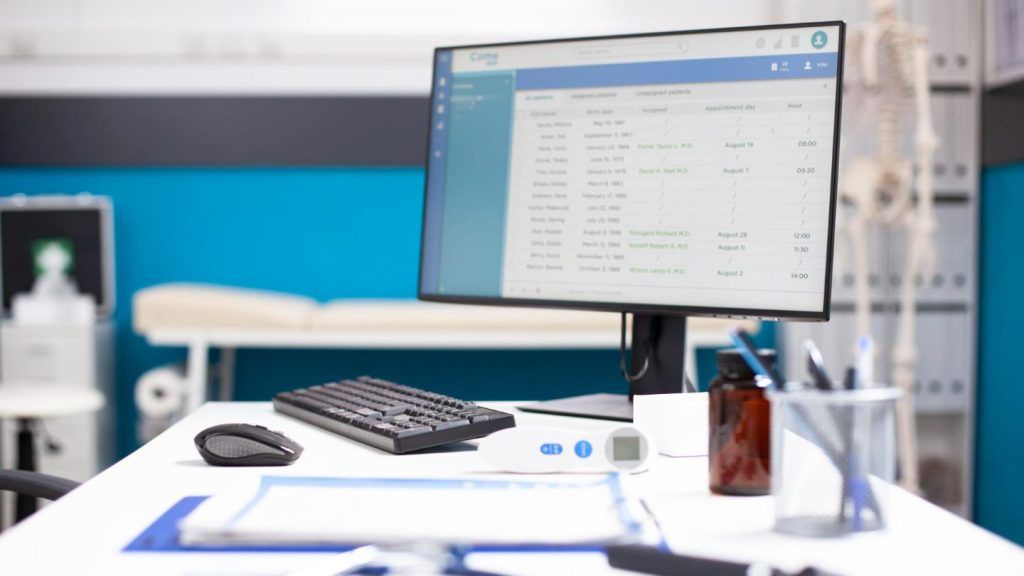
Thorough call documentation directly impacts financial performance. In 2026’s complex insurance landscape, especially with Medicare Advantage prior authorization requirements, healthcare organizations need documented proof of every payer conversation.
Medical call centers log critical revenue cycle touchpoints:
- Insurance eligibility verification with coverage details
- Prior authorization reference numbers and approval criteria
- Payer guidelines discussed with patient access teams
- Co-pay and deductible discussions
- Payment plan agreements
Each undocumented insurance call risks claim denials that cost practices $25-50 per rework. This broader efficiency gain also reflects how 24/7 medical answering services help reduce costs by minimizing missed calls, reducing rework, and improving how patient communication is documented and routed. Data shows practices with comprehensive call documentation see up to 30% fewer denials, particularly for procedures requiring precise ICD-10 coding and medical necessity documentation.
Documentation that protects against billing disputes:
| Call Type | Revenue Cycle Impact |
| Insurance verification | Confirms eligibility before service delivery |
| Prior authorization | Creates an audit trail for approved services |
| Financial responsibility | Documents patient’s understanding of costs |
| Collections | Records payment arrangements and commitments |
Beyond revenue, call documentation supports HIPAA compliance and patient data protection. This is also why patient data privacy is crucial for healthcare call centers, as secure documentation practices directly affect compliance, patient trust, and the safe handling of sensitive health information. When regulators or auditors request information about specific patient interactions, comprehensive logs and HIPAA-compliant recordings provide clear responses.
Healthcare contact centers maintain audit trails showing who accessed patient information, when calls occurred, and what was discussed. This level of data security satisfies compliance requirements while protecting practices during legal review.
Quality Assurance, Training, and Continuous Improvement Based on Call Documentation
Detailed call documentation feeds continuous quality improvement, turning static records into actionable insights for healthcare services enhancement.
Supervisors review recorded calls alongside documented notes, coaching agents on completeness and accuracy. Ongoing coaching and review also align with proven tips for improving customer service in a healthcare call center, especially when practices want to strengthen communication quality alongside documentation standards. Did the agent ask all required symptom questions? Was the escalation pathway followed correctly? Were patient expectations clearly addressed?
Regular QA sampling, typically 10% of calls, ensures documentation standards remain high. Common coaching areas include:
- Completeness of required fields
- Accuracy of medical terminology
- Proper red-flag documentation
- Empathetic communication during difficult calls
Analytics on documentation fields reveal patterns that inform operational improvements:
Pattern Analysis Applications:
| Documentation Trend | Improvement Action |
| Frequent policy confusion calls | Update patient education materials. |
| Recurring medication instruction questions | Revise prescription workflows |
| High escalation rates for specific conditions | Develop targeted triage protocols. |
| Common scheduling appointments errors | Refine booking scripts |
Incorporating patient feedback from documented interactions helps practices identify pain points in the patient experience. If multiple callers express confusion about the same billing policy, that’s valuable patient feedback driving process improvement.
A well-run call center achieves 20-30% efficiency gains over time through this feedback loop. Documentation evolves from a compliance requirement into a strategic tool for enhancing patient experiences and reducing routine inquiries through better upfront communication.
Choosing and Implementing a Call Center Model That Elevates Documentation
Practices can build internal call center teams or partner with specialized outsourced call centers. Either approach requires consistent documentation standards to improve health outcomes and service delivery.
Documentation-focused selection criteria:
- Integration capabilities with your specific EHR and practice management system
- Configurable documentation templates matching your call types
- Call recording with searchable transcription
- Robust reporting and analytics dashboards
- HIPAA-compliant storage and access controls
Implementation roadmap:
- Define protocols: Work with clinical leaders to establish required documentation fields for each call type
- Train agents: Cover medical terminology, red-flag recognition, and template usage
- Pilot test: Start with high-volume, lower-risk calls (scheduling appointments, refill requests)
- Expand gradually: Add triage routing and results calls once workflows stabilize
- Monitor metrics: Track documentation quality in the first 90 days
Key metrics for early monitoring:
| Metric | Target |
| Percentage of calls logged | 95%+ |
| Required field completion | 98%+ |
| Documentation error rate | <2% |
| Average documentation time | Within the call duration |
A concrete example: A midsize family practice might begin by routing all refill and scheduling calls to their contact center solution. After 60 days of validating documentation quality and reducing missed appointments by 25%, they expand to symptom triage and follow-up calls with appropriate training.
Conclusion: Turning Every Phone Call into Actionable Clinical and Operational Data
A dedicated call center for medical practice transforms undocumented phone traffic into structured, reliable patient information. Every interaction, from routine inquiries to urgent symptom reports, becomes searchable data supporting clinical decisions and patient engagement.
Standardized workflows, EHR integration, and quality assurance processes ensure each call becomes part of the patient’s documented story, supporting continuity across the healthcare journey.
Practices investing in call-center-driven documentation consistently see:
- Fewer clinical errors from missed information
- Stronger compliance positioning
- Better health outcomes through improved follow-through
- Clearer insight into patient needs and operational patterns
As patient expectations and telehealth continue evolving beyond 2026, call documentation quality will be as strategically important as in-person charting. The practices that recognize calls as clinical encounters, deserving the same documentation rigor, will deliver better patient outcomes while protecting their operational and legal standing.
Final Thoughts
Effective call documentation is critical for improving patient safety, operational efficiency, and compliance in modern healthcare practices. A dedicated call center for medical practice ensures that every patient interaction is accurately captured, standardized, and integrated into clinical workflows. By leveraging structured templates, real-time documentation, and seamless EHR integration, practices can reduce errors, improve follow-up care, and gain actionable insights from every call. This approach not only enhances decision-making but also strengthens revenue cycle performance and overall patient experience.
Guideway Care delivers advanced healthcare call center solutions designed to streamline call documentation and improve communication across the care continuum. By leveraging healthcare CRM and EMR integration, we enable real-time data exchange and unified patient records for better visibility. Additional services such as nurseline support enhance clinical communication and triage accuracy, while patient care coordination ensures seamless follow-up and continuity across the patient care journey. Appointment scheduling services further improve efficiency by reducing missed appointments and ensuring timely access to care. Together, these integrated solutions help healthcare organizations capture accurate call data, reduce administrative burdens, and transform every patient interaction into meaningful, actionable information that supports better care delivery and long-term success. Contact us today to learn how our solutions can help your organization improve efficiency, accuracy, and patient outcomes.