How Does Nurse Triage Reduce After-Hours Workload for Providers

How Does Nurse Triage Reduce After-Hours Workload for Providers

Healthcare providers are facing unprecedented pressure from rising after-hours patient demands. Constant messages, late-night calls, and urgent concerns increasingly spill into personal time, fueling stress and burnout. Many practices struggle to balance patient access with clinician well-being while maintaining safe, high-quality care. Nurse triage has emerged as a practical, clinically sound solution to address this growing challenge. In this blog, we explore how structured triage services significantly reduce after-hours workload for providers.

Key Takeaways

  • Nurse triage significantly reduces after-hours provider workload by handling most routine patient concerns independently.
  • Only truly urgent or complex issues are escalated to providers, improving safety and reducing interruptions.
  • Standardized clinical protocols ensure consistent, high-quality assessments that minimize repeat outreach.
  • Technology integrations; EHR access, secure messaging, digital intake tools; further streamline triage efficiency.
  • When implemented with strong staffing, protocols, and quality oversight, nurse triage improves patient satisfaction while protecting provider well-being.

The After-Hours Problem in Healthcare

After-hours workload includes all patient interactions occurring outside regular clinic hours: calls, messages, medication questions, scheduling needs, and urgent administrative requests. As digital tools like patient portals and telehealth expand access, the volume of after-hours outreach has surged, creating a nonstop flow of communication that providers must manage.

This escalating demand significantly impacts clinicians. Constant interruptions erode personal time, increase stress, and contribute to widespread burnout, with many providers citing after-hours obligations as a key reason for leaving practice. The persistent cognitive load undermines decision-making, slows response times, and can lead to medical errors, while patients experience frustration and may turn to emergency rooms when timely guidance is unavailable.

Operationally, maintaining 24/7 coverage strains healthcare organizations. On-call rotations are difficult to staff, damage work relationships, and exceed budget limits, forcing compromises in access and quality. The need to balance patient access with provider well-being has made innovative workload management strategies, such as nurse triage, critical for sustainable, high-quality healthcare delivery.

What Is Nurse Triage?
What Is Nurse Triage?

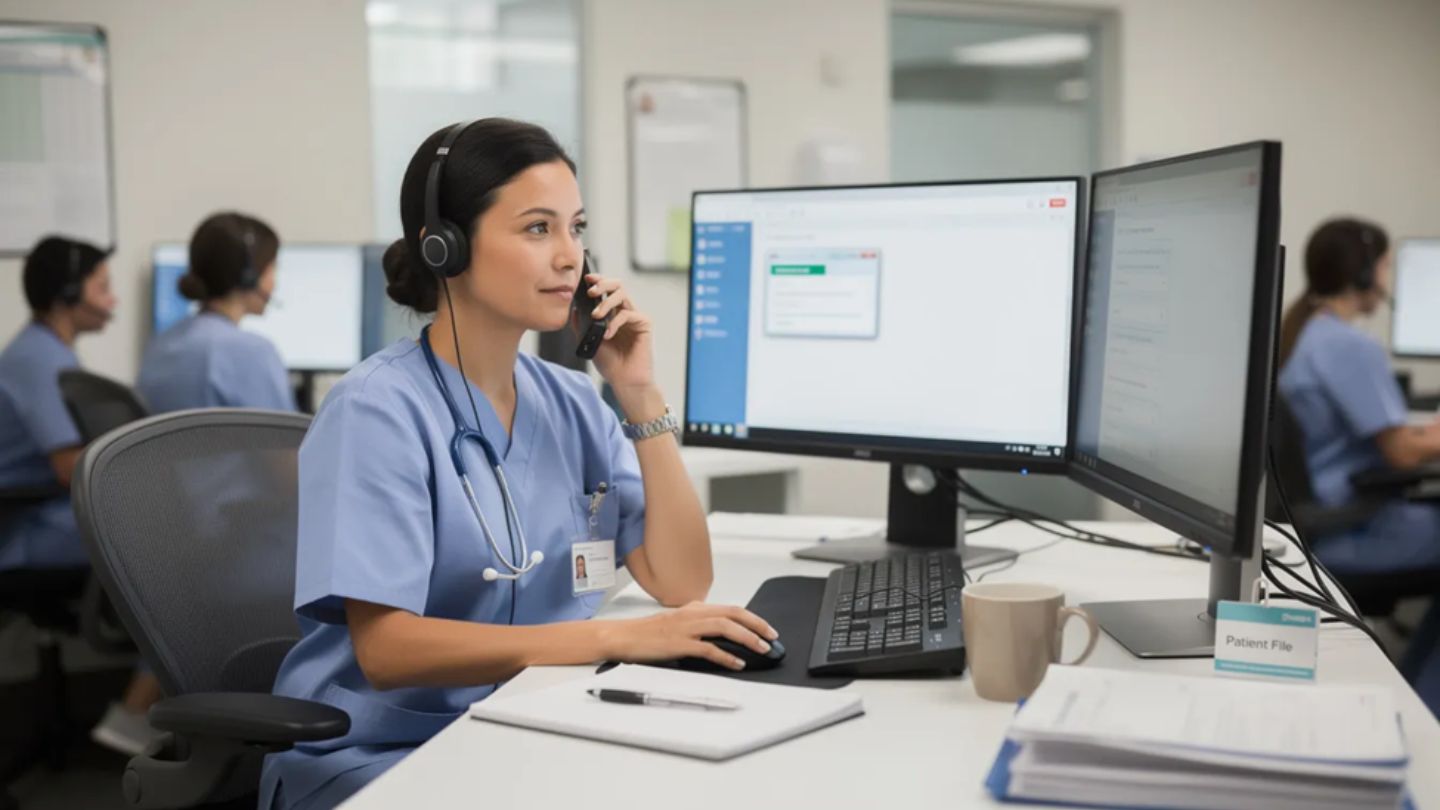
Nurse triage is a clinical process in which trained registered nurses assess patient concerns, evaluate symptoms, and determine appropriate levels of care. Unlike basic call-answering services, triage nurses conduct structured assessments using telephone interviews, clinical protocols, and professional judgment to gather medical histories, evaluate symptoms, and establish urgency.

These nurses serve as the first point of clinical contact, providing comprehensive symptom evaluation, patient education, and guidance on whether issues require emergency intervention, urgent care, or routine follow-up. They coordinate referrals, support chronic disease management, and ensure patients receive the right care at the right time based on evidence-based protocols.

Modern telehealth tools, such as secure video, digital intake forms, symptom checkers, and EHR integration, have expanded triage capabilities and improved decision-making. The hallmark of professional nurse triage is clinician-led assessment: experienced nurses use critical thinking and medical expertise rather than scripted responses, ensuring safe, accurate evaluations that support patient safety and reduce provider liability.

How Nurse Triage Reduces After-Hours Workload

Reduces Volume of Calls Escalated to Providers

Nurse triage services dramatically reduce the number of patient calls that require direct provider attention. Experienced triage nurses handle the majority of routine patient concerns independently, using structured protocols and clinical expertise to provide safe, appropriate guidance without provider involvement.

Common patient calls that triage nurses manage independently include minor symptom evaluation for conditions like colds, minor injuries, or digestive issues. These situations often require reassurance, basic first aid guidance, or over-the-counter medication recommendations; areas where trained nurses excel. Medication education calls represent another significant category, where patients need clarification about dosing, side effects, or drug interactions that don’t require prescription changes. Recognizing how triage nurses streamline patient flow is supported by the structured approach used in the medical call center triage process, which reinforces consistency in handling diverse patient concerns.

Prioritizes Urgent Issues So Providers Focus on What Matters

When nurse triage escalates cases to providers, the process ensures only genuinely urgent or complex issues receive immediate attention. Triage nurses use standardized assessment protocols to identify red flag symptoms that indicate serious medical emergencies requiring prompt physician intervention.

The systematic approach to prioritization helps providers focus their limited after-hours availability on patients who truly need their expertise. Rather than sorting through mixed lists of urgent and routine concerns, providers receive pre-assessed, prioritized cases with comprehensive background information already collected by triage nurses.

Provides Consistent, Standardized Clinical Assessment

Professional nurse triage services utilize evidence-based protocols and standardized assessment tools to ensure consistent, high-quality patient evaluations. These structured approaches, such as Schmitt-Thompson telephone triage protocols, provide comprehensive decision trees for evaluating common symptoms and determining appropriate care recommendations.

Standardized protocols reduce variability in patient guidance and minimize the risk of important clinical information being overlooked during assessments. Triage nurses follow established questioning sequences that systematically evaluate symptom characteristics, associated risk factors, and patient medical history relevant to each clinical presentation.

Enhances Patient Satisfaction & Reduces Repeat Outreach

Timely, professional responses from trained triage nurses significantly improve patient experience and reduce the likelihood of repeated contact attempts. Patients appreciate receiving prompt attention from qualified healthcare professionals who can address their concerns with clinical expertise and empathy.

Comprehensive patient education during triage encounters helps patients understand their symptoms, manage their concerns effectively, and make informed decisions about seeking additional care. When patients receive detailed explanations and clear guidance, they feel more confident about their health status and are less likely to contact the practice repeatedly with the same concerns.

Technology and Nurse Triage

Technology and Nurse Triage

Technology greatly enhances the effectiveness of nurse triage by streamlining communication, improving clinical decision-making, and supporting efficient care coordination. Integrated platforms give triage nurses access to comprehensive patient data, structured documentation tools, and smooth handoff workflows that strengthen both accuracy and continuity of care.

Secure messaging systems enable HIPAA-compliant communication, allowing nurses to deliver written instructions, answer questions, and coordinate follow-up care safely. Decision-support tools, such as advanced symptom checkers and evidence-based clinical algorithms, standardize assessments while reinforcing clinical judgment, helping nurses confidently manage both routine and complex patient scenarios.

EHR integration, automated documentation, and digital intake forms further optimize triage workflows. Access to complete medical histories and medication lists supports safer and more informed recommendations, while automated note routing keeps providers aware of all patient interactions. Digital questionnaires ensure nurses begin each encounter with essential information already collected, enabling more focused and efficient clinical assessment.

Implementation and Best Practices: Key Points

Planning & Staffing

  • Effective nurse triage implementation requires intentional planning and alignment with existing workflows.
  • Adequate staffing is essential for 24/7 coverage; call volumes vary by time of day and season.
  • Registered nurses with telephone triage training and strong clinical assessment skills yield the best outcomes.

Protocol Development & Training

  • Standardized, evidence-based protocols ensure safe and consistent patient care.
  • Training should cover symptom assessment, communication techniques, documentation standards, and emergency escalation.
  • Ongoing education keeps triage nurses current with evolving best practices and updated clinical guidelines.

Integration with Patient Communication Channels

  • Triage should be accessible through phone, secure messaging, and patient portals to match patient preferences.
  • Seamless integration across channels ensures consistent service and reduces workflow gaps.

Feedback Loops & Quality Improvement

  • Regular provider–nurse case reviews strengthen clinical oversight and foster continuous quality improvement.
  • Tracking outcomes and reviewing difficult cases helps refine protocols and triage decision-making.

Technology Integration

  • Systems should integrate cleanly with EHRs, support secure communication, and automate documentation workflows.
  • Robust analytics capabilities enable monitoring of call volume, response times, and clinical outcomes for ongoing optimization.

Quality Assurance

  • Monitoring call handling times, escalation rates, satisfaction scores, and clinical outcomes ensures consistent service quality.
  • QA programs demonstrate the value of triage investments and maintain high performance standards.

Final Thoughts

Nurse triage plays a pivotal role in easing the growing strain on clinicians by filtering routine patient concerns, escalating only urgent issues, and ensuring consistent, high-quality assessments. By reducing unnecessary interruptions and improving patient guidance, it meaningfully lowers the after-hours workload for providers while enhancing safety and satisfaction.

At Guideway Care, we help healthcare organizations streamline operations through our comprehensive after-hours nurse triage services. Our solutions empower practices to improve patient access, reduce provider burden, and maintain high-quality care even during off-hours. We offer the tools and expertise needed to create a more efficient, patient-centered workflow. We also support healthcare ERM CRM integration, insurance verification, and patient care coordination to strengthen every step of the patient journey. Take the next step with us. Discover how our triage, communication, and patient engagement solutions can transform your care delivery workflow.


What Is Nurse Triage and How Can It Benefit Your Practice

What Is Nurse Triage and How Can It Benefit Your Practice

Nurse triage has become an essential component of modern healthcare, helping practices manage increasing patient demands while protecting clinical resources. As more patients seek immediate guidance for symptoms, medications, and urgent concerns, practices must find safe and efficient ways to provide timely support. Trained triage nurses play a crucial role in improving patient outcomes, reducing administrative burden, and enhancing overall care quality. Their expertise ensures patients receive the right level of care at the right time, strengthening both safety and satisfaction. In this blog, we’ll explore how nurse triage works and the powerful benefits it brings to medical practices.

Key Takeaways

  • Nurse triage provides clinically accurate symptom assessment using evidence-based protocols, ensuring patients receive safe, timely guidance that administrative staff cannot provide.
  • Medical practices reduce call volume and workflow disruptions by routing all symptom-related inquiries to trained nurses, improving provider efficiency and lowering burnout.
  • Triage nurses enhance appointment scheduling accuracy, ensuring patients are booked based on clinical urgency rather than guesswork, leading to better resource utilization.
  • Outsourced nurse triage services offer cost-effective 24/7 coverage, eliminating the need for practices to recruit, train, and staff internal triage teams.
  • Improved patient satisfaction and retention result from prompt clinical support, strengthening practice reputation and contributing to sustained growth.

What Is Nurse Triage?

Nurse triage is a clinical assessment process performed by trained registered nurses who use evidence-based protocols to evaluate patient symptoms, determine urgency, and recommend the appropriate level of care. Unlike call center or front office staff, triage nurses have the clinical expertise required to assess medical concerns safely and accurately.

This process involves gathering detailed symptoms and medical history, applying standardized decision-making tools, and directing patients toward self-care, routine appointments, urgent care, or emergency services. These protocols ensure consistent, defensible, and safety-focused clinical recommendations.

Medical practices can implement nurse triage through in-house staff, outsourced clinical call centers, or hybrid models. In-house teams offer personalized care but require significant resources, while outsourced services provide 24/7 coverage without operational burden. Regardless of the model, triage nurses differ from administrative staff in their ability to clinically assess symptoms and guide appropriate next steps.

Why Nurse Triage Matters in Today’s Healthcare Environment

  • Patient volume continues to rise while clinical staffing remains limited, increasing pressure on practices to manage more calls and medical inquiries with fewer resources.
  • Modern patients expect rapid access to clinical guidance, especially during evenings and weekends, yet many practices lack reliable systems for after-hours support.
  • Inadequate triage processes lead patients to seek care in inappropriate settings, driving up healthcare costs and reducing overall satisfaction.
  • Ongoing staffing shortages leave front office teams overwhelmed by symptom-related questions they are not trained or legally qualified to assess, creating safety and liability risks.
  • Providers face constant workflow disruptions when clinical calls aren’t structured, reducing efficiency, increasing burnout, and limiting time available for direct patient care.
  • Rising medicolegal risk and documentation requirements make standardized, professional symptom assessment essential for protecting both patients and healthcare practices.

How Nurse Triage Works (Step-by-Step)

  • Patient contacts the service via phone, patient portal message, SMS, or call center; contact details and reason for the call are recorded.
  • Initial verification;  triage nurse confirms patient identity, location, and basic demographics to ensure safe follow-up and possible emergency dispatch.
  • Chief complaint capture;  nurse asks the patient to describe the primary symptom or concern in their own words.
  • Systematic symptom history;  using structured questioning, the nurse collects onset, severity, duration, associated symptoms, and relevant medical history.
  • Risk assessment & red-flag screening;  nurse runs targeted questions from evidence-based protocols to identify urgent or life-threatening signs.
  • Clinical decision using protocols;  the nurse applies standardized algorithms to determine urgency and appropriate disposition.
  • Care recommendation & instructions;  nurse provides tailored guidance: home care steps, urgent care referral, same-day appointment scheduling, or immediate ED transfer.
  • Escalation if needed;  for emergencies or unclear cases, the nurse activates emergency services or consults an on-call clinician.
  • Documentation & communication;  the entire encounter, assessment, and disposition are documented and transmitted to the practice EHR or via secure messaging.
  • Follow-up & continuity;  nurse advises on expected course, warning signs, and recommended follow-up; some services offer outbound follow-up checks if required.

Key Benefits of Nurse Triage for Your Practice

Improved Patient Safety & Better Clinical Outcomes

When qualified registered nurses handle symptom assessment calls, the quality and consistency of clinical guidance improve dramatically compared to advice provided by non-clinical staff. Trained triage nurses follow evidence-based protocols designed to identify serious conditions early and ensure appropriate medical care is accessed promptly.

This professional assessment capability helps prevent medical errors that can occur when untrained personnel attempt to provide clinical guidance. Triage nurses understand the importance of identifying red flag symptoms that require immediate attention while also recognizing when patients can safely manage conditions at home with proper education and monitoring instructions. Understanding how medical call centers support clinical decision-making becomes clearer when considering the role of the medical call center emergency triage process, which enhances timely assessment and appropriate care routing.

Reduced Call Burden on Front Office and Providers

One of the most immediate benefits experienced by practices with nurse triage is the significant reduction in clinical calls handled by front office staff and direct interruptions to physicians and nurse practitioners. Administrative teams can focus on scheduling, billing, and other non-clinical functions while trained nurses manage all symptom-related inquiries.

This separation of clinical and administrative functions improves efficiency throughout the practice. Physicians and other providers can concentrate on direct patient care without constant interruptions from phone calls requiring clinical assessment. The result is improved productivity and reduced burnout among clinical staff who previously managed both in-person patients and telephone consultations simultaneously.

More Efficient Appointment Scheduling

Nurse triage services dramatically improve appointment scheduling efficiency by ensuring patients are routed to the right type of visit based on clinical need rather than patient preference or on a first-come, first-served basis. Triage nurses can determine whether patients need same-day urgent appointments, routine follow-up visits, virtual consultations, or care in other settings entirely.

This clinical assessment before scheduling reduces inappropriate bookings and helps optimize provider schedules for maximum efficiency. Same-day appointment slots can be reserved for patients with genuine urgent needs, while routine concerns are scheduled appropriately into future availability.

Increased Patient Satisfaction & Loyalty

Patients consistently report higher satisfaction when they receive immediate attention from qualified clinical professionals, even for after-hours concerns. The ability to speak with a registered nurse who can provide expert guidance creates confidence and reduces anxiety associated with medical symptoms and health concerns.

Professional clinical support builds trust between patients and the practice, demonstrating commitment to patient care that extends beyond traditional office hours. This enhanced responsiveness strengthens the patient-provider relationship and often leads to increased loyalty and positive word-of-mouth referrals.

Better Care Coordination & Documentation

Every nurse triage interaction is thoroughly documented and integrated into the patient’s medical record, providing comprehensive documentation of all clinical assessments and recommendations. This detailed record-keeping creates a valuable “paper trail” that supports continuity of care and meets medicolegal documentation requirements.

The structured documentation provided by triage nurses includes symptom details, assessment findings, recommendations given, and any follow-up instructions provided to the patient. This information helps primary care providers understand patient concerns and any interventions that have already been recommended.

Cost Savings for the Practice

Implementing nurse triage services often costs significantly less than hiring and training additional clinical staff to handle increased call volumes. Practices avoid expenses associated with recruiting, onboarding, benefits, and ongoing supervision of additional internal nursing staff while still receiving professional clinical support.

The service helps reduce unnecessary emergency room visits, which provides cost savings for both patients and provider groups participating in value-based care arrangements. When patients receive appropriate guidance about where to seek care, overall healthcare costs decrease while satisfaction improves.

24/7 Availability Without Expanding Staff

24/7 Availability Without Expanding Staff

Round-the-clock clinical support becomes accessible without the significant expense of maintaining on-call physicians or paying overtime to internal nursing staff. Patients receive professional guidance whenever they need it, while practices avoid the complexity and cost of 24-hour staffing models.

This continuous availability proves particularly beneficial for primary care practices, specialists with high-acuity patient populations, and multi-location medical groups. Specialties such as bariatrics, orthopedics, neurology, and cardiology often have patients with complex post-procedural needs that benefit from immediate access to clinical guidance.

Who Benefits Most from Nurse Triage?

  • Busy clinics with high call volumes gain immediate relief from managing large numbers of daily patient inquiries related to symptoms, medications, and care decisions.
  • Bariatric and surgical practices benefit greatly, as their post-operative patients often need ongoing, clinically informed guidance
  • Specialty clinics such as oncology, cardiology, neurology, and orthopedics rely on triage nurses to address complex, condition-specific questions that administrative staff are not equipped to handle.
  • Multi-site medical groups and health systems can centralize clinical communication, ensuring consistent triage quality, documentation, and patient experience across all locations.
  • Practices facing nurse shortages or long patient wait times find triage services a fast, effective solution that supports patient retention without the delays of hiring and training new clinical staff.

In-House vs. Outsourced Nurse Triage: What’s the Difference?

Choosing between in-house and outsourced nurse triage largely comes down to cost, staffing flexibility, and operational complexity. In-house triage requires recruiting, hiring, and training registered nurses, along with managing ongoing education, protocol updates, scheduling, and quality assurance. Practices must maintain enough staff to cover vacations, sick leave, and after-hours needs, making 24/7 coverage costly and difficult. Building internal systems for documentation, call reporting, and analytics also requires significant investment.

Outsourced nurse triage services, by contrast, offer a cost-effective and scalable alternative. These services eliminate hiring and training expenses while providing immediate access to fully trained clinical teams that follow evidence-based protocols. Outsourced models deliver built-in 24/7 coverage, standardized documentation, call analytics, and quality monitoring without additional operational burden on the practice. Many organizations choose partners for their reliability, healthcare expertise, and ability to seamlessly support patient engagement across diverse practice settings.

How Nurse Triage Enhances Practice Growth

How Nurse Triage Enhances Practice Growth

Nurse triage enhances practice growth by improving patient access and turning more inquiries into scheduled appointments and long-term patient relationships. When patients can reach qualified clinical professionals quickly, they gain confidence in the practice’s responsiveness and expertise. This strong first impression is especially valuable for new or prospective patients, who are more likely to choose and stay with a practice that provides immediate, clinically informed support instead of administrative answers.

As patient experiences improve, so does the practice’s reputation. Consistent, high-quality communication from triage nurses leads to better satisfaction scores, stronger online reviews, and more word-of-mouth referrals. This positive momentum increases patient loyalty, reduces attrition, and supports ongoing growth. Patients who feel heard and supported are far less likely to seek care elsewhere, ensuring stable revenue and a thriving, patient-centered practice.

Final Thoughts on Nurse Triage

Nurse triage plays a critical role in modern healthcare by improving patient safety, reducing provider workload, and ensuring patients receive timely, clinically accurate guidance. With rising patient demands and limited clinical resources, structured triage systems help practices enhance efficiency, strengthen care coordination, and deliver a more responsive patient experience.

As your practice looks to improve patient access and streamline clinical communication, Guideway Care offers a comprehensive nurse triage answering service designed to support growth, enhance patient satisfaction, and reduce operational strain. Our team provides seamless clinical guidance, efficient call handling, and reliable after-hours support tailored to your specialty and workflow needs. Empowering practices with stronger healthcare ERM CRM integration, more accurate insurance verification, and improved patient care coordination strengthens every step of the patient journey. Ready to elevate your clinical support? Explore how our triage solutions, digital engagement tools, and patient management services can help your practice operate more efficiently and deliver exceptional care.

Measuring the Impact of Multilingual Support on Patient Satisfaction

Measuring the Impact of Multilingual Support on Patient Satisfaction

In today’s increasingly diverse healthcare landscape, effective communication is more than a courtesy, it’s a cornerstone of quality care. As patient populations become more linguistically and culturally varied, healthcare providers face growing challenges in ensuring that every patient fully understands their diagnosis, treatment options, and care instructions. Language barriers can lead to frustration, anxiety, and even medical errors, ultimately diminishing patient satisfaction and outcomes.  

This blog explores how multilingual support can transform the patient experience by fostering clear communication, building trust, and improving overall care quality. We’ll examine measurable ways to assess its impact, from patient satisfaction surveys to real-world case studies, and highlight how healthcare organizations are successfully bridging language gaps. By understanding the profound role of multilingual services, healthcare providers can create a more inclusive environment that ensures every patient, regardless of language proficiency, receives the high-quality care they deserve.  

Key Takeaways

  • Multilingual support in healthcare is essential for improving patient satisfaction, reducing misunderstandings, and fostering trust, particularly among patients with limited English proficiency.
  • Effective communication in a patient’s preferred language minimizes the risk of medical errors and enhances adherence to treatment plans, leading to better health outcomes.
  • Regularly measuring patient satisfaction through multilingual surveys and feedback is crucial for refining multilingual support services and ensuring high standards of care.

The Importance of Multilingual Support in Healthcare

A significant portion of the U.S. population struggles with English proficiency, which creates substantial barriers to accessing healthcare services. Approximately 26 million adults in the U.S. have limited English proficiency, making it challenging for healthcare providers to deliver effective care. These language barriers can lead to misunderstandings, misdiagnoses, and ultimately poorer health outcomes. Health education and multilingual support are therefore not just a convenience but a necessity for ensuring that all patients receive the care they need.

Providing care in a patient’s preferred language significantly enhances communication, reduces misunderstandings, and fosters a sense of inclusion and trust. For instance, Spanish-speaking patients often feel more comfortable and understood when interacting with healthcare providers who speak their language. This level of comfort can lead to better adherence to treatment plans and more accurate reporting of symptoms, ultimately resulting in better health outcomes.

Healthcare organizations can utilize a variety of strategies to overcome healthcare language barriers, including:

  • Hiring bilingual staff
  • Using professional interpreters
  • Employing a bilingual nurse and other healthcare workers to bridge communication gaps and ensure patients fully understand their diagnoses and treatment options
  • Training medical professionals in basic medical language to enhance communication with non-English speaking patients in healthcare institutions.

Compliance with federal requirements also necessitates the provision of providing language access services. Comprehensive language access programs not only protect healthcare providers from discrimination lawsuits and regulatory penalties but also ensure that patients with limited English proficiency receive the necessary care.

Addressing these language barriers allows healthcare providers to significantly improve patient satisfaction, foster inclusion, and enhance patient care quality.

Enhancing Patient Communication and Understanding

Enhancing Patient Communication and Understanding

Clear communication is the cornerstone of effective healthcare delivery. When patients receive information in their preferred language, misunderstandings are significantly reduced, which in turn decreases the likelihood of medical errors. For example, health communication regarding medication usage or post-surgery care instructions increases the likelihood of correct adherence, preventing potentially dangerous mistakes.

Patients with limited English proficiency often experience anxiety when discussing their health concerns in a non-native language. This anxiety can hinder effective communication, leading to incomplete or inaccurate medical histories and poor adherence to treatment plans. Providing care in a patient’s native language not only alleviates this anxiety but also increases their active participation in treatment and health management.

Regularly analyzing patient feedback can reveal critical insights into how language barriers affect patient experiences. Surveys that include multilingual options can capture a more accurate picture of patient satisfaction and areas needing improvement. This feedback is invaluable for healthcare providers to continuously refine their multilingual support services, ensuring that clear and effective communication remains a priority in all patient interactions.

Building Trust through Language Concordance

Trust is a vital component of the patient-provider relationship, and language concordance plays a significant role in building this trust. When healthcare providers communicate in a patient’s native language, it fosters a sense of comfort and respect, making patients feel valued and understood. This trust is particularly evident among Spanish-speaking patients who report higher levels of trust when interacting with Spanish-speaking providers.

Cultural understanding, gained through multilingual support, enhances the personalization of patient care. Providers who understand the cultural context of their patients’ lives can offer more tailored and effective treatments. This cultural sensitivity, combined with language concordance, leads to better patient engagement and higher satisfaction compared to encounters using ad hoc interpreters.

Successful case studies demonstrate the profound impact of multilingual support on patient trust and care quality. For instance, patients who feel comfortable discussing sensitive topics in their preferred language are more likely to adhere to treatment recommendations. These positive patient experiences underline the importance of effective multilingual communication in healthcare settings.

Many healthcare organizations have recognized that having multilingual call center services allows them to maintain this trust even beyond in-person visits. These services ensure that patients can access care and communicate their needs effectively at any stage of their health journey. The growing emphasis on multilingual call centers for healthcare further supports this shift toward inclusive and patient-centered communication.

Read More: Bridging the Language Gap: Why Spanish Medical Call Centers Are Vital for U.S. Healthcare?

Measuring Patient Satisfaction with Multilingual Services

Measuring patient satisfaction with multilingual services is crucial for ensuring that these services are effective and continuously improving. Various methods, such as structured surveys and feedback forms, are essential tools for evaluating how well healthcare providers are meeting the needs of their diverse patient populations.

These assessments help identify areas for improvement and ensure that multilingual support is enhancing patient satisfaction and care quality.

Read More: How to Measure Patient Satisfaction in Healthcare

Patient Surveys and Feedback

Patient surveys and feedback are indispensable for healthcare organizations aiming to gauge the effectiveness of their multilingual support services. These surveys can capture patients’ perceptions of the language services provided, highlighting areas that need improvement and those that are working well. Understanding patient experiences enables healthcare providers to make informed decisions to enhance their multilingual support.

For instance, feedback from Spanish-speaking patients can reveal insights into how well the language services are meeting their needs and where adjustments might be necessary. This continuous loop of feedback and improvement is crucial for maintaining high standards of care and ensuring that all Spanish speakers feel understood and respected.

An essential aspect of patient feedback is its role in improving patient satisfaction and care quality. Actively seeking and incorporating patient feedback allows healthcare organizations to make targeted improvements that enhance the patient experience. This proactive approach not only addresses current issues but also anticipates future needs, ensuring that multilingual support remains effective and relevant.

Consistent evaluation and improvement strategies are a proven way to improve patient satisfaction in hospitals, especially when supported by multilingual programs that help patients feel heard and understood.

Read More: Your Quick and Simple Guide on How to Improve Patient Satisfaction in Hospitals

Analyzing Patient Satisfaction Scores

Effective language services have been shown to improve patient satisfaction scores. Analyzing trends in these scores helps healthcare providers identify specific areas needing enhancement in their multilingual support. This statistical analysis is crucial for making data-driven decisions that improve patient care and satisfaction.

For example, if patient satisfaction scores reveal consistent issues with communication during medical visits, healthcare organizations can focus on improving their interpreter services or training staff in cultural competence. This iterative process ensures that multilingual support continues to evolve and meet the needs of diverse patient populations effectively.

A deeper understanding of the importance of patient satisfaction and how to improve it reveals that clear communication in a patient’s native language is one of the most significant contributors to overall satisfaction and positive care outcomes.

Case Studies and Real-World Examples

One compelling case study highlighted a significant increase in patient satisfaction scores after implementing a multilingual helpline. This initiative provided patients with 24/7 access to interpreter service via phone and video, ensuring that language barriers did not impede their access to care. The result was a notable improvement in patient satisfaction and care quality.

Other successful multilingual support initiatives include multilingual text messaging for appointment reminders and AI tools for real-time translation. These technologies have been linked to increased patient and provider satisfaction, demonstrating their multilingual capabilities in overcoming language barriers and ensuring everyone speaks the same language.

The adoption of online translation tools in healthcare settings has also led to measurable improvements in patient care and satisfaction. These tools enhance communication, reduce misunderstandings, and ensure that patients receive accurate information about their health and treatment options.

These real-world examples underscore the importance and effectiveness of multilingual support in healthcare.

Read More: How a Patient Access Call Center Improves 24/7 Care and Patient Satisfaction

Impact on Health Outcomes and Patient Safety

Impact on Health Outcomes and Patient Safety

Language barriers can have severe consequences on patient safety and health outcomes. Misunderstandings in medication usage, for instance, can lead to dangerous dosing errors or adverse drug events. These communication barriers increase the likelihood of medical errors, posing significant risks to patient safety.

Receiving care in a patient’s preferred language leads to a better understanding of conditions and treatment plans, which in turn improves health outcomes. Patients who comprehend their medical instructions are more likely to adhere to treatment regimens and follow preventive measures, ultimately leading to better health outcomes. Language assistance is therefore vital for ensuring patient safety and effective healthcare delivery, as it helps bridge communication gaps in the patient’s language.

Multilingual patient support not only reduces the risk of medical errors but also enhances overall patient engagement and compliance. Patients who feel understood and respected are more likely to trust their healthcare providers and actively participate in their own care. Trust and engagement play a vital role in achieving improved health outcomes. They are also essential for ensuring patient safety.

Overall, multilingual support in healthcare settings leads to improved patient safety, better health outcomes, and enhanced patient satisfaction. Addressing language barriers ensures that all patients receive the quality care they deserve, regardless of their language proficiency.

Read More: Understanding the Difference Between Patient Satisfaction vs. Patient Experience

Overcoming Challenges in Providing Multilingual Support

Providing multilingual support in healthcare comes with its own set of challenges, including financial constraints, insufficient training, and a lack of resources. However, addressing these challenges is essential for ensuring that patients receive care in their preferred language and for improving overall patient satisfaction.

Strategies such as:

  • Securing funding
  • Providing cultural competency training
  • Leveraging technology can help healthcare organizations overcome these obstacles and deliver effective multilingual support.

Resource Allocation and Funding

Healthcare organizations often face budget strains when trying to provide effective multilingual support. The costs associated with interpreter services and professional interpretation services can be substantial, making it challenging to allocate the necessary resources. However, securing adequate funding is essential for enhancing and maintaining these services.

Allocating resources for multilingual support ultimately leads to improved patient satisfaction and higher care quality. Investing in these services ensures that all patients, including migrant and refugee families, have access to the care they need, regardless of language barriers. This investment not only improves patient outcomes but also enhances the overall effectiveness of the healthcare system.

Training Healthcare Staff

Cultural competency training is crucial for healthcare providers to effectively communicate with diverse patient populations. Key aspects include:

  • Understanding the cultural context of patients’ lives to offer more personalized and effective treatments.
  • Training healthcare staff in cultural competence.
  • Training healthcare staff in second languages to improve care for limited English proficient (LEP) patients.

Effective patient surveys should also be designed in multiple languages to accurately capture feedback from diverse patient populations. This approach ensures that healthcare providers serve diverse patient populations by receiving comprehensive insights into patient experiences and can make informed decisions to enhance multilingual support and overall patient care.

Read More: How To Increase Patient Engagement with Patient Portals

Leveraging Technology for Multilingual Communication

Advancements in technology offer promising solutions for enhancing multilingual communication in healthcare. These include:

  • AI-driven translation tools that improve communication with limited English proficient patients.
  • Workflow automation that reduces costs and improves workflow efficiency.
  • Integration of these tools into Electronic Health Records (EHRs) and patient scheduling systems to help healthcare providers communicate effectively with multilingual patients.

AI-powered clinical documentation tools can translate and write notes in multiple languages, enhancing communication with diverse patient populations. These tools ensure that patients receive accurate and understandable information about their health and treatment options, improving overall care quality.

Healthcare providers are increasingly using agentic AI platforms. These tools help improve communication with diverse patient populations. These platforms offer scalable multilingual support, ensuring culturally sensitive interactions and enhancing patient satisfaction.

Final Thoughts

Providing multilingual support in healthcare is vital for bridging communication gaps, improving patient satisfaction, and ensuring equitable access to quality care. When patients receive care in their preferred language, it enhances understanding, builds trust, and reduces the risk of medical errors. By integrating language access services, healthcare organizations can deliver safer, more inclusive, and higher-quality care to diverse patient populations. Measuring patient satisfaction, analyzing feedback, and implementing continuous improvements are key to sustaining these positive outcomes in the long term.

Guideway Care, one of the leading medical call center companies, exemplifies how technology-driven solutions can enhance communication and patient engagement across healthcare systems. Through its innovative services, including medical health website design, digital marketing, advertising, and healthcare CRM and EMR integration, we empower providers to connect with patients more effectively, streamline care coordination, and deliver multilingual support with efficiency and compassion. By combining advanced communication tools with patient-centered strategies, we empower to set the standard for improving patient satisfaction, engagement, and health outcomes in an increasingly diverse healthcare environment.

Navigating Healthcare Call Centers Compliance and Security Challenges

Navigating Healthcare Call Centers Compliance and Security Challenges

In today’s rapidly evolving healthcare landscape, call centers play a critical role as the first point of contact between patients and providers. As patient expectations rise and digital communication expands, maintaining strict compliance and data security standards has become more challenging and more essential than ever. Healthcare call centers must navigate complex regulations such as HIPAA and GDPR, ensuring every patient interaction remains secure, compliant, and confidential.  

The growing threat of data breaches, combined with increasingly sophisticated cyberattacks, has placed immense pressure on healthcare organizations to strengthen their security infrastructure. At the same time, balancing operational efficiency, patient satisfaction, and regulatory compliance requires a strategic approach that blends technology, training, and transparency. This blog explores the top compliance and security challenges healthcare call centers face in 2025 and outlines practical, technology-driven solutions to help organizations protect patient data, maintain regulatory integrity, and deliver exceptional patient experiences.

Key Takeaways

  • Healthcare call centers must ensure compliance with regulations like HIPAA and GDPR to protect patient information and avoid legal repercussions.
  • Implementing advanced technologies, such as AI and encryption, is crucial for enhancing data security and preventing breaches in healthcare call centers.
  • Regular training and compliance audits are essential for maintaining adherence to regulations and improving patient satisfaction in healthcare call centers.

Understanding Healthcare Call Center Compliance

Compliance forms the foundation of trust in the healthcare industry, ensuring lawful patient interactions that safeguard privacy and organizational integrity. Healthcare call centers must adhere to numerous federal, state, and local compliance regulations designed to protect patient information and ensure quality care.

Due to the sensitive nature of personal health information, healthcare call centers face unique risks. Compliance with regulations like the Health Insurance Portability and Accountability Act (HIPAA) and the Telephone Consumer Protection Act (TCPA) is essential for managing and protecting patient data. As regulations evolve, ongoing updates and training are crucial.

Maintaining compliance requires implementing robust policies and procedures aligned with complex regulations, including compliance requirements and call center compliance regulations. This includes understanding requirements, proactively managing compliance risks, and ensuring that call center agents are well-informed about these regulations, particularly regarding contact center compliance, to maintain compliance.

Many organizations face these compliance hurdles while also navigating the broader healthcare call center challenges that come with managing patient interactions, technology integration, and workforce performance. Recognizing and addressing these challenges early helps build stronger, more compliant call center operations.

HIPAA Compliance Essentials

The Health Insurance Portability and Accountability Act (HIPAA), established in 1996, is the cornerstone of data protection in healthcare. It mandates the protection and confidential handling of protected health information (PHI). For healthcare call centers, adhering to HIPAA compliance is crucial to safeguarding patient trust and avoiding significant fines and legal repercussions.

Preventing unauthorized access or disclosure of PHI is a major challenge. Utilizing strong encryption for electronic protected health information (ePHI), stringent security measures, and secure cloud storage solutions are critical steps for compliance.

Training call center agents comprehensively in HIPAA compliance, medical terminology, and emergency protocols enhances overall compliance and data security.

Strong policies and clear communication protocols are essential elements of medical call center security, ensuring that every exchange of patient data remains confidential and protected from unauthorized access.

GDPR and Global Data Protection

The General Data Protection Regulation (GDPR) is a stringent data protection law implemented in the European Union, mandating strict guidelines for the collection and processing of personal information. For healthcare call centers handling patient data across borders, compliance with GDPR is not just a legal obligation but a critical component in maintaining patient trust and avoiding hefty fines.

GDPR compliance requires obtaining explicit consent before processing data, ensuring data portability, and maintaining transparency in data handling. Adhering to GDPR helps protect patient data and enhances patient satisfaction.

Key Security Challenges in Healthcare Call Centers

Key Security Challenges in Healthcare Call Centers

Healthcare call centers operate in a highly regulated environment, facing significant compliance and security challenges. The consequences of non-compliance can be severe, including substantial fines, reputational damage, and even business shutdowns. Moreover, the healthcare sector experiences the highest rates of data breaches globally, posing a significant financial risk for any healthcare organization.

Mitigating risks related to communication channels and patient privacy is a primary challenge when handling sensitive information. The complexity of data security increases with telehealth services and remote patient monitoring, necessitating vigilant risk management and advanced security measures. Addressing gaps in security protocols, training, and compliance measures is essential for ensuring data privacy.

Advanced technologies are vital for improving operational security in healthcare call centers. Leveraging these technologies helps streamline data protection and compliance processes, reducing the risk of data breaches and enhancing overall security through health information technology.

Preventing Data Breaches

Data breaches are a significant concern in the healthcare industry, with the sector experiencing the highest breach rates globally. Implementing end-to-end encryption for secure communication channels is essential for mitigating data breach risks. Network segmentation enhances data protection by restricting unauthorized access within the network.

Advanced technologies like AI tools and automated speech recognition systems significantly enhance compliance monitoring and data protection. These technologies identify compliance issues by analyzing call data and flagging deviations from regulatory standards, helping prevent future violations.

A strong understanding of healthcare integration challenges, such as securely connecting CRM and EMR systems, is also key to reducing risks. Effective integration ensures smoother information flow while maintaining high standards of data privacy and compliance.

Managing Access Controls

Effective access controls are crucial for safeguarding sensitive patient information. Key components include:

  • Role-based access controls ensure only authorized staff access sensitive data, protecting patient privacy.
  • Regular reviews of permissions prevent unauthorized access.
  • Ensuring access is limited to necessary personnel.

Robust access controls enhance data security and ensure regulatory compliance. Continuous review and update of access permissions help maintain a secure environment and protect patient data effectively.

Best Practices for Maintaining Compliance

Best Practices for Maintaining Compliance

A proactive approach and best practices are essential for maintaining compliance in healthcare call centers. Regular audits, continuous training, and compliance-focused software play key roles. Healthcare leaders should integrate patient-centric communication, efficiency, and adherence to regulations like HIPAA into their strategies.

Regular audits and risk assessments are crucial for maintaining compliance. Continuous evaluation and adaptation to evolving regulations help sustain compliance in healthcare contact centers, ensuring regulatory adherence and improving patient care outcomes.

Read More: Top Strategies: How Healthcare Call Centers Prepare for High-Volume Seasonal Spikes

Regular Compliance Audits

Regular compliance audits are critical for systematically monitoring and addressing compliance issues in healthcare call centers. These audits help organizations stay ahead of regulatory changes by identifying necessary updates in compliance measures.

Regular audits of data storage systems can identify vulnerabilities and ensure compliance with security standards. Overall, these audits play a crucial role in mitigating compliance risks and ensuring the protection of patient information.

Comprehensive Training Programs

Regular training for healthcare call center agents is essential for:

  • Secure data handling
  • Ensuring adherence to HIPAA to prevent unauthorized access to patient data
  • Achieving transparency and compliance in every customer interaction through comprehensive training programs.

Regular cybersecurity training for staff reduces the likelihood of human errors leading to data breaches. Ongoing training in medical terminology and emergency protocols ensures agent preparedness and enhances compliance.

Leveraging Advanced Technologies for Enhanced Security

Advanced technologies significantly enhance security and compliance in healthcare call centers. Leveraging these technologies improves call efficiency, patient care, and data protection. AI support and CRM tools, for instance, enhance call routing and streamline data management, leading to more efficient operations.

IVR systems and CRM tools help agents quickly access patient information, resulting in timely assistance and reduced errors. These technologies improve operational efficiency and ensure compliance with regulatory requirements.

Read More: Medical Call Center Security: A Guide to Keeping Your Data Safe

AI and Machine Learning

AI and machine learning are crucial for maintaining compliance in healthcare call centers. AI-driven software provides monitoring tools and compliance checks for agent interactions. Real-time call analytics can flag potential consent violations for immediate review, ensuring adherence to compliance.

Quality assurance (QA) software provides real-time performance monitoring, automates alerts for violations, and enables proactive responses to compliance issues. These AI-driven tools support call center agents by analyzing calls in real-time, offering suggestions, and identifying recurring compliance problems.

Read More: What You Should Know About AI Powered Contact Centers

Secure Communication Channels

Secure communication channels are essential for protecting sensitive patient data during interactions. End-to-end encryption ensures the confidentiality of patient information during calls, minimizing data breach risks and enhancing patient trust.

Maintaining secure communication protocols is crucial for protecting patient privacy and data. Implementing robust security measures ensures clear and secure patient communication in healthcare call centers.

Improving Patient Satisfaction Through Compliance

Compliance directly impacts patient satisfaction in healthcare call centers. Establishing clear protocols for managing urgent and non-urgent calls ensures timely patient care. Quick, empathetic, and efficient service is key to improving customer interactions and customer satisfaction.

Healthcare call centers are the first point of contact for patient concerns and inquiries, making them crucial for patient satisfaction. Upgrading to modern technologies enhances efficiency and patient communication in healthcare centers, thereby improving overall satisfaction in the contact center.

Transparent Communication

Clear communication within compliance policies is vital to ensure that all team members understand their roles. Transparent communication helps patients understand their care, which directly impacts their overall satisfaction.

Secure channels build patient trust by ensuring their personal health information remains confidential. Partnering with a specialized medical call answering service ensures trained professionals manage patient interactions, guaranteeing skillful and compliant handling.

Efficient Call Handling

Efficient call handling reduces patient frustration and enhances their overall experience. AI significantly reduces call handling times and improves service accuracy by assisting agents with real-time information.

Outsourcing call reception to medical answering services reduces the burden on in-house staff and ensures timely responses to patient inquiries, leading to improved operational efficiency and patient satisfaction.

Read More: Revolutionizing Patient Support: How AI Enhances Healthcare Call Center Operations

Outsourcing to Medical Answering Services

Outsourcing call reception to specialized medical answering services helps healthcare facilities improve compliance and efficiently manage patient inquiries and patient calls. These services offer online appointment scheduling and 24/7 availability, ensuring patients receive timely assistance anytime.

By leveraging specialized knowledge, trained professionals can accurately and compliantly handle patient inquiries, delivering exceptional customer service and improving patient satisfaction.

24/7 Availability

Having a 24/7 answering service enhances patient convenience by:

  • Ensuring they can receive assistance at any hour
  • Providing constant patient support at all hours, including weekends and holidays
  • Guaranteeing that no calls go unanswered while scheduling appointments

Providing 24/7 availability is critical for patient satisfaction and enhances the overall patient experience. Continuous support builds trust and reliability in healthcare service quality.

Read More: How a Patient Access Call Center Improves 24/7 Care and Patient Satisfaction

Specialized Knowledge

Outsourcing call reception to a specialized medical answering service allows healthcare organizations to leverage the expertise of medical professionals for accurate patient inquiry handling. Trained staff knowledgeable in medical queries ensure compliance with healthcare regulations while addressing patient concerns.

Utilizing specialized knowledge from medical professionals and healthcare providers enhances compliance and patient satisfaction through accurate, timely responses. This approach ensures patients receive timely assistance, improving overall patient care.

Final Thoughts

Navigating the complex landscape of healthcare call center compliance and security in 2025 requires a proactive, technology-driven approach. From meeting stringent regulations like HIPAA and GDPR to implementing robust data protection and staff training programs, healthcare organizations must stay ahead of evolving compliance demands. Leveraging advanced technologies such as AI-driven monitoring, encryption, and CRM tools helps prevent data breaches while improving call efficiency and patient satisfaction. Regular audits, comprehensive agent training, and secure communication protocols remain essential best practices for maintaining patient trust and ensuring consistent regulatory adherence across all operations.

At Guideway Care, one of the leading healthcare call center companies, we understand the challenges of balancing compliance, data security, and patient engagement. Our comprehensive solutions, ranging from medical health website design and digital marketing to healthcare CRM and EMR integration, are designed to help healthcare organizations streamline communication, improve operational efficiency, and enhance patient experiences. By partnering with us, your organization can strengthen compliance, optimize workflows, and deliver exceptional patient-centered care that builds lasting trust.  

Healthcare Hashtags to Help You Increase Engagement on Social Media: A Guide

Healthcare Hashtags to Help You Increase Engagement on Social Media: A Guide

Social media has become a cornerstone of modern healthcare marketing, providing an accessible platform to share information, build trust, and strengthen patient relationships. The right healthcare hashtags can amplify your content’s reach, boost visibility, and connect you with relevant audiences across platforms like LinkedIn, Instagram, and X (formerly Twitter). Understanding how to use hashtags for health and wellness strategically is key to driving engagement and promoting meaningful conversations around your organization’s mission.

Which Social Media Platforms Should You Use?

Hashtags act as digital signposts that group similar content together, making it easier for users to discover information that aligns with their interests. In healthcare, they serve as tools for awareness, education, and patient engagement. By adding the right hashtags for healthcare to your posts, you’re not just categorizing content, you’re joining a global conversation about wellness, innovation, and medical progress.

Hashtags also help healthcare brands remain visible during key events, health awareness months, and industry discussions. When executed effectively, a single tag like #PatientCare or #HealthAwareness can significantly boost impressions and user interaction. Understanding the fundamentals behind healthcare hashtags and how to use them can help you create focused strategies that connect your message with the right audience and strengthen online visibility.

Which Social Media Platforms Should You Use?

Every platform interacts with hashtags differently, so understanding these nuances ensures your efforts generate results:

  • LinkedIn: Use healthcare hashtags LinkedIn to connect with professionals, share thought leadership content, and highlight medical innovations. They position your organization as a credible voice in the industry.
  • Instagram: Visual storytelling thrives here. Pair images or short videos with healthcare hashtags Instagram and popular health hashtags Instagram to attract patients, advocates, and health-conscious audiences.
  • Twitter/X: This platform is ideal for live updates, public health discussions, and trend-based participation. Keep your hashtags concise and timely for maximum visibility.

Each network has unique user behavior; what performs well on Instagram may not resonate on LinkedIn, so always tailor your approach to the platform’s audience. Exploring different approaches to healthcare hashtags can help you increase engagement on social media can also refine your content planning, ensuring every post resonates with the audience on its intended platform.

How to Choose the Right Healthcare Hashtags

How to Choose the Right Healthcare Hashtags

1. Choose Hashtags Specific to Your Healthcare Organization

Selecting tags relevant to your brand helps distinguish your identity in a crowded market. Use top healthcare hashtags for engagement such as #TelehealthSolutions or #HealthcareInnovation to attract professionals and patients interested in your field. Branded hashtags also create consistency across your campaigns and encourage user-generated content.

2. Use Keywords That People Would Use When Searching for Health Information

When posting about patient education or wellness campaigns, incorporate best hashtags for health and wellness like #HealthyLiving, #MindfulEating, or #WellnessTips. These terms align with high search intent and boost your discoverability among users actively looking for health guidance.

3. Keep Hashtags Short, Relevant, and Easy to Remember

Shorter hashtags are easier to read and share. Avoid unnecessary complexity or long phrases. Remember, simplicity drives repetition, and repetition builds visibility. Stick to concise, relevant tags like #HealthGoals or #CareWithCompassion.

4. Experiment and Test for Performance

Social media algorithms reward consistency and experimentation. Regularly analyze post performance to determine which tags deliver the most interaction. Focusing on healthcare hashtags with most engagement on social media helps you identify the combinations that yield the highest ROI. Adjust your mix as trends shift throughout the year.

Compliance and Professional Considerations

In healthcare, accuracy and ethics come first. While hashtags can humanize your brand, ensure they don’t compromise confidentiality or violate HIPAA standards. Avoid using names, identifiable patient details, or disease-specific tags that could unintentionally reveal personal information. Consistency, accuracy, and transparency protect both your audience and your organization’s reputation.

Professional credibility should always guide your digital presence. Every hashtag you use reflects your brand’s integrity and expertise, so choose ones that reinforce trust and align with verified health information.

Tracking Hashtag Performance

Monitoring analytics is critical to understanding what drives engagement. Use metrics such as impressions, likes, saves, and click-through rates to evaluate impact. Identifying trending healthcare hashtags 2025 allows you to stay ahead of the curve and align your campaigns with current industry discussions.

Tools like Hootsuite, Sprout Social, or native platform insights can track hashtag performance over time. This data helps determine whether you’re reaching the intended audience and informs adjustments to maintain consistent growth. Analyzing trending healthcare hashtags also ensures that your messaging stays culturally and seasonally relevant. Integrating important tools to improve patient engagement with your analytics process ensures that your social media efforts not only reach more people but also strengthen long-term relationships with patients.

Advanced Strategy, Combining Wellness and Industry Trends

Advanced Strategy, Combining Wellness and Industry Trends

To appeal to a broad audience, blend hashtags for health and wellness with professional and research-driven tags. For example, a wellness post could use #HealthyHabits or #SelfCare alongside #HealthcareMarketing or #DigitalHealth. This balance humanizes your brand while showcasing expertise.

As healthcare becomes increasingly tech-integrated, leveraging latest healthcare marketing hashtags like #HealthTech and #VirtualCare can connect your brand to innovation-driven audiences. Pairing educational messages with emotionally resonant hashtags positions your organization as both a trusted resource and a thought leader.

Building a Sustainable Hashtag Plan

A consistent approach ensures steady growth and visibility. Create a library of high-performing tags, updating it quarterly based on analytics and engagement metrics. Mix evergreen tags like #HealthcareProfessionals or #PatientExperience with campaign-specific ones tied to health awareness events such as #WorldHeartDay or #CancerAwarenessMonth.

Maintain a healthy balance of broad and niche hashtags. Broader tags like #HealthTips attract wide exposure, while niche tags like #PediatricCare or #OrthopedicHealth target specialized audiences. Regularly refresh your mix with top healthcare hashtags for engagement and periodically include trending healthcare hashtags 2025 to stay relevant. Understanding why patient engagement is important in healthcare reinforces the purpose behind every campaign, reminding teams that the ultimate goal of digital communication is to foster trust, education, and meaningful interaction.

Final Thoughts

Hashtags are the foundation of visibility and engagement in today’s healthcare marketing ecosystem. When chosen carefully, they extend your reach, foster community trust, and drive measurable results across social media platforms. From identifying healthcare hashtags with most engagement on social media to tracking latest healthcare marketing hashtags, consistent strategy and analysis transform ordinary posts into impactful campaigns.

For healthcare organizations seeking expert guidance in digital engagement, Guideway Care offers tailored solutions that merge patient communication excellence with marketing precision. Visit us to elevate your social media performance and grow your healthcare brand online.

5 Ways To Make Patient Scheduling Easy Through Your Call Center

10 Ways To Make Patient Scheduling Easy Through Your Call Center

In the fast-paced healthcare environment, efficient scheduling is essential to maintain patient satisfaction, optimize staff workload, and reduce administrative errors. A well-organized call center appointment scheduling system allows providers to handle high call volumes smoothly while ensuring every patient receives timely care. Mastering how to schedule patients effectively can transform your call center into a dependable hub for coordination, communication, and patient trust.

1. Strengthen Communication

Communication lies at the heart of call center scheduling best practices. The way agents interact with patients directly influences how effectively appointments are booked and managed. Clear, empathetic communication ensures patients feel valued, informed, and supported throughout the scheduling process.
  • Train agents to confirm details clearly, such as appointment type, date, and time.
  • Encourage an active listening approach to prevent miscommunication.
  • Personalize conversations for returning patients to build trust and continuity.
When a new patient calls to schedule an appointment, your call center team should follow a structured yet compassionate process, verifying insurance, explaining available time slots, and confirming preferences. These efforts not only reduce confusion but also enhance patient loyalty. Strong communication doesn’t just ensure accuracy, it also improves staff efficiency and promotes consistency across the entire healthcare system. Understanding how to schedule patients effectively involves more than time management, it requires aligning patient needs, staff availability, and healthcare technology to create a seamless scheduling workflow that minimizes administrative friction.

2. Implement Automation to Improve Efficiency

Automation is transforming call center appointment scheduling by reducing manual work and increasing accuracy. Smart scheduling software can handle multiple appointment requests simultaneously while sending instant confirmations to patients.
  • Use automated reminders via text or email to reduce no-shows.
  • Sync call center systems with electronic health records for real-time updates.
  • Enable automated follow-ups to fill cancellations or missed appointments quickly.
Leveraging proactive scheduling strategies, such as predictive reminders and outreach programs, illustrates how call centers can improve patient no-show rates, ultimately leading to better attendance and patient engagement. When it comes to how to schedule patient appointments efficiently, automation ensures no request falls through the cracks. It minimizes repetitive tasks, allowing staff to focus more on patient care than data entry. By integrating automation, healthcare organizations achieve precision, save time, and boost scheduling consistency across departments.

3. Improve Coordination Across Teams

Improve Coordination Across Teams Coordination between departments is critical for seamless call center scheduling best practices. When call center agents, clinical staff, and administrative teams operate on the same page, patients benefit from faster booking and fewer rescheduling issues.
  • Centralize patient information across all departments.
  • Use shared dashboards to view appointment availability in real time.
  • Establish standardized protocols for emergency, follow-up, and routine visits.
Understanding how do you schedule patient appointments effectively requires collaboration. Every agent should know which services or specialists are available and how to balance workload among providers. This level of coordination allows healthcare teams to streamline processes and prevent scheduling conflicts, an essential aspect of how to schedule appointments for patients in a modern healthcare ecosystem.

4. Boost Efficiency with Data and Metrics

Efficiency in healthcare scheduling is driven by continuous improvement and data-based decisions. Monitoring performance indicators allows call centers to adjust workflows, improve utilization, and increase patient throughput.
  • Track patient call volume, appointment lead times, and cancellation rates.
  • Use analytics tools to identify bottlenecks in scheduling processes.
  • Review agent performance and adjust staffing levels accordingly.
Call centers that analyze these trends master effective ways to schedule patients, ensuring no time is wasted and every appointment slot is optimized. Additionally, keeping a close eye on scheduling metrics enables managers to identify gaps, such as missed follow-ups or overbooked providers, so they can make timely corrections. When agents understand how to schedule more patients using insights from data, patient access and overall operational efficiency both improve significantly.

5. Streamline the Scheduling Process for Patients

For many patients, the call center is their first point of contact with a healthcare provider. Simplifying the scheduling journey builds confidence and fosters a positive first impression.
  • Offer online and phone booking options for maximum convenience.
  • Keep wait times short and ensure agents have quick access to provider availability.
  • Enable after-hours scheduling for patients with busy schedules.
Implementing these patient scheduling tips makes it easier for patients to manage their appointments without frustration. For example, when a new patient calls to schedule an appointment, a well-designed call center workflow can guide them smoothly through registration, service selection, and confirmation, all within minutes. Simplified processes empower patients, reduce no-shows, and help organizations better understand how to schedule patient appointments across multiple departments.

6. Utilize Technology for Smarter Scheduling

Technology is the backbone of how to schedule patients effectively in today’s healthcare landscape. Cloud-based scheduling systems and AI-driven tools allow for intelligent booking, real-time data synchronization, and patient segmentation.
  • Implement tools that optimize appointment slot utilization based on demand.
  • Integrate machine learning models to predict patient behavior and peak times.
  • Use multi-channel platforms that combine phone, text, and chat scheduling options.
Integrated CRM platforms play a vital role in connecting these systems, demonstrating why healthcare CRM systems are essential for streamlining appointment scheduling by centralizing data, reducing duplication, and improving continuity of care. This technological advantage not only enhances call center appointment scheduling but also ensures that each patient receives care faster and with fewer administrative delays. Modern tools help staff identify effective ways to schedule patients by matching patient needs with provider availability, reducing wait times and maximizing appointment fill rates.

7. Maintain a Consistent Feedback Loop

Maintain a Consistent Feedback Loop Patient feedback provides direct insights into what’s working and what isn’t within your scheduling framework. A proactive feedback system helps teams refine their processes and improve patient satisfaction over time.
  • Send post-call surveys or short text polls to gather input.
  • Track satisfaction trends and address recurring issues promptly.
  • Use patient feedback as part of staff coaching and quality improvement sessions.
Monitoring these trends helps healthcare leaders refine how to schedule more patients strategically, balancing operational capacity with patient expectations. Ultimately, data-driven refinement is key to sustaining excellence in call center scheduling best practices.

8. Build an Empathetic, Patient-Focused Culture

Even the best tools can’t replace human empathy. Healthcare is personal, and every call center interaction should reflect that. When agents are trained to handle patients with care and understanding, scheduling becomes more than an administrative task; it becomes a trust-building opportunity.
  • Reinforce emotional intelligence in all staff training programs.
  • Empower agents to resolve conflicts and accommodate urgent needs.
  • Encourage transparency and positivity in every conversation.
This compassionate approach defines how to schedule patient appointments with care and professionalism. The right balance of empathy and efficiency keeps patients loyal, ensuring they return for future visits.

9. Ensure Compliance and Accuracy

Accuracy and compliance are vital in maintaining a reliable scheduling process. Every patient call should meet regulatory standards and internal policies to avoid errors that could affect treatment or billing.
  • Validate patient data and insurance details during every call.
  • Maintain detailed logs for audit and review.
  • Follow HIPAA guidelines for all communications.
When compliance is built into every step of the scheduling workflow, healthcare call centers achieve both accuracy and accountability. This strengthens the foundation for how to schedule appointments for patients with consistency and precision.

10. Continually Refine and Innovate

Patient expectations evolve, and so should your scheduling system. Regularly updating your technology, training programs, and communication methods keeps your call center adaptable and future-ready.
  • Introduce new scheduling features that enhance convenience.
  • Benchmark performance against industry standards.
  • Encourage feedback-driven innovation within your call center team.
Many healthcare organizations are also recognizing the benefits of outsourcing healthcare appointment scheduling to specialized partners who bring expertise, scalability, and advanced tools for managing patient flow efficiently. Organizations that focus on continual improvement always lead in how to schedule patients effectively, adapting faster to both operational changes and patient demand.

Final Thought

Efficient scheduling is the cornerstone of a successful healthcare call center. From automation and coordination to empathy and analytics, these strategies outline how to schedule patient appointments in a way that balances precision with compassion. By mastering call center scheduling best practices, healthcare organizations can reduce wait times, boost patient satisfaction, and maximize resource utilization. For providers seeking scalable solutions for scheduling, engagement, and operational efficiency, Guideway Care delivers advanced healthcare communication systems and appointment management expertise. Visit us to transform your scheduling process and improve the way you connect with patients every day.
Healthcare Storytelling: Using Narratives to Transform Patient Care

Healthcare Storytelling: Using Narratives to Transform Patient Care

Stories are one of the most powerful ways humans connect and make sense of the world. In healthcare, stories take on an even greater importance. From patient journeys to physician experiences, narratives shape how people understand illness, healing, and hope. Healthcare storytelling is not just a marketing strategy; it is a tool for improving patient engagement, building trust, and transforming care delivery.

This blog explores why storytelling in healthcare matters, how providers can use health narratives to connect with patients, the role of medical storytelling, and how data can support these efforts. By understanding the power of story in healthcare, providers can strengthen communication, improve outcomes, and foster empathy across the entire care experience.

What Is Storytelling in Healthcare?

Storytelling in healthcare is the practice of using real-life patient experiences, physician insights, and organizational values to communicate more effectively. It can be shared through verbal accounts, written testimonials, visual media, or even data-driven narratives.

The approach differs from clinical documentation. While charts and metrics record medical facts, stories focus on the human experience behind those numbers. When patients hear health narratives that reflect their struggles, they feel seen, understood, and supported. This emotional connection motivates better adherence to care plans and strengthens trust in providers.

How to Use Narratives to Transform Patient Care

The use of health narratives has been shown to influence how patients engage with care. Instead of abstract instructions, providers who frame advice through storytelling make complex information more relatable. For example:

  • A physician explaining diabetes management through the story of another patient’s journey can make lifestyle changes feel achievable.
  • A hospital sharing a cancer survivor’s path to remission inspires hope and reduces anxiety.
  • A nurse highlighting her experience with patient-centered communication builds empathy in training programs.

By weaving medical storytelling into everyday practice, providers go beyond data points and foster genuine human connection.

The Importance of Healthcare Storytelling in Marketing

From a communication perspective, healthcare storytelling bridges the gap between technical medical language and patient understanding. It humanizes brands and organizations by showcasing authenticity. Patients are more likely to trust providers who share stories of compassion and resilience than those who present only statistics.

Marketing campaigns built around health narratives demonstrate credibility and relatability. Instead of promoting services directly, they highlight real-life patient journeys, showing prospective patients what is possible. This approach also benefits providers by positioning them as empathetic leaders rather than purely clinical experts.

Crafting Effective Health Narratives

Not all stories resonate equally. Effective storytelling in healthcare requires structure, authenticity, and purpose. Key elements include:

  1. Authenticity – Patients must believe the story is genuine, whether it’s a testimonial or a provider’s account.
  2. Relatability – Stories should reflect the challenges patients face, making them feel connected.
  3. Clarity – Avoid overly complex details. A narrative should simplify medical language without losing accuracy.
  4. Emotion – Stories that evoke empathy, hope, or relief often have the strongest impact.

Crafting health narratives with these principles ensures they resonate across diverse audiences and support the patient journey.

The Role of Medical Storytelling

Medical storytelling differs slightly from broader healthcare storytelling by focusing on the clinical perspective. Physicians and nurses often share experiences to explain complex procedures or highlight ethical considerations. These accounts bring transparency to medical care and help patients understand treatment options.

For example, a surgeon describing a patient’s recovery after joint replacement surgery can ease fears for someone awaiting the same procedure. Similarly, a nurse explaining how patient-centered communication helped reduce anxiety in critical care demonstrates the impact of empathy.

Medical storytelling also plays a role in education, helping medical students and professionals learn through real-life experiences rather than abstract theory.

Storytelling with Data in Healthcare

While patient stories appeal to emotion, storytelling with data in healthcare provides validation and credibility. Data-driven storytelling transforms statistics into meaningful insights by combining numbers with human experiences.

Examples include:

  • Infographics that show how patient recovery rates improved after a new program launch.
  • Dashboards that highlight real-time progress in population health initiatives.
  • Case studies combining patient outcomes with quantifiable results.

By merging patient testimonials with statistical evidence, providers can present a holistic view of success. This balance of emotion and fact is essential in healthcare, where decisions must be both compassionate and evidence-based.

Measuring the Impact of Storytelling

Organizations must also evaluate how storytelling influences outcomes. Some of the measurable impacts include:

  • Patient engagement – Stories often increase participation in wellness programs and adherence to treatment.
  • Trust and satisfaction – Patients report higher satisfaction when they relate to authentic health narratives.
  • Community awareness – Public campaigns using storytelling can reduce stigma around sensitive conditions.
  • Brand credibility – Healthcare organizations leveraging storytelling are often viewed as more transparent and compassionate.

Collecting feedback, tracking patient participation rates, and analyzing referral growth are practical ways to assess storytelling effectiveness.

The Power of Story in Healthcare Transformation

At its core, the power of story in healthcare lies in its ability to humanize data, simplify complexity, and foster empathy. Stories build emotional connections that facts alone cannot achieve. They highlight struggles, celebrate victories, and inspire change.

For patients, stories offer reassurance that they are not alone. For providers, they are reminders of why they entered the profession. For organizations, stories become the foundation for stronger relationships, improved outcomes, and meaningful engagement.

The Future of Healthcare Storytelling

The future of healthcare storytelling will combine traditional narratives with technology. Artificial intelligence and big data are enabling new forms of storytelling, where predictive analytics merge with patient journeys to create personalized care experiences.

Emerging tools such as interactive dashboards, machine learning-driven insights, and digital storytelling platforms will make stories more dynamic and data-driven. As storytelling with data in healthcare continues to evolve, organizations will be able to tailor narratives to specific patient groups, making communication even more impactful.

Why Healthcare Storytelling Matters

Healthcare storytelling is more than a communication tool; it is a catalyst for empathy, trust, and improved outcomes. By using health narratives, medical storytelling, and data-driven approaches, providers can bridge the gap between clinical expertise and patient understanding. The power of story in healthcare lies in its ability to transform not only how patients perceive care, but how they experience it.

For organizations looking to strengthen their patient engagement strategies, Guideway Care offers solutions that integrate storytelling with effective healthcare communication. From developing impactful patient narratives to leveraging data for outreach, their services highlight the transformative potential of healthcare storytelling.

Customer Service Representative Working at Desk with Headset

How Health Call Centers Support Healthcare Providers During High Volume Seasons: Best Practices and Benefits

High volume seasons, like flu outbreaks and pandemics, create high pressure on healthcare systems. Health call centers manage the surge in patient inquiries and keep service efficient. This post explains how health call centers support healthcare providers during high volume seasons. We’ll cover strategies like advanced call routing, AI tools, and resource management that help optimize operations and boost patient satisfaction.

Key Takeaways

  • Healthcare call centers play a critical role in managing patient communications during high volume seasons through advanced technologies and efficient staffing strategies.
  • Implementing systems like AI-driven call routing and IVR can significantly reduce patient wait times and improve overall satisfaction while optimizing resource allocation.
  • Effective call center management enhances operational efficiency, improves patient satisfaction scores, and ensures better resource utilization during peak periods.

Health Call Centers: Supporting Providers in Peak Seasons

Healthcare call centers are essential in managing patient calls efficiently and effectively during high volume seasons. These healthcare call center services face the challenge of maintaining high standards of customer service amidst a surge in inquiries at medical offices.

Implementing advanced call routing systems, IVR systems, and AI-powered solutions allows healthcare call centers to optimize operations, reduce patient wait times, and enhance overall patient satisfaction.

Navigating High Volume Seasons with Healthcare Call Centers

High volume seasons often pose significant challenges for healthcare providers, such as maintaining high standards of customer service and managing increased patient interactions and patient volumes. This blog explores how healthcare call centers can support providers during these busy periods of high call volume by implementing best practices and leveraging advanced technologies.

From optimizing resource allocation to enhancing patient communication, we will delve into the strategies that can help healthcare providers navigate peak hours effectively.

Understanding the Challenges of High Volume Seasons

Unique challenges arise during high volume seasons for healthcare providers due to the significant increase in patient interactions. The surge in inquiries during peak periods necessitates rapid staffing solutions to maintain high standards of customer service without compromising quality. Healthcare technology companies often face these challenges, necessitating efficient hiring processes to integrate new staff quickly and maintain service quality.

One of the primary challenges during high volume seasons is managing the temporary increase in call volume. Healthcare providers must ensure that they:

  • Have enough staff to handle the influx of patient calls without compromising service quality.
  • Recruit seasonal agents who must be onboarded and trained swiftly to meet the anticipated call volume.
  • Implement efficient hiring processes, as any delay can result in extended call queues and increased abandonment rates.

Another significant challenge is the need to maintain high standards of customer service amidst the surge in patient interactions. Providers must ensure that patient inquiries are handled efficiently, with minimal wait times and high first-call resolution rates. This requires effective call center management, including advanced call routing systems and interactive voice response (IVR) systems, to streamline operations and enhance patient satisfaction.

The Role of Health Call Centers in Managing High Call Volumes

 Smiling Customer Service Representative Wearing Headset

Health call centers act as a central hub for communication between patients and healthcare providers, playing a vital role in managing high call volumes during peak seasons. These centers function to provide essential services such as appointment scheduling, medical triage, and emergency guidance, ensuring that patient calls are handled efficiently and effectively.

Implementing advanced call routing systems, IVR systems, and AI-powered solutions enables healthcare call centers to optimize operations, reduce patient wait times, and improve overall patient satisfaction.

Advanced Call Routing Systems

Advanced call routing systems are instrumental in managing incoming calls efficiently, especially during high volume seasons. These systems help direct patient calls to the most appropriate agents, ensuring that urgent cases receive priority attention. Healthcare call centers implement techniques such as AI routing, enhanced call distribution, and automation tools to optimize call routing and reduce patient wait times.

These systems prioritize urgent cases and arrange incoming calls and inbound calls into a virtual line, improving customer satisfaction by reducing wait times and call handling time, and handling inquiries efficiently.

Interactive Voice Response (IVR) Systems

IVR systems reduce call volumes by enabling patients to resolve routine inquiries without a live agent. These systems guide users through common issues, making it easier for them to find solutions independently, which significantly improves overall satisfaction.

Self-service options such as IVR systems empower patients to address their needs without waiting for an agent, effectively decreasing call volume during peak seasons and improving resource management.

AI-Powered Solutions

AI-powered solutions are transforming the way healthcare call centers manage high call volumes. AI tools can predict busy periods by analyzing past call patterns, allowing centers to better manage staffing levels and enhance response times during high call volumes. These systems improve call routing by directing incoming calls to the most suitable agents based on availability and time of day, ensuring efficient handling of patient inquiries.

Additionally, AI-driven scheduling tools enable intelligent appointment management, reducing phone line burdens and improving patient wait times.

Enhancing Patient Communication and Satisfaction

Woman Communicating On A Video Call

Enhancing patient communication and satisfaction is crucial for healthcare providers, particularly during high volume seasons. Healthcare call centers play a pivotal role in facilitating effective patient communication, which can significantly reduce medical errors and enhance safety. Adopting a multi-channel approach, including calls, texts, and emails, improves patient communication and ensures timely responses to inquiries.

This section will explore how 24/7 accessibility, personalized patient interactions, and efficient follow-up processes contribute to enhancing customer satisfaction, patient experiences, and patient outcomes.

24/7 Accessibility

Health call centers operating 24/7 ensure patients have access to healthcare services at any time, enhancing patient satisfaction. Round-the-clock call center access allows patients to receive care without being restricted to standard business hours, improving patient access and service quality.

Remote work enhances 24/7 accessibility by allowing coverage across time zones and enabling quick workforce scaling during high volume periods. These features collectively lead to improved patient satisfaction by ensuring constant access to care.

Personalized Patient Interactions

Improving patient satisfaction relies heavily on personalized interactions. Call center agents play a crucial role in this process by assisting with accurate scheduling and addressing patient needs effectively. High first-call resolution (FCR) rates correlate directly with positive patient experiences and improved satisfaction.

Implementing patient journey mapping helps healthcare organizations better understand and address patient needs at different interaction stages, ensuring personalized and effective patient communication.

Efficient Follow-Up Processes

Efficient follow-up processes are essential for building trust and satisfaction among patients. Health call centers help improve patient satisfaction through timely and accurate responses to inquiries. Timely responses from call center agents build trust and satisfaction, potentially leading to patient referrals.

First-call resolution (FCR) is a key performance indicator that measures the resolution of patient queries during the first interaction, contributing to a smoother experience for both customers and employees. Utilizing callback technologies simplifies patient interactions by automatically recognizing incoming caller numbers, further enhancing the efficiency of follow-up processes.

Optimizing Resource Allocation

Optimizing resource allocation is crucial for healthcare call centers to handle increased call volumes effectively during busy periods. Utilizing forecasting techniques based on historical data allows healthcare call centers to prepare for high-volume seasons and manage patient appointments efficiently.

This section will explore the role of real-time analytics, flexible staffing models, and remote work capabilities in optimizing resource allocation.

Real-Time Analytics and Reporting

Real-time analytics provide healthcare call centers with instantaneous access to diverse call center metrics, enabling performance supervision and immediate improvement in call handling. Monitoring performance metrics such as average wait time, abandoned call rates, and first-call resolution rates helps improve staff deployment and elevate patient care.

Tracking key performance indicators (KPIs) reveals trends and highlights areas for improvement, thus helping optimize operations and enhance patient satisfaction. Real-time analytics also enable call centers to quickly adjust staffing in response to unexpected increases in call volume, ensuring effective call handling.

Flexible Staffing Models

Managing high call volumes during peak times requires flexible staffing models. Hiring seasonal agents is a key strategy that enables call centers to effectively manage surges in demand. Recruitment for seasonal positions should focus on communication and problem-solving skills to ensure service quality.

Allowing agents to select their own shifts often results in better performance during high-demand times. Flexible scheduling allows agents to work more hours when agent availability permits, promoting a healthier work environment and reducing employee stress.

Health call centers utilize flexible staffing models to adapt to changing demand effectively, ensuring timely assistance for customers.

Remote Work Capabilities

Remote work capabilities allow call centers to respond to spikes in call volumes effectively, expanding the talent pool and allowing call centers to meet increased demand without geographic constraints. Cloud-based software is essential for managing calls remotely, ensuring clear voice quality during remote calls.

Companies may provide stipends for internet costs and equipment like headsets and computers to support remote work, further enhancing the effectiveness of remote call center operations.

Training and Supporting Call Center Agents

Maintaining service quality during high volume seasons critically depends on training and supporting call center agents. Robust training programs, ongoing support, and performance monitoring are essential to ensure that agents are well-prepared to handle the increased call volumes.

This section will explore comprehensive training programs, ongoing support and mentorship, and performance monitoring and feedback.

Comprehensive Training Programs

Comprehensive training programs are crucial for ensuring that call center agents are well-prepared to handle high call volumes efficiently. Inadequate training may lead to longer handling times, indicating a need for additional training. Ongoing training keeps agents updated on new products and services, enhancing their confidence and ability to provide excellent customer service.

Training programs for seasonal agents focus on essential skills, quickly onboarding them to ensure effective contribution. Online training modules and role-playing exercises prepare agents for real-life customer interactions, boosting their readiness and agent performance.

Ongoing Support and Mentorship

Ongoing support and mentorship are essential for call center agents, especially during high volume seasons. Establishing a mentorship system supports seasonal agents, facilitates knowledge transfer, and improves overall performance. Pairing new agents with experienced staff fosters a supportive environment, enhancing their confidence and skills.

Regular check-ins help keep remote agents engaged and productive, ensuring consistent service quality.

Performance Monitoring and Feedback

Performance monitoring and feedback are vital for improving call center performance and ensuring continuous improvement. Important metrics for evaluating call center performance and performance data include response times and resolution rates. Regular performance reviews help identify areas that require improvement and provide valuable recognition opportunities for agents.

Monitoring performance metrics such as Average Wait Time, First Call Resolution, and Abandoned Call Rate is crucial during peak seasons to manage strategies effectively and enhance service quality. Evaluating automated processes is also essential for ensuring service quality and operational effectiveness.

Leveraging Technology for Operational Efficiency

Leveraging technology is crucial for enhancing operational efficiency in healthcare call centers. Key strategies include:

  • Adopting AI-driven solutions
  • Integrating with EHR systems
  • Automating routine tasks

These approaches allow call centers to streamline processes and improve service quality.

This section will explore the benefits of EHR integration, automation of routine tasks, and predictive analytics for demand forecasting.

Integration with Electronic Health Records (EHR)

Integrating call center operations with Electronic Health Records (EHR) systems allows healthcare providers to access patient information more efficiently, improving the accuracy of information provided to patients. This integration ensures that call center agents have real-time access to up-to-date patient records, enhancing patient communication and satisfaction.

By streamlining patient information access through EHR integration, call centers can reduce wait times and improve service delivery, leading to a better overall patient experience.

Automation of Routine Tasks

Automation of routine tasks enables call center agents to focus on more complex issues. This shift ultimately enhances overall productivity. Automating routine inquiries frees up agents for more complex issues, enhancing service quality.

Chatbots play a crucial role in handling frequently asked questions, providing instant answers 24/7, and alleviating the workload on agents. The implementation of automation, including chatbots, results in improved efficiency and enhanced service delivery in call centers.

Predictive Analytics for Demand Forecasting

Predictive analytics is essential for anticipating future call volumes and managing resources effectively. Key aspects include:

  • Analyzing historical data to identify trends and prepare for anticipated call volume spikes during peak seasons.
  • Employing advanced forecasting software.
  • Using strategies such as hiring temporary staff to manage seasonal patterns in call volume trends effectively.

Effective use of predictive analytics enables healthcare practices to shift from reactive to proactive strategies, improving appointment management and overall service delivery.

Benefits of Effective Call Center Management During Peak Seasons

During peak seasons, effective call center management offers numerous benefits, including improved patient satisfaction scores, enhanced operational efficiency, and better resource utilization. Implementing best practices and leveraging advanced technologies helps healthcare call centers ensure service quality and patient satisfaction during high volume periods.

This section will explore the specific benefits of effective call center management.

Improved Patient Satisfaction Scores

Monitoring specific performance indicators allows call centers to identify improvement areas and enhance patient satisfaction. Higher customer satisfaction scores are critical for healthcare providers, as they reflect the quality of care and service delivery.

Focusing on key performance indicators allows healthcare providers to boost patient satisfaction and foster loyalty, ensuring a positive patient experience while boosting patient satisfaction scores.

Enhanced Operational Efficiency

Enhanced operational efficiency is achieved through effective call center management, allowing healthcare providers to handle higher call volumes without compromising service quality. Outsourcing call center operations allows agents to choose their shifts, leading to improved performance during busy periods.

Implementing adjustments when the actual handling time exceeds established goals can enhance productivity and service quality. Regularly updating FAQs and knowledge bases ensures access to the latest information, builds trust, and promotes consistent service quality.

Better Resource Utilization

Better resource utilization is achieved through proactive management of call volume expectations and effective scheduling. Effective call center management is key to better resource utilization during high volume seasons. Proactive management of call volume expectations can lead to more effective scheduling, improving overall service delivery and patient satisfaction.

Better scheduling enhances healthcare provider resource allocation, ensuring optimal service quality.

Read more: Understanding Healthcare Call Center Best Practices

The Importance of Healthcare Call Centers in High-Volume Seasons

Healthcare call centers are a vital part of ensuring smooth operations and patient satisfaction during high-volume periods. By leveraging advanced technology, streamlined resource allocation, and effective communication strategies, healthcare providers can maintain service quality and meet patient needs, even during their busiest times. These call centers not only improve patient experiences but also enhance operational efficiency and resource utilization, making them an indispensable tool for healthcare organizations.

At Guideway Care, we provide customized healthcare call center solutions tailored to support providers during these challenging times. Our expert services ensure seamless patient interaction, optimized processes, and uninterrupted care delivery when it matters most. Let us help you navigate high-volume seasons with confidence while maintaining exceptional service standards for your patients. Our solutions, including medical health website design, advertising, healthcare CRM/EMR integration, and medical call center, are designed to streamline your operations and enhance patient care. For more information or to get started, contact us today!

Frequently Asked Questions

How do healthcare call centers manage high call volumes during peak seasons?

Healthcare call centers effectively manage high call volumes during peak seasons by utilizing advanced call routing systems, interactive voice response (IVR) technology, and AI-driven solutions to streamline operations and decrease patient wait times. This strategic approach ensures efficient service delivery while addressing increased demand.

What are the benefits of 24/7 accessibility in healthcare call centers?

The benefits of 24/7 accessibility in healthcare call centers include enhanced patient access and satisfaction, as it allows individuals to receive care and support beyond standard business hours. This continuous availability fosters a more responsive healthcare experience.

How does integrating call center operations with EHR systems improve service delivery?

Integrating call center operations with EHR systems significantly enhances service delivery by enabling agents to access real-time patient records, thereby improving the accuracy of the information provided to patients. This leads to a more efficient and informed interaction, ultimately benefiting patient care.

What role does predictive analytics play in managing call volumes?

Predictive analytics plays a crucial role in managing call volumes by enabling call centers to anticipate future demands based on historical data. This foresight allows for better resource allocation and preparedness for fluctuations in call activity.

How does effective call center management improve patient satisfaction scores?

Effective call center management enhances patient satisfaction scores by prioritizing timely responses and accurate information, ultimately fostering a more positive experience for patients. This approach emphasizes the importance of key performance indicators in delivering quality service.

Customer Service Representative Assisting with Headset

Optimizing Patient Care: Addressing Waitlist Backlogs and Care Gaps with Medical Call Center Support

Long waitlist backlogs and care gaps are major challenges for healthcare systems. How can medical call centers help? By optimizing appointment scheduling, sending automated reminders, and engaging in proactive outreach. This blog delves into the ways medical call center support can assist in addressing waitlist backlogs and care gaps with medical call center support, improving patient outcomes and ensuring smoother healthcare delivery.

Key Takeaways

  • Medical call centers play a crucial role in enhancing communication, patient satisfaction, and operational efficiency within healthcare systems.
  • Streamlining appointment scheduling and reducing no-show rates through technology significantly improves patient flow and care delivery, directly addressing waitlist backlogs.
  • Proactive outreach and regular follow-up calls are essential for closing care gaps, particularly in managing chronic diseases, leading to better patient outcomes and increased engagement.

The Role of Medical Call Centers in Healthcare

Medical call centers serve as the backbone of communication for healthcare organizations, ensuring seamless coordination and access to essential health and emergency services. They support critical patient needs through solutions such as a nurse triage service, which delivers timely, nurse-led medical guidance by phone to prioritize urgent cases and enhance care quality.

A key aspect of their role is enhancing patient and employee satisfaction. Medical call centers enhance access to healthcare services, resulting in timely care and increased patient satisfaction. Enhanced access contributes to better health outcomes and a more efficient healthcare system.

The integration of sophisticated software in hospital call centers is another significant advantage. These systems connect various healthcare providers and health systems, enhancing coordination among staff and improving patient care delivery. Effective coordination ensures patients receive comprehensive care without delays or miscommunications.

Effective communication managed by call centers also leads to cost reductions and improved workflows within healthcare practices. Promptly addressing patient concerns and streamlining processes, call centers enhance efficiency and cost-effectiveness in healthcare. This holistic approach not only benefits patients but also supports healthcare professionals in delivering better care.

Addressing Waitlist Backlogs with Call Center Support

Addressing the backlog of elective surgery hospital procedures has become a pressing issue for many health systems worldwide. The COVID-19 pandemic has further exacerbated these backlogs, particularly in places like Scotland, where elective care has faced significant delays. This situation underscores the need for effective strategies, such as surgical hubs, to manage elective waiting lists and reduce waiting times.

One of the primary challenges in addressing backlogs is accurately estimating future demand and the capacity increases needed to manage the waiting list. Without substantial capacity increases, the number of pending referrals could reach alarming levels, making it crucial for healthcare providers to adopt innovative solutions to serve more patients and strengthen the health workforce.

Statistical modeling approaches can be instrumental in evaluating recovery efforts and optimizing system-level strategies. Analyzing data on long-wait patients helps healthcare systems prioritize cases, ensuring timely care for those in critical need. This systematic review of proactive methods addresses backlogs and enhances patient flow, system resilience, overall care delivery, and population health. A study suggests that these approaches can significantly improve outcomes.

Streamlining Appointment Scheduling

Streamlining appointment scheduling is a critical step in managing waiting lists and improving patient outcomes. Utilizing digital tools for patient intake can significantly enhance the efficiency of appointment scheduling. These tools allow healthcare providers to segment patients by appointment type, ensuring that each patient is scheduled appropriately based on their needs.

Automated notifications play a vital role in reducing missed appointments, thereby enhancing compliance and improving patient flow. These notifications ensure that patients are reminded of their appointments well in advance, reducing no-show rates and optimizing resource allocation.

Optimizing appointment scheduling minimizes wait times and boosts overall patient engagement for elective surgery patients. This not only enhances patient satisfaction but also ensures that healthcare practices operate to improve efficiency, ultimately leading to an optimal balance of better health outcomes for patients waiting for elective surgeries and reducing waiting time.

Reducing No-Shows

Reducing no-shows is essential for managing waiting lists and improving clinic efficiency. Automated reminders have the following benefits:

  • Lower no-show rates by up to 34%
  • Directly improve patient attendance
  • Optimize resources
  • Ensure that patients are kept informed and committed to their appointments.

Follow-up calls are another effective strategy in minimizing no-show occurrences. Reinforcing appointment commitments ensures better patient care and reduces operational disruptions from missed appointments. This proactive approach contributes to improving patient care and clinic efficiency.

Closing Care Gaps Through Proactive Outreach

Proactive outreach is a cornerstone in identifying and closing care gaps, ensuring that patients receive necessary follow-ups and preventive care to avoid delayed care. Closing gaps is essential for early disease detection, which leads to better chronic condition management and improved quality of life for patients.

Patients often face multiple challenges that lead to gaps in care, such as not receiving recommended treatments or feeling overwhelmed by healthcare processes. Addressing these issues through regular communication and targeted strategies can significantly enhance patient engagement, health outcomes, and support other patients.

Practices that successfully close care gaps also benefit financially, as they are likely to see increased healthcare costs from Medicare. This demonstrates the dual benefits of proactive care management: better patient health and financial incentives for healthcare providers.

Identifying At-Risk Patients

Identifying at-risk patients is a critical component of closing care gaps. Data analytics plays a crucial role in pinpointing patients who are at risk of missing essential care. Analyzing patient data patterns and trends allows healthcare providers to effectively target communication and interventions.

Electronic Health Records (EHRs) facilitate better tracking of patient history, enabling healthcare providers to identify and address care gaps more efficiently. This comprehensive approach ensures no patient is overlooked, leading to improved care and outcomes.

Enhancing Patient Engagement

Enhancing patient engagement is vital for closing care gaps and improving patient outcomes. Regular communication helps build trust, provide accountability, and clarify misconceptions. This ongoing interaction ensures that patients remain engaged in their healthcare journey.

Consistent follow-up calls present opportunities to address emerging health issues and reinforce ongoing care. Maintaining open communication allows healthcare providers to promptly address concerns and enhance patient experience.

Tailored communication strategies, such as personalized messages and reminders, significantly enhance patient engagement. These strategies help patients feel valued and heard, resulting in better health outcomes and increased satisfaction.

Supporting Chronic Disease Management

 Doctor Taking Patient's Blood Pressure During Check-up

Chronic Care Management programs are essential in assisting patients with chronic conditions. These programs provide ongoing support for understanding conditions, coordinating care, and managing medications. This continuous support is crucial for better health outcomes and reduced complications.

Regular check-ins, facilitated by medical call centers, significantly improve health outcomes and patient satisfaction. Timely interventions and support help healthcare providers effectively manage chronic diseases and enhance patient care, addressing various health conditions.

Regular Follow-Up Calls

Routine follow-up calls are indispensable for monitoring patient progress and identifying emerging issues. Call center representatives play a pivotal role in assisting patients with scheduling primary care appointments during these follow-up calls, thereby enhancing accessibility to care.

Integrating routine follow-up calls with data analytics leads to significant improvements in patient care. Approximately 74% of physicians utilizing external data analytics tools report changes in treatment plans based on insights gained from patient follow-ups. This approach ensures timely adjustments to treatment protocols, ultimately enhancing clinical outcomes and patient outcomes.

Medication Adherence Support

Medication non-adherence is a major problem. It leads to 125,000 deaths each year. Approximately 50% of chronic disease patients do not follow their prescription medication, leading to adverse health outcomes. Addressing this issue is crucial for improving patient care.

Automated reminders are an effective tool in enhancing medication adherence. These reminders ensure that patients take their medications as prescribed, reducing the risk of complications and hospital admissions. Additionally, tailored messages can significantly improve adherence to treatment plans.

Monitoring medications, including documenting new prescriptions, helps prevent conflicts and ensures that patients adhere to their treatment regimens. A comprehensive approach to medication management enhances patient outcomes and overall health.

Leveraging Technology for Better Patient Outcomes

 Doctor Discussing Medical Documents with Patient

The COVID-19 pandemic has underscored the importance of telehealth, with medical call centers playing a pivotal role in enabling access to virtual consultations and remote monitoring. These advancements ensure that patients receive timely information and care, regardless of physical distance.

The integration of technology in healthcare environments, particularly through call centers, is crucial for enhancing patient service delivery and health outcomes. These technological advancements result in improved patient satisfaction and better health outcomes.

Use of EHRs and Data Analytics

Electronic Health Records (EHRs) enhance patient care by providing healthcare providers with equitable access to comprehensive patient histories. This real-time access to patient data minimizes errors and improves team communication, ensuring better care delivery.

Data analytics further supports healthcare providers in identifying patterns and trends in patient data through data analysis, enabling more targeted and effective interventions for healthcare provider practices. This approach leads to better health outcomes and improved patient satisfaction.

Automated Reminders and Notifications

Automated systems for patient reminders play a crucial role in reducing missed appointments and improving medication adherence. These systems ensure that patients receive timely reminders about their appointments, significantly lowering no-show rates and enhancing clinic efficiency.

Timely reminders for medication refills and annual wellness visits further support patients in adhering to their prescribed treatments. Leveraging automated notifications keeps patients engaged in their care, resulting in better health outcomes and higher satisfaction.

Enhancing Patient Experience

Integrating technology in healthcare not only improves efficiency but also enhances service delivery and boosts patient satisfaction. Medical call centers, by handling inquiries and managing patient concerns, play a pivotal role in reducing patient anxiety and enhancing their sense of security.

Effective patient concern management leads to improved patient loyalty and trust in the healthcare system. Training call center staff in empathy, active listening, and clear communication ensures high-quality patient interactions and care delivery by the care team.

Personalized Communication

Personalized communication is key to fostering trust and engagement among patients. Making patients feel valued and heard has a significant impact on enhancing satisfaction and loyalty.

Improving communication about medication regimens can also boost adherence rates among patients. When patients receive personalized messages and tailored information, they are more likely to follow their treatment plans, leading to better health outcomes.

Handling Patient Concerns

Regular follow-up interactions are essential for building trust and keeping patients engaged in their health management. Regular contact allows healthcare providers to address patient concerns promptly and effectively.

Soliciting patient feedback through surveys and performance metrics helps identify areas for improvement and informs ongoing staff training efforts. This feedback loop ensures that healthcare services are continuously refined to meet patient needs.

Addressing patient concerns effectively leads to better service delivery and increased patient trust. Implementing feedback mechanisms allows healthcare providers to respond to patient issues proactively, enhancing the overall patient experience.

Training and Quality Assurance

Effective training programs are crucial for call center staff to expertly handle various patient scenarios, ensuring high-quality patient care. These programs should focus on developing both technical skills and effective communication among call center agents.

Regular monitoring of call center performance and incorporating patient feedback are essential quality assurance measures. Continuously refining service standards ensures call centers deliver optimal patient care.

Staff Training Programs

Ongoing training programs are necessary for developing the technical skills and effective communication abilities of call center agents. Role-playing scenarios can prepare staff for diverse patient interactions, ensuring they are equipped to handle various situations.

Continuous education on healthcare regulations and technology updates is also essential for call center staff, support staff, and healthcare workers. This knowledge ensures that staff can provide accurate and up-to-date information to patients, enhancing the overall quality of care.

Monitoring and Feedback

Regular performance monitoring and patient feedback are vital to continuously refining call center services and addressing any shortcomings. Utilizing call metrics helps in assessing staff performance and enhancing overall patient satisfaction.

The integration of regular monitoring and feedback mechanisms ultimately leads to improved patient care and service quality in call centers. Focusing on quality assurance ensures call centers remain effective and responsive to patient needs.

Read more: The Impact of 24/7 Medical Call Centers on Patient Access and Satisfaction

Final Thoughts

Medical call centers have proven to be a powerful tool in addressing waitlist backlogs and bridging care gaps. By streamlining appointment scheduling, minimizing no-shows, and supporting proactive patient outreach, they significantly enhance both patient outcomes and satisfaction. With the right technology, training, and quality assurance, these centers play a vital role in ensuring that healthcare providers can deliver timely, efficient, and patient-centered care.

At Guideway Care, we specialize in delivering comprehensive medical call center solutions designed to optimize patient engagement and improve health outcomes. Whether it’s reducing wait times, enhancing communication, or supporting chronic disease management, we are here to help your practice thrive. Partner with us to ensure your patients receive the seamless care they deserve while allowing your team to focus on what matters most, providing exceptional healthcare. We offer a range of services, including medical health website design, educational videos, healthcare CRM/EMR integration, and digital marketing to enhance your practice’s performance. For more information or to get started, contact us today!

Frequently Asked Questions

How can medical call centers help in addressing waitlist backlogs?

Medical call centers address waitlist backlogs by streamlining appointment scheduling and reducing no-shows with automated reminders, thereby enhancing patient flow and resource allocation. This efficiency ensures more timely access to care for patients.

What role do call centers play in closing care gaps?

Call centers are essential in closing care gaps by proactively reaching out to at-risk patients, enhancing their engagement through consistent communication, and ensuring that they receive necessary follow-ups and preventive care. Their role is vital in bridging the gaps in healthcare delivery.

How do medical call centers support chronic disease management?

Medical call centers enhance chronic disease management by consistently following up with patients, helping them schedule appointments, and ensuring medication adherence through reminders and personalized communications. This support plays a crucial role in improving patient outcomes and maintaining their health.

What technological advancements are leveraged by medical call centers to improve patient outcomes?

Medical call centers leverage Electronic Health Records (EHRs) and data analytics to enhance patient outcomes through comprehensive access to patient histories and targeted communication. Additionally, automated reminders are utilized to decrease missed appointments and improve medication adherence.

Why is training and quality assurance important for call center staff?

Training and quality assurance are essential for call center staff to ensure they can effectively manage diverse scenarios, deliver accurate information, and uphold high service standards. Regular monitoring and feedback further enhance service quality and improve overall patient care.

Call Center Agents Working on Computer Wearing Headset

Enhancing Patient Care: The Role of Health Call Centers in Patient Referral Management

Health call centers are essential in patient referral management. They coordinate appointments, enhance communication between patients and providers, and offer vital follow-up support. These centers play a significant role in ensuring that patients receive timely care, reducing delays and improving outcomes. This blog explores the role of health call centers in patient referral management, detailing how they streamline the referral process and enhance healthcare delivery.

Key Takeaways

  • Effective patient referral management is essential for timely access to specialized care, reducing referral leakage and enhancing patient outcomes.
  • Health call centers serve crucial roles in coordinating referrals, facilitating communication between healthcare providers, and providing follow-up support, therefore optimizing the referral management process.
  • The integration of technology, including AI and data analytics, enhances the efficiency of referral management by streamlining processes, improving communication, and ensuring data security.

Understanding Patient Referral Management

Patient referral management is a critical component of the healthcare system that ensures patients receive timely access to specialized care. When a primary care physician identifies a need for specialized treatment, the patient is referred to a specialist. Effective referral management involves coordinating these referrals to prevent delays and ensure that patients receive the necessary care without unnecessary wait times. Poorly managed referrals can result in what is known as “referral leakage,” where patients do not follow through with their referrals, leading to significant revenue loss for healthcare providers and negatively impacting patient outcomes.

A well-structured referral system increases accountability among healthcare providers, ensuring that each step of the patient journey is tracked and managed efficiently. Timely updates about referrals significantly enhance the patient healthcare experience, reducing patient anxiety and improving overall satisfaction.

Recognizing the importance of referral management allows healthcare providers to implement strategies that enhance patient care and optimize operational efficiency.

Key Functions of Health Call Centers in Referral Management

Healthcare call centers serve as the communication backbone, facilitating timely and coordinated patient care. These centers are designed to:

  • Handle a variety of tasks, from answering patient inquiries to scheduling appointments and providing medical guidance.
  • Enhance convenience by providing access to medical services from home, reducing travel needs, and minimizing missed appointments.
  • Simplify communication between patients and healthcare providers, making the referral process more efficient through call center services.

Unlike traditional medical services, these centers improve the overall coordination and accessibility of medical care, healthcare services, and healthcare facilities.

The key functions of health call centers in referral management can be categorized into three main areas: coordinating referrals, communication with healthcare professionals, and follow-up and patient support. Each of these functions plays a crucial role in ensuring that patients receive timely and appropriate care.

Let’s delve deeper into these functions and understand how they contribute to effective referral management.

Coordinating Referrals

Coordinating referrals is one of the primary functions of healthcare call centers. These centers play a vital role in ensuring that referrals between primary care providers and specialists are managed efficiently, enhancing continuity of care. For instance, when a patient needs to see a specialist, the call center can:

  • Quickly coordinate the referral
  • Ensure that the patient receives timely and appropriate care
  • Reduce wait times
  • Ensure that patients are seen by the right specialist based on their specific needs

The use of AI-powered smart scheduling systems further streamlines appointment coordination, cutting down wait times for patients and ensuring that they receive care promptly. These systems can analyze patient data and automatically schedule appointments, making the process more efficient and reducing the administrative burden on healthcare providers.

Facilitating communication and ensuring timely care, healthcare call centers are crucial in optimizing the referral management process.

Communication with Healthcare Professionals

Effective communication between patients and healthcare professionals is essential for timely and accurate referrals. Healthcare call centers act as a point of contact, facilitating efficient communication and ensuring that healthcare providers receive timely information about patient needs. This seamless communication is crucial for providing timely and appropriate care, ultimately improving patient outcomes.

For example, when a patient calls the medical call center with a medical concern, the call center agents can quickly relay the information to the appropriate healthcare professional, ensuring that the patient receives the necessary care without delay. Integrated messaging systems within call center software enable swift communication among healthcare providers, streamlining the referral process in medical call centers.

Call center representatives must understand patient needs and handle various medical scenarios, which is crucial for effective communication. Healthcare call centers play a vital role in improving patient satisfaction and outcomes by ensuring healthcare professionals are well-informed and can make timely decisions.

Follow-Up and Patient Support

Following up with patients after their appointments is another critical function of healthcare call centers. Patient service representatives ensure that patients receive the necessary care without delays by managing referrals effectively. Ongoing support involves conducting post-appointment follow-ups to ensure patients adhere to treatment plans and monitor their recovery progress. For instance, after a patient has seen a specialist, the call center can follow up to check on their recovery and provide any additional support needed.

AI-driven real-time support during patient interactions enhances the overall experience and addresses patient needs promptly. Delivering ongoing support ensures patients remain informed and engaged in their healthcare journey, leading to better outcomes.

This continuous engagement helps in building patient trust and loyalty, further enhancing the overall patient experience.

Benefits of Effective Referral Management

Effective referral management offers numerous benefits, including improved patient satisfaction, better health outcomes, and operational efficiency for healthcare providers. Handling patient inquiries, scheduling appointments, and providing medical guidance, patient service representatives are crucial in improving the patient experience.

Efficient referral tracking leads to improved patient experiences and quicker access to specialized care, ensuring that patients receive timely interventions and reducing the risk of medical errors. AI can also reduce referral leakage by identifying patients at risk based on their circumstances, such as transportation access and health literacy.

Proper patient services not only ensure patient satisfaction but also improve health outcomes and enhance efficiency in healthcare delivery. Implementing effective referral management strategies allows healthcare providers to optimize operations and deliver better patient care.

Improved Patient Satisfaction

Timely and well-coordinated referrals significantly improve patient satisfaction. When patients receive prompt and appropriate care, their trust and loyalty towards their healthcare providers increase. Comprehensive support beyond administrative assistance, such as personalized care, further improves patient satisfaction. For instance, when a patient experiences seamless coordination and timely updates throughout their healthcare journey, it reduces their anxiety and builds confidence in the healthcare system.

Patient service representatives play a crucial role in this process by providing clear information and addressing patient inquiries promptly to answer patient questions. This level of personalized care and attention helps in improving patient satisfaction scores and fostering a positive patient experience, while also considering patient feedback and patient access services.

Focusing on patient needs and ensuring patient-centered care in a timely manner enhances patient loyalty and trust.

Better Health Outcomes

Effective referral management leads to better health outcomes by:

  • Ensuring timely interventions and reducing the risk of medical errors.
  • Streamlining referral processes to prevent the worsening of conditions by ensuring that patients receive timely treatments.
  • Tracking patient referrals in real-time to help healthcare providers monitor progress and ensure that treatment plans are followed, reducing health risks associated with delays.

Data analytics can play a significant role in improving care coordination by analyzing patient referral patterns and identifying areas for improvement. For example, automated patient reminders can minimize appointment no-shows and ensure that patients adhere to their treatment plans. Leveraging data analytics helps healthcare call centers enhance patient outcomes and deliver better care.

Operational Efficiency for Providers

Operational efficiency is another significant benefit of effective referral management. Enhanced coordination in healthcare can lead to streamlined referral processes, improving overall operational efficiency. Patient service representatives provide clear information and assistance, significantly reducing patient anxiety and enhancing their experience. For instance, when patients have a clear understanding of their referral process and what to expect, it reduces their stress and improves their overall experience.

Insurance pre-qualification through software helps clarify insurance coverage and costs, enhancing financial transparency for patients and aiding in decision-making. Additionally, implementing online appointment scheduling can alleviate high call volumes, improving patient access to care and reducing wait times.

By optimizing referral management processes, healthcare providers can enhance their operational efficiency and deliver better patient care.

Technology in Referral Management

  Fingerprint Scanning Digital Interface for Secure Access

Technology plays a crucial role in enhancing referral management by improving communication between providers and decreasing patient wait times. The integration of AI and automation in referral management can streamline processes and reduce administrative burdens. For instance, electronic referrals significantly expedite patient care transitions by digitizing the referral process, making it faster and more efficient.

AI technology can further enhance referral processes by using predictive analytics and automation to identify and address potential issues. By breaking down data silos, AI ensures that critical patient information is accessible across different healthcare systems, improving care coordination.

Automated verification of insurance eligibility through AI can also save significant time in the referral process, enhancing operational efficiency.

Call Center Software Features

Call center software is equipped with features that significantly aid in referral management. Key functionalities include call routing, call queueing, and call recording functionalities, which help manage patient calls efficiently. By implementing call-routing systems and queue management tools, healthcare call centers can significantly reduce patient wait times, leading to a better patient experience.

The integration of electronic health records (EHR) and the use of AI technologies further improve referral accuracy and operational efficiency. These features collectively optimize resource allocation within health call centers, ensuring that patients receive timely and appropriate care and that their medical records are accurately maintained.

Leveraging advanced call center software enhances referral management processes and improves patient care.

Data Analytics for Performance Improvement

Data analytics plays a crucial role in enhancing referral management performance by providing valuable insights into call center operations. By monitoring key performance metrics such as call patterns, health call centers can understand referral management efficiency and identify areas needing improvement. For example, analyzing call patterns can help identify trends and evaluate referral processes to determine areas for enhancement.

Utilizing data analytics enables health call centers to continuously improve their referral management strategies, leading to better patient outcomes and operational efficiency. Utilizing valuable data helps healthcare providers optimize operations and deliver better patient care.

Data analytics is an essential tool for monitoring and improving healthcare call center performance.

Challenges and Solutions in Referral Management

Managing patient referrals in healthcare call centers comes with its own set of challenges, including technological integration, communication issues, and maintaining data security. To effectively implement AI in referral management, it is crucial to ensure that there is adequate human oversight, ensuring that decisions remain transparent and accountable. Health call centers must address these challenges to optimize their referral management processes.

This section will discuss the challenges faced in referral management and propose solutions. It will introduce subsections on managing high call volume and ensuring data security and compliance, providing practical strategies to overcome these challenges.

Managing High Call Volume

Managing high inbound calls is crucial to ensure that patient referral processes remain efficient and timely. Continual training for healthcare call center staff is essential to stay updated on new policies, procedures, and technology. Training enhances staff capabilities, enabling them to handle calls effectively without compromising referral management quality.

Implementing structured training programs is a key strategy for health call centers to manage high call volumes efficiently. Investing in staff training and development ensures teams are well-equipped to handle high call volumes and deliver excellent patient care.

Ensuring Data Security and Compliance

Ensuring data security and compliance is paramount for healthcare call centers. Key practices include:

  • Being mindful of the Health Insurance Portability and Accountability Act (HIPAA) regulations when handling patient calls to ensure compliance.
  • Adopting secure data storage practices is essential for maintaining HIPAA compliance.
  • Implementing secure, HIPAA-compliant cloud solutions for data storage and call recordings to protect sensitive patient information.

Key measures for protecting sensitive patient information include:

  • End-to-end encryption for communications
  • Multi-factor authentication
  • AI solutions that enhance data security in referrals by detecting and preventing unauthorized data sharing

Implementing these robust data security practices helps healthcare call centers uphold HIPAA requirements and ensure patient data confidentiality and integrity.

Choosing the Right Health Call Center Provider

 Call Center Team Working at Desks with Headsets

Choosing the right health call center provider is a critical decision that can significantly impact patient care and operational efficiency. Outsourcing healthcare call centers can lead to significant reductions in administrative workload, allowing healthcare providers to focus on delivering quality care. When selecting a provider, it is essential to consider their ability to manage customer information securely, especially when sensitive data is involved.

A reputable call center provider should demonstrate openness and effective communication regarding their services and client interactions. Additionally, selecting a call center that integrates well with existing systems, such as CRM platforms, is crucial for seamless data sharing. Choosing the right provider enhances referral management processes and improves patient care for healthcare organizations.

The Future of Referral Management in Health Call Centers

The future of referral management in health call centers is poised for significant advancements with the integration of innovative technologies. AI can enhance referral processes by automating tasks and providing predictive insights, allowing for more proactive patient care. Advanced call center frameworks prioritize urgent cases, ensuring that critical care needs are addressed promptly.

As technology continues to evolve, we can expect further integration of AI and other innovations to enhance patient care and operational efficiency. The future of referral management will likely see a greater focus on using predictive analytics and automation to streamline processes and improve patient outcomes.

Embracing these advancements ensures healthcare call centers continue to play a critical role in delivering high-quality patient care.

Read more: Best Practices for Improving Response Time in Health Call Centers

The Importance of Health Call Centers in Referral Management

Effective referral management is essential for improving patient care and streamlining communication between healthcare providers and patients. Health call centers play a pivotal role in ensuring timely, coordinated care by bridging gaps in communication, offering support, and enhancing the overall patient experience. By adopting advanced technology and best practices, healthcare organizations can optimize their referral processes and boost patient satisfaction and outcomes.

At Guideway Care, we specialize in providing innovative solutions to strengthen referral management and patient engagement. Our health call center services are designed to support healthcare providers by improving operational efficiency and helping them meet patient needs more effectively. Partner with us to empower your organization to deliver exceptional care and build long-lasting patient relationships. Our solutions include medical health website design to enhance your online presence, engaging educational videos to inform and connect with patients, a reliable medical call center to streamline communication, and strategic advertising services to expand your reach. Contact us today!

Frequently Asked Questions

What are the six steps to the patient engagement journey mentioned in the text?

The patient engagement journey consists of six steps: awareness, help, care, treatment, behavioral change, and proactive health. Each step plays a crucial role in enhancing patient involvement in their health management.

How does technology improve referral management?

Technology significantly enhances referral management by facilitating better communication among providers and reducing patient wait times through AI and automation, ultimately streamlining the entire process.

What are the key features of call center software for hospitals?

Hospitals should prioritize call routing, call queueing, recording functionalities, electronic health records integration, and AI technologies in their call center software to enhance operational efficiency and referral accuracy. These features are essential for providing effective patient care and communication.

How can data analytics enhance referral management performance?

Data analytics significantly enhances referral management performance by enabling the monitoring of key metrics, identifying trends, and evaluating processes. This continuous improvement leads to better patient outcomes and increased operational efficiency.