Analyzing Financial Data On Charts And Graphs

Top Types of Healthcare Marketing: Strategies & Benefits

Healthcare marketing is evolving rapidly, with new strategies helping providers connect with patients more effectively than ever before. From social media campaigns to email outreach, the right marketing approach can build trust, increase patient engagement, and drive growth. In this blog, we’ll explore the top types of healthcare marketing, their key benefits, and how they can help your practice stand out in today’s competitive landscape.

Key Takeaways

  • Digital marketing, including SEO, social media, and email campaigns, is essential for healthcare organizations to engage patients and improve brand visibility.
  • Traditional marketing techniques, such as print ads and community events, remain valuable for establishing trust and cohesive brand messaging in the healthcare
  • Influencer marketing, along with video content, enhances patient engagement and builds trust through relatable narratives and educational resources.

Digital Marketing in Healthcare

Analyzing Website Analytics On A Laptop In the realm of healthcare, marketing is crucial to a strategy’s triumph. It captivates patients, fosters organizational growth, and amplifies brand visibility. The common tactics in this arena encompass:

  • Digital promotion
  • Optimizing for search engines (SEO)
  • Marketing through social media channels
  • Direct email outreach
These techniques are designed to advocate for services while establishing trust and adhering strictly to guidelines that safeguard patient safety and confidentiality. The overarching ambition lies in elevating health outcomes by heightening awareness and catalyzing patient involvement. An intricate healthcare marketing approach is indispensable for efficacy. This encompasses not only the crafting of websites but also their fine-tuning alongside meticulously devised content plans – each component being critical in capturing patient interest. For healthcare marketers aiming at effective communication over digital platforms, the challenge exists of maintaining strict adherence to HIPAA regulations along with ethical norms governing practice. Subsequent sections will delve into strategies conducive to achieving these objectives within such boundaries.

Website Design and Optimization

A well-designed website enhances communication, navigation, and lead generation, driving more traffic and increasing conversions. Effective website optimization improves SEO ranking and customer engagement, making it easier for patients to find and interact with services. Key components include intuitive design, fast loading times, and mobile responsiveness, all of which contribute to a seamless user experience.

Search Engine Optimization (SEO)

Healthcare organizations must prioritize search engine optimization (SEO) to ensure they are visible to patients seeking health-related information online. Enhancing their presence on search engines can lead to reaching a vast audience that is actively searching for medical insights. Given that health-related inquiries comprise 7% of all Google searches, the scope of impact is substantial. With 73% of Americans accessing health information via the internet, optimizing a healthcare provider’s website for better search engine performance is critical in improving visibility and drawing in more patient traffic.

Social Media Marketing

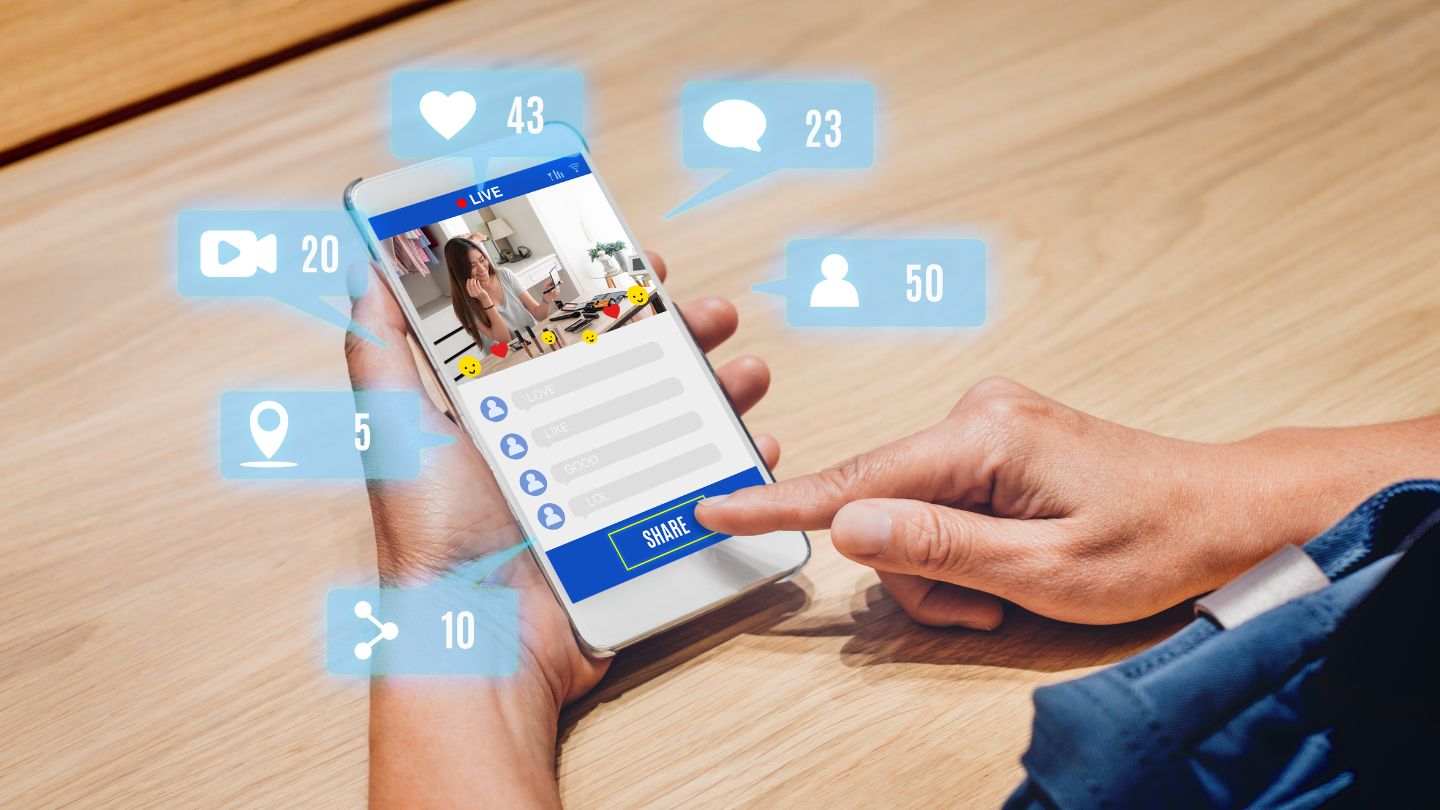
Marketing through social media plays a pivotal role in the healthcare industry. It affords institutions the opportunity to reach out to an extensive audience, foster trust via patient feedback, and disseminate crucial health advice. Healthcare providers can forge personal connections with patients by posting educational material, testimonials of success stories, and wellness tips. Engaging with influencers on social media platforms enhances brand presence and engagement as they share relatable health journeys that appeal to diverse demographic groups. Employing paid advertisements on social media ensures that marketing endeavors are seen by individuals actively seeking medical support—optimizing resource allocation in advertising while enhancing returns on investment. Tailored posts and promotional activities can bring attention to particular health issues, market novel services offered by providers, or keep followers abreast of recent developments within the healthcare sector.

Email Marketing Campaigns

Email marketing is a powerful tool that offers direct communication with patients. Promoting branded content and encouraging customer detail submission can increase conversions through personalized emails and promotional packages. Organizations can keep patients informed through follow-up emails, driving engagement and building loyalty. Automating appointment scheduling and running surveys improve user experiences, making the provider more memorable and helping patients recognize their brand over competitors.

Content Marketing Strategies

Healthcare providers can bolster their trustworthiness and educate patients through content marketing. By implementing tools like blogs, newsletters, educational videos, and infographics, they are able to engage with patients more effectively and foster a sense of reliability. To produce impactful content, it is essential to use straightforward language that resonates with the needs of the patient population. Providing reliable information along with meaningful insights increases engagement levels and establishes a foundation of trust, which in turn makes patients more inclined to opt for your healthcare services. Read More: Healthcare Storytelling: Using Narratives to Transform Patient Care

Traditional Marketing Techniques

Hand Interacting With Digital Analytics Interfac Digital marketing may be at the forefront, yet conventional strategies retain their value. Advertising in print media, as well as promotions via television and radio broadcasts, postal mail initiatives, and local gatherings, present distinct chances for engaging with target demographics and crafting unified brand narratives. These traditional approaches represent wise financial commitments for healthcare entities, harmonizing with robust branding efforts to position the organization’s identity effectively within the market. By employing time-honored methods, healthcare establishments have the ability to strategically place their brands on display. Such practices empower both individual providers of health services and broader healthcare institutions to forge a synergistic approach that melds elements from both digital realms and classic methodologies. Subsequent segments delve into particular techniques rooted in standard marketing practice by underscoring how they can serve beneficially when put into action within this field. Read More: Difference Between Traditional & Digital Marketing for Medical Practices

Print Advertising

Print advertising remains key in traditional healthcare marketing. Effective print ads involve images, color schemes, headlines, call-to-action, and typography, working together to create targeted messaging that enhances visual appeal and captures attention. By addressing the unique needs and interests of their target audience, providers can effectively convey their message and promote services.

Television and Radio Ads

Television and radio ads provide wide reach and create memorable images, making them powerful tools in healthcare marketing. They have a strong emotional impact, effectively conveying important messages to a broad audience. With their wide reach and emotional impact, television and radio ads play crucial roles in making healthcare messaging impactful and connecting with large audiences.

Direct Mail Campaigns

Direct mail marketing is an efficient approach due to its capacity for personalization, conveying relevant messages, and extending unique promotions. Customizing interactions lessens the impact of competitors and pinpoints certain patient demographics with tailored promotional content. Campaigns employing personalized direct mail are adept at capturing the interest of potential customers while simultaneously boosting brand awareness. This leads to increased engagement and higher rates of conversion.

Community Events and Sponsorships

Participating in local events and pursuing outreach efforts bolsters the prominence of a healthcare brand while cultivating credibility among community members. Such activities provide valuable chances to forge stronger bonds with locals and advertise available services. By organizing health fairs and supporting neighborhood happenings, healthcare institutions can nurture ties within the community, thereby elevating their standing.

Healthcare Provider Marketing Approaches

Digital Cloud Icon With Business Connectivity In A Cityscape In the healthcare industry, adopting cost-effective marketing strategies is pivotal for enhancing visibility and attracting patients while adhering to a limited budget. With a majority of potential patients turning to online research before booking an appointment, it’s imperative that healthcare providers improve both their online presence and reputation. Given that approximately 80% of internet users seek health-related information digitally, establishing a robust digital footprint is vital. For those operating within the healthcare sector, deploying affordable yet effective marketing strategies is key in fostering an improved perception and greater visibility among prospective patients. Tactics ranging from initiating referral programs with physicians to launching community outreach efforts are customized solutions designed specifically for these organizations’ unique demands. This discussion delves into various targeted healthcare marketing strategies intended for use by professionals in the field. These approaches aim at bolstering engagement with current and future clients through savvy execution of well-crafted medical service promotion tactics—a critical component in any successful comprehensive strategy within this domain.
Patient Referral Programs

Referral programs leverage personal endorsements to increase the acquisition of new patients. Utilizing the trust already established with current patients, these strategies improve engagement and promote patient conversions. By encouraging existing patients to share their positive experiences, referral programs contribute significantly to creating a faithful patient community and enriching the entire journey for new patients.

Reputation Management

Maintaining a favorable reputation necessitates diligent management of online reviews and feedback. Genuine testimonials from patients can not only enhance the standing of services but also increase the likelihood that new patients will choose those services, given their relatability. Considering that 57% of consumers are swayed by a healthcare provider’s presence on social media, it is imperative to handle patient testimonials and feedback with care. This approach is crucial in attracting prospective patients.

Community Outreach Initiatives

Initiatives focused on community outreach engage with underprivileged groups to offer vital healthcare services. Their purpose is to tackle and diminish health disparities by focusing on the unique obstacles encountered by communities at the margins. Using animated videos as a training tool for healthcare professionals can improve their ability to address and minimize health inequalities, thus improving how messages are conveyed and fostering enhanced health outcomes.

Influencer Marketing in Healthcare

Influencer Marketing in Healthcare Influencer marketing is a potent tool for fostering trust and rapport. The credibility that audiences attribute to influencers compared to conventional ads renders this approach highly beneficial in increasing engagement and confidence in healthcare entities. This technique amplifies the impact of health-related communications by intertwining trust with emotional involvement, which contributes to improved health outcomes. Employing the persuasive power of healthcare professionals, narratives from patients, and prominent social media figures enables organizations to establish more profound emotional bonds with their audience. Subsequent segments will delve into particular marketing strategies within the realm of influencer marketing, underscoring their advantages and how they are put into practice.

Collaborations with Healthcare Professionals

Partnering with healthcare professionals bolsters the effectiveness of marketing initiatives, leading to higher-quality patient care. By working alongside experts, trust and credibility among patients are augmented due to these collaborations. Having an efficient system for physician referrals ensures that patients gain prompt access to specialist care, which enriches their overall journey toward better health and fosters improved health outcomes.

Patient Testimonials and Reviews

Testimonials from patients are essential for fostering trust and drawing in prospective patients. They motivate individuals to take action by forging emotional bonds, which leads those considering various services to make a selection. These personal accounts offer an emotional link and relatability that enhance the appeal of services, steering the healthcare choices of potential clients.

Social Media Influencers

Influencers on social media successfully advocate for medical ideas and add a personal touch to healthcare brands, which strengthens emotional bonds with their followers and fosters trust. The strengthened emotional bond heightens interactions with these brands across social media channels, rendering the content more relatable and influential.

Video Marketing for Healthcare

Video Marketing for Healthcare Healthcare organizations are increasingly turning to video marketing due to its versatility. It serves as an effective medium for creating educational content, sharing patient testimonials, and promoting services or products that facilitate better engagement with patients. Video marketing plays a vital role by enhancing comprehension among viewers and fostering deeper involvement with the organization’s offerings. The power of videos lies in their ability to quickly capture interest and present intricate medical information in a format that is both compelling and easier to remember than written text alone. Healthcare entities employ this method not only to educate individuals on various health conditions and available treatments but also to present healthcare merchandise, thereby offering multiple ways for these institutions to engage meaningfully with their target demographic. We will delve into distinct forms of video marketing within subsequent segments, shedding light on how each type contributes advantages along with practical uses within the realm of healthcare communication strategies.


Educational Videos

Instructional videos are a powerful instrument for informing patients about different health issues and therapeutic options. They raise awareness of health-related matters and deliver important knowledge that aids in improving patient comprehension regarding their own well-being. It is essential for healthcare information to be exact, as individuals rely on such data provided by organizations to take knowledgeable steps concerning their wellness. Educational videos that present lucid and precise information play a key role in enhancing health outcomes and promoting active participation from patients.

Animated Health Equity Videos

Utilizing animated videos focusing on health equity is a crucial strategy for mitigating health disparities, as these visuals effectively highlight the consequences of racial factors on medical care. The Veteran Health Administration has produced an exemplary character-driven animated infographic that educates internal teams about reducing inequities related to healthcare. Training resources such as the awareness video from the Center for Prevention Minnesota prove essential for instructing front-line personnel. By incorporating a mix of infographics pertinent to the times, hospital settings, and characters within their content design, they successfully convey critical information in pursuit of improved health outcomes.

Product Demonstration Videos

Videos showcasing product demonstrations aim to enhance visibility and amplify brand recognition. By accentuating the capabilities and advantages of healthcare offerings, these videos simplify complex functionalities for patients, illuminating the ways in which their health could benefit. In the realm of healthcare marketing, take Oscar Health’s service demonstration video as an illustration. It offers a compelling exposition of the services available. Such videos are instrumental in fostering engagement and spurring conversions, cementing them as a vital element within any promotional strategy for healthcare marketing campaigns.

Drive Patient Engagement with Guideway Care – Sequence of Activation

Healthcare marketing is essential for connecting healthcare providers with patients, improving outcomes, and fostering trust. By combining digital strategies like medical digital marketing, such as SEO, website optimization, and social media, with traditional approaches like community outreach, healthcare organizations can effectively engage patients and build lasting relationships. A well-rounded marketing approach not only drives growth but ensures compliance with regulations and ethical standards, paving the way for a more patient-focused healthcare experience. At Guideway Care, we specialize in helping healthcare organizations achieve their marketing goals through strategic medical digital marketing solutions. From boosting your online presence to enhancing patient engagement, our team ensures your practice stands out while staying compliant with industry standards. Ready to grow your business and improve patient experiences? Contact us to learn more about how we can help and take the first step toward transforming your marketing strategy!
Friendly Customer Support Representative Smiling

Why Modern Healthcare Call Centers Need Omnichannel Support for Optimal Patient Care

In today’s fast-paced healthcare environment, call centers must adopt omnichannel support. This approach enhances patient care, ensures consistent communication across multiple channels, and improves operational efficiency. The question is, why do modern healthcare call centers need omnichannel support? Simple: it unifies patient interactions and streamlines processes for better outcomes. This blog will explore why modern healthcare call centers need omnichannel support and how omnichannel strategies meet these needs and improve patient satisfaction.

Key Takeaways

  • Omnichannel support is essential for modern healthcare call centers, offering seamless interactions across multiple communication channels to enhance patient care.
  • Implementing an effective omnichannel strategy improves patient engagement, satisfaction, and operational efficiency by unifying patient data and streamlining communication.
  • Real-world success stories show that omnichannel systems lead to significant increases in patient satisfaction and reduced appointment cancellations in healthcare settings.

Team Collaboration In A Call Center

Understanding Omnichannel Support in Healthcare Call Centers

The incorporation of omnichannel support within healthcare call centers is transforming patient interactions with medical services. By incorporating a multitude of communication avenues, including telephone calls, electronic mail, instant messaging, and social platforms, it guarantees patients a unified and smooth experience. This all-encompassing strategy effectively tackles the issue of disjointed patient information by consolidating data from various sources.

Executing an omnichannel approach seeks not only to streamline service delivery but also to tailor personal care experiences for each patient. Contemporary call centers are employing advanced technologies like artificial intelligence and automation tools to facilitate operations such as booking appointments—proving integral to an effective omnichannel game plan. The capability to collect data in real time enhances service quality by meeting consumers’ expectations at every point of contact.

As the landscape of healthcare undergoes change, strategies that provide omnichannel access enable institutions to expand their capabilities to keep pace with growing demands from patients. These strategies augment patient involvement while enabling more comprehensive access to health provisions and simultaneously striving towards cost reduction—an invaluable edge for organizations competing within the realm of healthcare provision.

Enhancing Patient Engagement Through Omnichannel Strategies

Illustration Of A  Brain With Neural Connections

Ensuring a smooth flow across different points of interaction in the healthcare journey is fundamental for omnichannel patient engagement. The complexity of today’s customer journey necessitates that healthcare call centers provide uniform support through both digital and analog communication channels, which elevates patient care. Adopting this holistic approach not only strengthens patient engagement but also contributes to fostering a positive experience for them.

The desire among patients for individualized communication and accessible services plays an essential role in making them feel valued and understood, thereby elevating their overall satisfaction with the care they receive. Efficiencies like online appointment setting and telemedicine can diminish frustration felt by patients while augmenting their contentment with the service provided. Engaging multiple methods of contact such as email, text messaging, and social platforms enables tailored health education communications alongside reminders about appointments and activities that are instrumental in increasing adherence to treatments while reflecting customer values and preferences.

Healthcare apps on mobile devices represent a vital component within omnichannel strategies due to features like scheduling capabilities, medication alerts, and video consultation offerings — these collectively enhance accessibility for patients’ needs. By integrating telehealth functions into these applications, medical organizations are able to furnish out-of-office consultations along with continuous monitoring options. These efforts are Convenient factors for patients’ experiences while broadening availability aspects substantially.

Improving Patient Satisfaction with Seamless Customer Experience

The implementation of an omnichannel strategy within the healthcare sector can notably reduce wait times and elevate the overall patient experience. This multi-channel approach bolsters patient satisfaction, engagement, and access to health services, leading to improved medical outcomes and higher scores in patient satisfaction assessments. A major advantage that accompanies such a strategy is ensuring customers receive consistent interactions across various devices.

Several core functionalities offered by omnichannel software play a pivotal role in improving patient satisfaction.

  • Automated call answering
  • Personalized greetings
  • Quick resolution for routine inquiries
  • Streamlined appointment setting

By employing this method, patients are assured of receiving uninterrupted service regardless of which communication channel they choose. The integration of chatbots and voice-assisted technologies into customer support operations enhances both engagement levels and contentment among patients who anticipate dependable interactions.

Omnichannel call centers address common bottlenecks found within traditional customer service models by allowing correspondence through channels preferred by individuals. This adaptability enriches their value and convenience. By consolidating various avenues for interacting with patients under one seamless system, healthcare organizations not only uplift their level of care but also secure superior ratings in terms of patient satisfaction—thereby amplifying the quality derived from an omnichannel customer experience.

Read More:  Omnichannel vs Multichannel Support

Key Benefits of Omnichannel Contact Centers in Healthcare

Key Benefits of Omnichannel Contact Centers in Healthcare

Integrating multiple communication channels, including phone, email, chat, and social media, into healthcare contact centers elevates patient interaction by providing a cohesive experience across all platforms. In contrast to traditional call centers, which depend exclusively on phone calls for patient engagement, omnichannel contact centers offer more effective and unified communications.

Omnichannel contact centers in the healthcare sector provide several significant benefits: they strengthen communication pathways, improve the handling of patient data, and boost operational efficiency. These improvements not only elevate the quality of patient care but also give healthcare organizations an edge in a competitive environment.

Enhanced Communication Channels

Ensuring a wide range of communication avenues such as telephone, video conferencing, electronic mail, instant messaging, social networking platforms, and automated self-help services leads to an inclusive patient communication strategy. By integrating customer interactions throughout these various channels, service agents gain access to a cohesive perspective on each individual’s history with the organization, which bolsters their ability to provide superior support.

Utilizing an all-inclusive channel framework automates processes like registering patients and scheduling appointments without being bound by time constraints. This enhances patient contentment levels. As healthcare entities address the rapidly changing expectations for swift and effective assistance head-on through enhanced offerings, they can markedly advance both patient engagement and satisfaction rates.

Better Patient Data Management

Managing patient data effectively is essential for providing informed and proficient healthcare services. The use of CRM software in acquiring and handling customer data is key to creating customized experiences for patients. Incorporating elements such as IP PBX solutions or click-to-dial features into healthcare applications enhances the efficiency of managing patient information.

Data analytics is instrumental in bolstering patient engagement by pinpointing areas that need improvement and shaping new approaches to advance care quality. Enhanced management of patient information enables healthcare organizations to provide an uninterrupted customer experience, which leads to increased patient satisfaction and improved health outcomes.

Increased Operational Efficiency

Using VoIP technology to handle interactions, omnichannel support greatly diminishes communication costs. In the healthcare sector, switching from traditional phone support to live chat can result in a notable decrease in expenses by about 17% to 30%. The economic advantage gained from this reduction and lower labor expenditures renders omnichannel strategies extremely beneficial for healthcare institutions financially.

Employing staff across various platforms with an omnichannel approach alleviates excess strain and conserves resources, which boosts team efficiency. The adoption of these systems effectively copes with rising volumes of calls, facilitating enhanced resource allocation among employees and elevating overall operational productivity.

Implementing Omnichannel Solutions in Healthcare Organizations

Healthcare organizations must establish a strong technological framework, harness data analytics, and ensure their staff is adequately trained to successfully implement an omnichannel strategy. Leaders in these organizations should seek call center solutions that facilitate the seamless access of patient information across various communication channels. By adopting a staggered implementation approach, these entities can mitigate risks while collecting feedback and adjusting their strategies accordingly as they introduce omnichannel support.

For the sustained success of an omnichannel approach, it’s crucial for healthcare institutions to continuously monitor performance, solicit input from users, evaluate key metrics, and refine their strategies where necessary. A gradual integration of new methods for handling inbound contacts enables them to effectively embed omnichannel support into their operations with the aim of enhancing overall patient care.

Assessing Current Communication Infrastructure

Healthcare organizations should evaluate their current system pain points to understand where enhancements are necessary for the healthcare organization. Assessing CRM, ERP, and other business applications is crucial to ensure they can integrate effectively with omnichannel contact centers.

This evaluation helps identify the gaps and opportunities for improvement in the existing communication infrastructure.

Choosing the Right Omnichannel Software

Healthcare organizations stand to gain a significant advantage and impressive returns by implementing the appropriate omnichannel software. This software should enable smooth interaction across various communication channels, thereby elevating the level of service provided. Effective engagement with patients through these interactions is key for healthcare entities to attain operational excellence and heightened patient satisfaction.

Not only do these functionalities enhance communications, but they also improve the comprehensive delivery of services to patients, leading to an enriched patient experience. It’s critical for healthcare institutions to assess the features and functions of omnichannel software thoroughly in order to address their unique requirements and deliver a seamless customer experience consistently.

Training Call Center Agents

Effective management of numerous communication channels and fulfilling patient requirements necessitate thorough training for call center agents. Healthcare call centers experience significant attrition and employee exhaustion, largely attributable to the challenging aspects of their roles combined with insufficient backing. By offering persistent education, healthcare organizations can ensure that their center agents are prepared to meet the changing needs involved in patient interactions.

Technological advancements like real-time guidance systems play a crucial role in keeping agents updated on compliance and regulatory shifts within healthcare, thereby bolstering their capacity to deliver precise support. Ensuring ongoing assistance and development opportunities enhances both agent performance and contentment within these roles, ultimately contributing to superior patient care provided by these healthcare institutions.

Overcoming Challenges in Omnichannel Implementation

In the realm of healthcare call centers, data security emerges as a pivotal concern due to the imperative need for compliance with HIPAA regulations. The significance of both security and uptime cannot be overstated in omnichannel contact centers, given that customer data is funneled through a singular platform across various channels. An omnichannel strategy necessitates an ongoing dedication to assimilating cutting-edge technologies along with perpetual enhancement of techniques.

Healthcare organizations grapple with obstacles linked to data integration when striving for efficacious execution of omnichannel marketing tactics. To navigate these hurdles successfully, it’s essential for these organizations to craft a clear and deliberate strategy that supports uninterrupted integration while also facilitating regular assessment and refinement of their omnichannel initiatives.

The Future of Omnichannel Support in Healthcare Call Centers

The Future of Omnichannel Support in Healthcare Call Centers

Healthcare call centers are on the path to embracing a more comprehensive omnichannel approach, which amalgamates various communication channels to boost patient experiences. By the year 2040, it is anticipated that most health services will make a significant shift toward virtual settings, resulting in more customized and readily available patient care. This progression will require the incorporation of sophisticated technologies designed to facilitate smooth and effective interactions with patients.

It’s essential for healthcare providers to proactively develop their omnichannel strategies by integrating advanced solutions such as artificial intelligence (AI), automation processes, and instantaneous data-gathering methods. These innovations aim at fulfilling patients’ increasing expectations for swift, efficient, and individualized care delivery.

Looking ahead into the future of support across multiple channels within healthcare suggests an optimistic outlook where improved patient satisfaction aligns with enhanced overall health outcomes.

Final Thoughts

In today’s fast-evolving healthcare landscape, omnichannel support is no longer optional—it’s essential. By integrating multiple communication channels and leveraging innovative technologies, healthcare call centers can meet patients’ rising expectations while improving communication, operational efficiency, and patient satisfaction. Organizations adopting these strategies will gain a significant advantage in delivering quality care and building lasting patient relationships.

Guideway Care is your trusted partner in this transformation. As a leader in healthcare call center solutions, we specialize in enhancing patient engagement through tailored, tech-driven services. Ready to elevate your patient experience and streamline your operations? Contact us today to create better patient journeys together!

A Smiling Customer Support Agent In An Office

What is Call Queue Management in Healthcare Call Centers: Best Practices & Benefits

In healthcare call centers, call queue management means organizing incoming calls in a way that ensures every call gets attended to in the right order. This system helps prioritize urgent cases and connects patients with the most appropriate agents quickly. Effective call queue management is vital as it reduces wait times and improves patient satisfaction. This blog will explain what call queue management in healthcare call centers is, why it’s important, and the best practices for implementing it in healthcare settings.

Key Takeaways

  • Call queue management is essential in healthcare call centers, ensuring timely responses and improved patient outcomes by prioritizing urgent cases and routing calls effectively.
  • Key metrics like Average Wait Time, First Call Resolution, and Abandoned Call Rate are crucial for evaluating call queue effectiveness and enhancing patient satisfaction.
  • Technological advancements, such as AI-powered call routing and CRM integration, play a significant role in optimizing call queue management, reducing wait times, and improving overall service quality.

Understanding Call Queue Management in Healthcare Call Centers

Call Center Team Working In A  Office
The management of call queues in healthcare call centers involves arranging incoming calls into a virtual line, ensuring they are dealt with sequentially as received. By identifying urgent cases and directing them to the appropriate agents via a call queue management system, this approach maintains orderliness. Efficient queue management within healthcare is essential not only for operational efficiency but also because swift responses are critical to patient care outcomes. Implementing an effective call queue management system assists in curtailing patient wait times and elevates the standard of service delivered.

Key Metrics for Effective Call Queue Management

Smiling Customer Service Agent 
To gauge the effectiveness of call queue management, healthcare call centers rely on several key metrics. These metrics provide valuable insights into how well the call center is performing and where improvements are needed. Tracking these metrics helps optimize operations, enhance patient satisfaction, and equip agents with the necessary tools for an optimized caller experience. The primary metrics include Average Wait Time (AWT), First Call Resolution (FCR), and Abandoned Call Rate.

Average Wait Time (AWT)

The Average Wait Time (AWT) is an indicator that gauges the duration of inbound patient calls that are on hold before receiving help. This metric is determined by dividing the accumulated wait times for all answered calls by the total count of those answered. Keeping track of AWT is crucial in enhancing agent productivity, optimizing resource allocation, and preventing adverse patient impressions stemming from prolonged waiting periods. By reducing AWT, issues can be resolved more quickly, leading to greater levels of patient contentment.

First Call Resolution (FCR)

First Call Resolution (FCR) is a key performance indicator that measures how effectively a patient query is resolved during the first interaction. A high FCR rate is vital as it correlates directly with positive patient experiences, leading to improved satisfaction and loyalty. Effective call queue management enhances FCR rates by routing calls to the most suitable agents, reducing the need for follow-up calls, and boosting patient satisfaction.

Abandoned Call Rate

The Abandoned Call Rate represents the percentage of calls that are disconnected by the caller before speaking to an agent. It is calculated by dividing the number of abandoned calls by the total number of inbound calls. A high abandon rate can indicate inefficiencies in the call-handling process and lead to frustrated patients. Lowering this rate is crucial for maintaining high patient satisfaction and operational efficiency.

Causes of Long Call Queues in Healthcare Call Centers

A Group Of People Working In A  Office Several elements contribute to extensive call queues at healthcare call centers, which can negatively affect both patient contentment and the efficacy of operations. The primary culprits include increased call volumes during peak periods, a surge in calls that overpowers the staff due to their numbers or lack of training, and archaic center software. Consequently, these challenges result in protracted wait times for callers, elevated rates at which people disconnect before being helped (abandonment rates), and diminished levels of satisfaction overall. Tackling these issues is essential for improving service quality.

High Call Volumes During Peak Hours

During peak hours, healthcare call centers often experience high call volumes, which can result in extended call queues. When callers are on hold for over a minute, there’s an increased chance they will disconnect the call, causing a rise in abandonment rates. Proactive management of staffing levels through AI-driven systems that evaluate past calling patterns allows these centers to anticipate busy periods. This strategic approach aims to enhance response times and elevate patient satisfaction by ensuring that sufficient staff is available when needed.

Insufficient Staffing and Training

Insufficient staffing and inadequate training often cause long call queues in healthcare call centers. Understaffing can lead to prolonged wait times during unexpected peak call volumes, while poorly trained agents may struggle with call handling efficiency. Continuous monitoring of call queue metrics leads to better staffing decisions and more effective training programs, ultimately improving overall service quality.

Outdated Call Center Software

Inefficient call center software can lead to increased hold times for patients, which negatively impacts their overall experience and satisfaction with the service they receive. It is critical to adopt up-to-date call center software that incorporates sophisticated features to boost operational effectiveness and improve the quality of patient experiences.

Strategies for Optimizing Call Queue Management

A Close-Up Of A Support Agent Using A Computer 
Call centers in the healthcare sector can employ a variety of strategies to address the issue of lengthy call queues. These tactics involve introducing options for self-service, applying sophisticated rules for routing calls, and presenting callback alternatives as part of healthcare center solutions. Employing these measures can enhance the efficiency of call center operations within healthcare facilities by decreasing wait times and bolstering patient contentment.

Implementing Self-Service Options

Self-service options, like interactive voice response (IVR) systems, enable patients to manage their needs without live agent assistance, significantly reducing call volumes. IVR systems gather caller information before connecting them to agents, streamlining the call process and improving overall efficiency. Automating routine tasks allows agents to concentrate on more complex issues, ultimately boosting productivity and patient satisfaction.

Offering Callback Options

By providing the option for a callback, patient satisfaction is greatly improved as it lessens the impact of long perceived wait times. Allowing patients to opt for a callback rather than enduring hold times can help alleviate the irritation that comes with extended waiting periods. The utilization of callback technologies facilitates an easier experience by automatically recognizing caller numbers, streamlining procedures for patients, and improving their end-to-end interaction.

Benefits of Effective Call Queue Management in Healthcare

A Line Of Professional Customer Support Agents
Efficient management of call queues in healthcare call centers can significantly improve both patient experiences and the efficiency of operations. The primary benefits include:
  • Reducing the duration patients spend waiting
  • Elevating the quality of service provided
  • Attaining greater levels of patient contentment
  • Fostering enhanced loyalty among patients
Concentrating on these areas allows healthcare establishments to considerably boost their performance metrics. This approach contributes to heightened productivity among agents and optimizes resource distribution, guaranteeing that healthcare call centers function with maximum effectiveness.

Enhanced Patient Satisfaction

Efficient call routing and prompt response rates play a pivotal role in improving patient contentment, particularly when faced with high call volumes. When calls are responded to within two minutes, patients report higher levels of satisfaction. Providing an option for callbacks also elevates the overall happiness with call volume experiences. Healthcare institutions that put into practice robust queue management systems frequently observe a significant enhancement in their patient satisfaction metrics, which can soar by an average of 20%.

Improved Agent Productivity

Proper management of call queues enhances agent productivity by ensuring an even distribution of calls, thereby averting overload and burnout due to excessive call volumes. Implementing a callback feature alleviates the strain on agents, enabling them to allocate their time better and address customer inquiries more proficiently. Through such optimization in queue management, not only is a high level of productivity sustained among agents, but also a significant improvement in service quality, which leads to increased customer satisfaction.

Better Resource Allocation

It is essential to observe metrics related to the call queue closely, as they play a vital role in improving staff deployment and elevating the standard of patient care. Healthcare organizations can use real-time analytics to monitor these call statistics and make quick changes that enhance service quality. A properly installed call queueing system reduces waiting times for customers on hold, thus boosting patient experience and satisfaction levels.

Role of Technology in Call Queue Management

Advanced technological applications are vital in improving queue management within healthcare call centers. The utilization of contemporary software, AI-facilitated call routing systems, and the integration with Customer Relationship Management (CRM) platforms significantly refine workflow efficiency, truncate waiting periods for callers, and elevate patient satisfaction levels. A deficiency in these technological advancements can result in operational inadequacies that may extend caller wait times and detrimentally affect the experiences of patients seeking assistance.

AI-Powered Call Routing

By harnessing the power of AI for call routing, healthcare call centers can more effectively allocate incoming calls. This is achieved by directing the calls to the best-suited agents depending on variables such as agent availability and time of day. As a result, this technology streamlines the handling of calls, which leads to shorter wait times and boosts overall patient satisfaction. The implementation of artificial intelligence enables these call centers within healthcare settings to markedly advance their service quality alongside operational efficiency.

Integration with CRM Systems

Incorporating call center operations within CRM systems is essential for the efficient management of patient interactions and the enhancement of data processing capabilities. Through this integration, agents can effortlessly retrieve patient histories, enabling them to offer a more individualized service that boosts patient contentment. Merging these operations aids in optimizing center functions and diminishing the duration patients spend on hold. This ultimately leads to an improved experience for callers seeking assistance from the call center.

Real-Time Analytics and Reporting

The integration of real-time analytics into call queue management provides healthcare call centers with instantaneous access to diverse metrics pertaining to calls, significantly aiding in the supervision and improvement of their performance and efficacy. The application of AI technologies permits the expeditious analysis of calling data, which assists in recognizing trends and patterns that can be leveraged to make informed decisions. Incorporating CRM systems into call center operations enriches reporting capabilities, ensuring a thorough representation of patient engagements and results.

The Role of Call Queue Management in Healthcare Success

Effective call queue management is essential for improving patient satisfaction and optimizing operations in healthcare call centers. By monitoring key metrics, addressing delays, and leveraging modern technologies, healthcare facilities can ensure quicker resolutions, happier patients, and a more productive environment for staff. Ultimately, mastering this process is a step toward delivering exceptional patient care and achieving operational excellence. At Guideway Care, we specialize in providing medical call center services that streamline your operations and enhance patient experiences. Our advanced tools and expert team are dedicated to ensuring your healthcare facility runs smoothly while delivering top-tier service to your patients. Ready to take your call center performance to the next level? Contact us today to learn how Guideway Care can help you achieve healthcare success.
Group of Call Center Agents Smiling While Working

How Health Call Centers Handle End-of-Life Care Conversations: Expert Strategies and Support

Health call centers play a critical role in managing end-of-life care conversations. They provide 24/7 support to patients and their families, ensuring immediate help during times of need. Trained healthcare professionals use telehealth technologies and advance directives to guide these sensitive conversations. This blog will explore how health call centers handle end-of-life care conversations, offering insights into their methods and strategies.

Key Takeaways

  • Health call centers play a crucial role in providing 24/7 support for end-of-life care and facilitating communication between patients, families, and healthcare providers.
  • Specialized training for healthcare professionals is essential in navigating sensitive end-of-life conversations, emphasizing the importance of understanding patients’ goals and cultural contexts.
  • The integration of technology, including telehealth and electronic health records, has the potential to improve end-of-life care delivery and patient engagement by enhancing access to information and resources.
Read More:  The Importance of EMR in Medical Billing

The Role of Health Call Centers in End-of-Life Care

Close-Up of a Desk Telephone with Headset
Call centers dedicated to health are an essential support system for individuals receiving end-of-life care and their families, offering continuous assistance. They stand ready to respond promptly to critical needs or inquiries, particularly during the peak after-hours window from 6 pm to 11 pm when access to conventional healthcare services typically declines. These call centers also improve the coordination between patients, their relatives, and the broader healthcare system through a unified communication hub. This centralization not only elevates the quality of care but also cuts expenses for national hospice entities by reducing reliance on internal staff resources. Read More:  How To Improve First Contact Resolution To Advance the delivery of hospice care services, telehealth solutions such as videoconferencing and remote consultations are being adopted more widely. These digital methods preserve clinical effectiveness comparable to in-person home visits while broadening service reachability. Community nurses, akin in a role within these health call centers, contribute significantly by giving comfort, guidance, and emotional backing to those at life’s end stage—mitigating feelings of solitude and stress commonly experienced by caregivers. The inclusion of registered nurses is instrumental in boosting the impactfulness of support delivered during this crucial phase.

Training Healthcare Professionals for Sensitive Conversations

Healthcare professionals dealing with the delicate subject of end-of-life care, especially in the context of a serious illness, must undergo specialized training. Such education is available through comprehensive programs and online courses designed to prepare providers for these critical conversations effectively. Understanding patients’ life goals and values is emphasized during this training. This understanding allows healthcare workers to tailor their support, ensuring it aligns meaningfully with each patient’s unique circumstances. Similarly crucial is recognizing and honoring the individual preferences and decisions made by families when delivering top-tier end-of-life care. It’s essential that healthcare providers mirror the demographics they serve to enhance the quality of care provided further. When providers possess insight into community diversity, they can more aptly cater to particular needs and choices specific to their patients—this aids in heightening overall satisfaction while building trust amidst challenging discussions regarding end-of-life situations.

Utilizing Advance Directives in Call Center Support

Advance directives are instrumental in upholding patients’ wishes for end-of-life care. These legally binding documents facilitate medical decision-making when a patient is no longer able to communicate their treatment choices, thus being an essential component of advance care planning. Examples include living wills and Do-Not-Resuscitate (DNR) orders. By articulating treatment preferences through a living will, individuals can outline the specific medical treatments they desire or wish to decline in life-threatening situations. This provision reduces the risk of potential confusion leading to unwanted health interventions. Appointing someone with a durable power of attorney for healthcare allows that designated individual to make decisions about a patient’s care if they become unable to do so themselves. Incorporating advance directives into call center practices ensures that discussions around patient care honor the expressed desires concerning end-of-life issues. Keeping these directives regularly reviewed and updated facilitates informed guidance by call centers on medical decision-making while honoring each patient’s preferences regarding end-of-life support and planning.

Communication Techniques for End-of-Life Care Discussions

Healthcare Professional Comforting an Elderly Patient Effective communication is crucial in end-of-life care discussions. The ‘Conversation Ready’ framework provides valuable guidance for healthcare organizations to improve communication and ensure patients’ end-of-life wishes are respected. A toolkit helps clinicians navigate these sensitive discussions. Using clear, simple language and avoiding medical jargon helps patients and families understand care options better. Active listening ensures caregivers accurately grasp patients’ wishes and concerns. Providing written materials allows patients to revisit information at their own pace. Addressing common fears like pain and loss of dignity is crucial. Open-ended questions encourage patients to share their feelings and concerns freely, fostering a deeper understanding of their needs and preferences. A comfortable environment enhances communication. Cultural sensitivity is essential for effective end-of-life care communication. Providers should tailor their methods to the needs of diverse patient populations, respecting cultural values and spiritual beliefs to foster trust and ensure patients feel understood and supported.

Providing Emotional Support to Families and Patients

Acknowledging and responding to emotional turmoil is vital in the realm of end-of-life care. It’s highly beneficial for patients’ well-being when they can express their final desires, significantly lightening their emotional load. Simple acts of active listening and being present are instrumental in offering support to both patients at the end of life and their families. Providing tangible help, such as conducting household errands or cooking meals, can ease the burden on family members who are looking after a loved one nearing life’s end. Organized conversations about the approaching conclusion of life can dispel uncertainties, define objectives for care, and aid families in feeling more included and connected rather than secluded. Healthcare helplines deliver all-encompassing assistance that caters to not only practical but also emotional needs, thus ensuring a broad spectrum of care that considers every aspect required by families alongside those facing the ends of their lives. Read More:  The Benefits of Empathy in Medical Call Center Conversations

Coordinating with Palliative Care Teams

Ensuring top-tier care at the end of life necessitates seamless integration with a palliative care team, which becomes feasible with round-the-clock availability. This constant access provides immediate aid for both patients and their families. Implementing a unified contact point for support during non-business hours strengthens the effectiveness of caregiving and bolsters streamlined service delivery. Forging collaborative communication pathways among healthcare stakeholders is crucial to facilitating readily available clinical data and prompt assistance for general practitioners. The National Palliative Care Strategy advocates for cultivating interconnected palliative care services that warrant smooth and cohesive management at life’s end. The goal of the National Rural Palliative Care Program is to fortify community alliances, ameliorating how services are rendered while linking families to supportive resources such as counseling options and peer groups through dedicated palliative care organizations. Mobile technology can significantly elevate communications between health professionals and caretakers by enhancing accessibility to necessary resources.

Addressing Cultural Sensitivities in End-of-Life Conversations

It is essential to recognize cultural sensitivities when engaging in conversations about end-of-life care. The effectiveness of telephone support from health call centers may be compromised by the absence of a diverse patient demographic representation. It’s vital to cultivate cultural competence in order to honor and understand various beliefs and traditions. Fostering an environment where cultural sensitivity is woven into discussions on end-of-life care can significantly improve communication with patients and their families, providing them with enhanced support. Valuing different cultural perspectives not only leads to better engagement but also increases patient satisfaction during these crucial conversations. When health providers demonstrate an understanding of patients’ unique cultural values and spiritual beliefs at the end of life, it builds a foundation for trust. This ensures that each patient feels respected for who they are and supported throughout their healthcare journey.

Challenges Faced by Call Centers in End-of-Life Care

Nurse Assisting Senior Man with Walking Indoors End-of-life care support at call centers is met with various hurdles, one of which includes the difficulty in communication due to personal protective equipment (PPE). To preserve a strong connection with patients, it’s essential to implement technological solutions that can improve dialogue clarity and provide staff with adequate training for handling complex conversations effectively. For those assisting families through the end-of-life journey, taking care of their own mental and emotional well-being is crucial. This self-care enables caregivers to offer better quality assistance during critical end-of-life discussions. It’s also important for call center personnel engaged in this delicate phase of patient support to have ready access to essential resources and comprehensive training so they can cope with the emotionally challenging nature of their duties.

The Impact of Technology on End-of-Life Care Support

Nurse Offering Assistance to an Elderly Woman Seated In the realm of end-of-life care, technology plays a crucial role in augmenting service delivery and engaging patients more effectively. As electronic health records become more integrated, they are expected to bolster telephone support services by keeping patient information easily accessible. Though informatics systems are not yet widely employed, their potential to significantly improve hospice and palliative care is substantial. Patients and caregivers can now leverage web-based educational platforms for vital health information that aids informed decision-making and careful planning for end-of-life care. The implementation of digital patient-reported outcome measures (PROMs) facilitates immediate recognition of the needs of patients, thereby elevating the standard of care delivered. By incorporating electronic PROMs into routine healthcare proceedings regularly, thorough consideration is given to symptoms experienced by patients as well as their personal preferences during end-of-life treatment. Employing a methodical tactic in applying digital tools within specified pathways for administering care serves to close any disconnect between clinical interventions and prioritizing what matters most to the patient at life’s closing stages—this focus on individualized attention offers profound benefits throughout one’s final phase of life. Read More:  The Impact of Technology in the Healthcare Industry.

Wrapping Up

End-of-life care is a deeply sensitive and critical aspect of healthcare, and health call centers play an essential role in ensuring patients and their families receive the support they need during this time. Through advanced training, empathetic communication, and cutting-edge technology, these centers provide a lifeline for patients facing terminal illnesses. By integrating emotional support and seamless collaboration with palliative care teams, health call centers are redefining what it means to offer compassionate, patient-centered care at the end of life. At Guideway Care, we take pride in being pioneers in this space. Our health call center solutions empower healthcare providers to deliver unparalleled patient experiences, ensuring every individual’s preferences and needs are met with dignity and respect. Ready to elevate your patient care? Discover how we can help you optimize patient engagement and improve outcomes. Reach out to us and take the first step toward transforming your approach to end-of-life care.
What's the Impact of Healthcare Call Center Attrition on Scalability?

What’s the Impact of Healthcare Call Center Attrition on Scalability?

Attrition in healthcare call centers impacts scalability by increasing costs and disrupting operations. Frequent turnover demands continuous recruitment and training, hindering efficiency and patient care. Managing call volume effectively is crucial in this context, as it can reduce hold times and minimize abandonment rates, alleviating pressure on in-house staff. In this context, it’s essential to understand the impact of healthcare call center attrition on scalability. This blog explores these challenges and how to address them for better scalability.

Key Takeaways

  • High attrition rates in healthcare call centers lead to increased costs, reduced productivity, and disruptions in service quality.
  • Burnout, lack of career advancement opportunities, and inadequate training contribute significantly to the high turnover of call center agents. The role of a center agent is crucial in maintaining customer satisfaction, and addressing these issues is essential for improving the overall customer experience (CX).
  • Implementing strategies such as enhancing job satisfaction, investing in advanced technology, and outsourcing operations can effectively mitigate attrition challenges.

The Role of Call Centers in Healthcare Organizations

Call centers play a vital role in healthcare organizations, serving as a primary point of contact for patients, families, and healthcare providers. These centers are essential for managing a wide range of services, from appointment scheduling and patient registration to handling billing inquiries and managing medical records. Effective call center operations are crucial for delivering high-quality patient care, improving patient satisfaction, and enhancing the overall patient experience. Healthcare call centers act as the frontline for patient interactions, ensuring that inquiries are addressed promptly and accurately. By efficiently managing these interactions, call centers help healthcare providers maintain a smooth workflow and focus on delivering quality patient care. The ability to handle high call volumes and provide consistent support is essential for maintaining patient satisfaction and trust in healthcare services.

The Challenge of Healthcare Call Center Attrition

The Challenge of Healthcare Call Center Attrition Healthcare call centers face a significant obstacle with the high attrition rates of center agents, which undermines both financial stability and operational efficiency for healthcare organizations. This persistent turnover escalates expenses related to recruiting, onboarding, and training new staff—expenses that could impact other vital aspects of patient care provision. As seasoned call center agents leave frequently, teamwork dynamics are hampered, and the essential institutional knowledge that is critical to efficient center operations is eroded. It is not sufficient to tackle staffing challenges merely when managing contact center operations. Maintaining uninterrupted high-quality patient care within healthcare organizations is equally crucial. The relentless cycle of hiring and instructing new personnel can lead to service delivery inconsistencies that may detrimentally influence patients’ satisfaction levels and their engagement with the services provided. Understanding why there’s such a marked rate of departures among call center agents—and its consequences—is fundamental for devising effective strategies aimed at improving retention rates, thereby bolstering performance outcomes in healthcare call centers.

Causes of High Attrition Rates

A multitude of elements are responsible for the heightened attrition levels witnessed in healthcare call centers, which in turn affects patient access to healthcare services. Burnout stands out as a leading factor, impacting roughly 74% of center agents. The relentless nature of their roles often results from having to manage intense call volumes and meet strict performance benchmarks while dealing with stressful customer interactions, which can erode job satisfaction and prompt agents to leave.

Impact on Scalability and Operational Efficiency

Impact on Scalability and Operational Efficiency Call centers within healthcare organizations are facing significant difficulties in maintaining operational efficiency and scaling their operations due to high attrition rates. The continual departure of call center agents interrupts the flow of work and the delivery of services, posing challenges for these centers to operate smoothly and achieve their performance metrics. This lack of stability creates obstacles for healthcare organizations as they grapple with varying call volumes while striving to provide consistent quality service. The necessity to frequently train new personnel detracts from overall productivity and operational efficiency since newcomers are newcomers. Take some time before reaching the productivity levels seen in veteran employees. Consequently, this learning curve often results in temporary declines in both performance standards and service quality across call centers. To enhance scalability and boost operational effectiveness within healthcare call centers, it is imperative that issues surrounding staff turnover be resolved.

Increased Training Costs

Call centers within the healthcare industry face significant financial strain due to high turnover rates, primarily seen in escalated training expenses. Healthcare call centers must allocate approximately 20% of an agent’s yearly salary toward covering costs associated with hiring, onboarding, and equipping new staff members. Such expenditures can accumulate rapidly, imposing a burden on the center’s finances and diminishing its capacity to funnel resources into vital enhancements like technology upgrades or process optimization. The consistent requirement to train newly appointed agents impairs long-term operational efficiency and growth potential for these call centers. The ongoing cycle of preparing fresh recruits not only disrupts regular work patterns but also shifts focus from other crucial activities. This challenge becomes even more pronounced when trying to effectively handle high call volumes and adapt to changing demands for healthcare calls.

Decreased Agent Productivity

Healthcare call centers face a challenge with high employee turnover, which hampers overall productivity due to the ongoing process of integrating new agents. This induction phase interrupts standard workflows, and the provision of services as newly trained agents usually need time before they perform at par with veteran staff members, leading to an interim reduction in team output. Such dips can adversely affect operational efficiency and hinder the attainment of performance benchmarks. The disruption caused by frequent personnel changes extends beyond individual productivity—it also impacts team cohesion. The additional energy expended on assimilating newcomers into existing teams can decelerate processes within healthcare call centers, complicating efforts to uphold a consistent level of service quality and successfully achieve monthly performance targets.

Challenges in Maintaining Service Quality

Maintaining high service quality is a significant hurdle for healthcare call centers that are facing elevated turnover rates. The recurring exit of skilled agents often results in irregularities in how services are provided, adversely affecting patient satisfaction and their overall experience with the healthcare provider. This can manifest as extended wait times, heightened abandonment rates, and a deterioration in the caliber of interactions between patients and agents. Having regular contact with known agents plays a pivotal role in fostering trust and allegiance among patients toward their healthcare providers. High agent attrition disrupts this continuity, which may erode established trust, leading to discontent amongst patients and subsequent declines in patient satisfaction scores. Tackling high staff turnover is imperative for preserving service quality at call centers to ensure that they consistently deliver positive experiences for patients.

Siloed Data Access Delays Resolution

Siloed data access can significantly delay resolution in healthcare call centers. When agents lack access to comprehensive patient data, they may struggle to provide accurate and timely information, leading to frustration and dissatisfaction for patients and families. To address this issue, healthcare call centers can implement integrated data systems and ensure that agents have access to the information they need to provide high-quality care. Integrated data systems allow agents to quickly access patient records, medical histories, and other relevant information, enabling them to resolve inquiries more efficiently. This not only improves the patient experience but also enhances the overall efficiency of call center operations. By breaking down data silos and ensuring seamless access to patient data, healthcare call centers can provide more consistent and effective support.

Patient Experience and Outcomes

High turnover within healthcare call centers can significantly undermine the quality of patient care and outcomes. This constant cycling of personnel results in increased wait times, erratic support, and disruption to the continuity of patient services—factors that collectively erode patient contentment. To preserve elevated levels of engagement and satisfaction among patients during their interactions with healthcare delivery systems, it is imperative to provide stable and dependable support from these call centers.

Longer Wait Times and Abandonment Rates

Healthcare call centers are significantly affected by high attrition rates, which lead to elevated patient wait times and increased abandonment rates. When employees frequently leave, patients experience longer hold times while seeking help, resulting in heightened frustration and dissatisfaction. These extended hold times can be attributed to the difficulty healthcare call centers face in coping with staffing challenges caused by rapid turnover, thus hindering their ability to handle large volumes of calls efficiently. These rising attrition rates exacerbate abandonment rates as patients often disconnect when faced with protracted wait periods or erratic support. Not only does this issue impede patient satisfaction, but it also compromises the overall efficiency and effectiveness of operations within healthcare call centers.

Inconsistent Patient Support

Frequent changes in staff at healthcare call centers may result in uneven patient support, weakening the relationship between patients and their healthcare providers. Patients who deal with different agents on each healthcare call can experience a decrease in engagement with their healthcare provider due to having to repeat their medical history and current issues multiple times. This disruption of service continuity can degrade customer support quality, which consequently could have adverse effects on patient satisfaction scores. It’s essential for achieving sustained levels of patient contentment and involvement that there is consistent and dependable support from the call centers. A lower rate of employee turnover correlates positively with greater levels of satisfaction within these settings because it allows patients to receive high-quality care consistently from agents they recognize. Tackling high turnover rates is imperative for enhancing the level of patient assistance and enriching the entire spectrum of experiences during the patient journey.

Impact on Patient Engagement

Healthcare call centers that experience high attrition rates can negatively impact patient engagement and the seamless nature of care. When there is a breakdown in the continuity of relationships between patients and agents, it may erode the trust patients have in their healthcare providers due to feelings of being undervalued or ignored, which happens as they face frequent disruptions during communication. This erosion of trust has detrimental effects on both patient satisfaction and overall health outcomes. When there’s a consistent turnover among call center agents, patients often encounter irregularities in their support experiences, leading to uncertainty regarding the quality of help they will get. The lack of dependable support could drive them toward ending calls prematurely or looking for medical assistance elsewhere—actions that adversely affect both levels of engagement with healthcare services and satisfaction ratings from these individuals. To improve patient engagement and secure positive results for those under care, it’s essential to tackle issues related to high agent turnover within these call centers effectively.

Strategies to Mitigate Attrition in Healthcare Call Centers

Strategies to Mitigate Attrition in Healthcare Call Centers To tackle the high turnover rates that challenge healthcare call centers, it is essential to implement strategies aimed at boosting retention and elevating operational efficiency. The key to retaining call center agents is improving their job satisfaction and offering opportunities for career progression, which in turn can diminish the rate of staff departures. Investment in advanced technology coupled with comprehensive training programs can bolster the performance of call center operations as a whole.

Enhancing Job Satisfaction and Career Development

Improving job satisfaction is essential in retaining agents at healthcare call centers and minimizing turnover. Effective and comprehensive training programs are vital to foster a work environment that promotes personal growth, builds confidence, and alleviates feelings of isolation or incompetence among the center agents. Instilling a sense of competence and belonging through thorough training raises the levels of job satisfaction for call center agents, which leads to better performance. By focusing on career development opportunities through solid training initiatives, healthcare call centers can see an increase in agent loyalty while boosting their overall effectiveness. A nurturing workplace not only helps maintain low attrition rates but also elevates the quality of service provided by healthcare call center personnel in terms of patient care.

Investing in Advanced Technology

Investing in advanced technologies is essential to bolster healthcare call center operations and alleviate the workload on agents. The integration of AI-powered instruments and cutting-edge contact center solutions can markedly elevate patient experiences by automating routine tasks and simplifying procedures. These innovations enhance agent productivity through ithe nstant provision of information and real-time direction, thereby boosting job satisfaction and effectiveness. Incorporation of sophisticated technology into healthcare call centers leads to heightened efficiency among agents while enriching patient interactions. This strategic approach not only diminishes the load carried by agents but also refines process flows within healthcare calls, contributing to augmented operational proficiency across the board.

Implementing Comprehensive Training Programs

Effective preparation of agents for their roles within healthcare call centers is critical, and this can be achieved through robust training programs. These initiatives facilitate the development of essential skills and knowledge, increasing agents’ confidence in performing their duties effectively. As a result, there’s a decrease in turnover rates, which bolsters the scalability of operations. The investment into comprehensive training schemes serves multiple purposes for healthcare call centers: it nurtures agent loyalty, diminishes recurrent costs associated with retraining new staff members, and elevates the quality of service provided. Such programs play an integral role in preserving operational efficiency while simultaneously securing favorable experiences for patients.

Wrapping Up

High employee turnover in healthcare call centers creates significant obstacles to scalability, operational efficiency, and patient satisfaction. Addressing the root causes, such as job burnout, lack of training, and limited career growth, is critical to improving agent retention. By implementing targeted strategies that prioritize job satisfaction, robust training, and leveraging advanced technology, healthcare organizations can combat attrition, resulting in better agent performance, consistent operations, and improved patient outcomes. At Guideway Care, we understand the challenges of managing a medical call center while maintaining exceptional patient care. Our services are designed to help healthcare providers streamline their operations, reduce turnover, and improve scalability. From customized patient engagement solutions to advanced call center technology, we provide everything you need to enhance efficiency and drive revenue for your organization. Ready to transform your medical call center? Contact Guideway Care today and discover how we can help you achieve better outcomes for your patients and your business.
Predictive Dialer vs. Auto Dialer

Predictive Dialer vs. Auto Dialer

In today’s healthcare industry, ensuring efficient and timely communication with patients is essential. Call centers are central to managing patient inquiries, scheduling, and follow-up communications. A predictive dialer vs. auto dialer system can significantly impact how effectively a healthcare call center operates. By understanding their differences and benefits, healthcare providers can select the right solution to enhance patient engagement, improve agent productivity, and streamline the dialing process.

Key Takeaways

  • Predictive dialers use AI to optimize call timing, connect answered calls to available agents, and increase agent productivity by reducing idle time.
  • Auto dialers automate the dialing of phone numbers, efficiently connect calls to agents, and streamline center operations.
  • Both systems improve call center efficiency but are suited for different purposes, especially when handling large call volumes in a healthcare setting.
  • Adherence to compliance regulations, such as the Telephone Consumer Protection Act (TCPA), is essential when using either dialer.

Understanding Predictive Dialers in Healthcare

Understanding Predictive Dialers in Healthcare Predictive dialers have transformed call center operations by using AI-driven predictive dialing software that optimizes agent availability and connects answered calls immediately to agents. By automatically dialing multiple numbers, predictive dialers reduce idle time and ensure healthcare call center agents engage with patients without delays, maximizing productivity.

Key Features of Predictive Dialer Software

Predictive dialer software leverages real-time metrics to adjust dialing rates based on agent availability and previous call data. By connecting answered calls to agents, it minimizes wait times for patients, fostering a better patient experience. Additionally, this system filters out busy signals, voicemail, and unanswered calls, ensuring that agents spend more time interacting with patients. For healthcare providers, this capability is invaluable for managing large call volumes, reducing patient wait times, and improving satisfaction through timely patient outreach.

Benefits of Predictive Dialers for Healthcare Call Centers

Incorporating a predictive dialer into healthcare call centers offers several benefits:
  • Increased Productivity: Agents can handle a higher number of calls in less time, focusing on connecting with patients rather than managing repetitive dialing tasks.
  • Enhanced Patient Engagement: By reducing call abandonment rates and automatically dialing the next call, predictive dialers improve patient engagement and satisfaction.
  • Regulatory Compliance: Predictive dialers often include features to help call centers comply with TCPA regulations, reducing the risk of unwanted telemarketing calls and ensuring adherence to patient privacy standards.

Exploring Auto Dialers in Healthcare

Auto dialers automate the dialing process, calling a predetermined list of phone numbers and connecting answered calls to agents. Traditionally used in sectors like banking, auto-dialers are also valuable in healthcare for tasks such as appointment reminders, patient recall programs, and medication refill reminders.

Core Functionalities of Auto Dialers

Auto dialers streamline the calling process by managing a sequence of phone numbers and automatically dialing each one. When a call is answered, it is transferred to an agent, or if it goes to voicemail, a pre-recorded message can be delivered. This system helps healthcare providers ensure essential patient communications are handled efficiently, even when dealing with high call volumes. Auto dialers are a great fit for routine communications, allowing healthcare providers to handle appointment confirmations, medication reminders, and general follow-up calls more effectively.

Advantages of Auto Dialers for Healthcare Providers

Using auto-dialers in healthcare offers notable advantages:
  • Enhanced Efficiency: Auto dialers automate repetitive dialing tasks, enabling agents to focus on patient conversations rather than manual dialing.
  • Cost-Effectiveness: By handling high volumes of calls, auto-dialers reduce operational costs, making them suitable for routine patient outreach.
  • Compliance Features: Auto dialers often include TCPA-compliant options, helping healthcare providers manage calls responsibly and reduce legal risks.

Comparing Predictive Dialers and Auto Dialers in a Healthcare Setting

Comparing Predictive Dialers and Auto Dialers in a Healthcare Setting When evaluating auto dialer vs predictive dialer options for a healthcare call center, it’s important to consider the unique needs of patient communication. Predictive dialers are ideal for healthcare providers managing large patient outreach campaigns, requiring high levels of agent productivity and connection efficiency. Auto dialers, in contrast, are suited for structured call lists, such as routine reminders.

Impact on Agent Productivity and Patient Engagement

Predictive dialers minimize idle time by connecting answered calls immediately, allowing agents to spend more time with patients. Auto dialers also enhance efficiency by automating the calling process, but they don’t predict agent availability, leading to slightly less productivity in high-volume, unpredictable calling environments.

Scalability for Large Healthcare Organizations

For larger healthcare providers, predictive dialers offer better scalability, dynamically adjusting to call volume and agent availability. Auto dialers are best for stable, predictable call loads, such as weekly appointment reminders.

Compliance Considerations: Adhering to TCPA Regulations

Healthcare providers using either system must ensure compliance with TCPA and other privacy regulations. Predictive and auto-dialers help reduce legal risks by filtering unwanted telemarketing calls, maintaining patient privacy, and adhering to do-not-call lists. Predictive dialers often offer advanced features to adjust call rates in real time, further supporting regulatory adherence and patient satisfaction.

Optimizing Patient Communications with Dialer Systems

Healthcare providers can enhance their patient engagement strategies by using dialer systems to personalize interactions, integrate multi-channel outreach, and monitor call metrics. These tactics help optimize outbound calling strategies and make patient interactions more impactful.

Personalizing Patient Interactions

Dialers enable personalized patient interactions by using CRM data and patient history, allowing agents to address each patient’s needs directly. This personalized approach fosters patient loyalty and satisfaction, as patients feel more engaged and cared for.

Multi-Channel Outreach for Better Patient Reach

A multi-channel approach—integrating calls with email, SMS, and other patient communication channels—enhances patient engagement and ensures messages reach patients through their preferred channels. This strategy, combined with predictive or auto-dialers, supports patient-centered communication in healthcare settings.

Monitoring and Analyzing Call Metrics

Regularly reviewing call metrics helps healthcare providers identify trends, adjust calling strategies, and enhance call center performance. Metrics like call abandonment rates, average call duration, and connection success rates provide valuable insights to optimize patient interactions.

Potential Challenges with Dialer Systems

While dialer systems improve productivity, they come with potential drawbacks. Predictive dialers, for example, may experience abandoned calls when there aren’t enough agents available, causing possible patient frustration. Auto dialers may lead to dropped calls if a patient disconnects before an agent is available.

Managing Dropped and Abandoned Calls

Predictive dialing can result in higher call abandonment rates, especially when multiple calls are dialed simultaneously without sufficient agent availability. Auto dialers, while simpler, may still experience dropped calls in case of technical issues. By optimizing agent availability and call timing, healthcare providers can reduce these issues and improve patient satisfaction.

Choosing the Right Dialer System for Your Healthcare Organization

Choosing the Right Dialer System for Your Healthcare Organization Selecting a dialer system that aligns with your healthcare organization’s needs involves considering the unique requirements of patient communication. By evaluating the features, compliance capabilities, and scalability of predictive and auto dialers, healthcare providers can make informed decisions to support patient engagement and operational efficiency.

Assessing Your Organization’s Communication Needs

Healthcare providers should assess their call center needs, determining whether they require high-volume patient outreach or structured appointment reminders. Predictive dialers are suited for large-scale campaigns, while auto-dialers excel in routine follow-ups and confirmations.

Conducting a Cost-Benefit Analysis

Understanding the costs associated with implementing a dialer system is essential. Healthcare organizations should evaluate the initial setup costs, ongoing operational costs, and potential ROI based on the system’s impact on productivity and patient satisfaction.

Future-Proofing Your Call Center

Choosing a scalable dialer system ensures that healthcare organizations can adapt to increasing patient volumes and evolving technology. By selecting systems that integrate with CRM platforms and support emerging communication channels, healthcare providers can future-proof their call center operations.

Choosing the Right Dialer for Your Business Needs

In conclusion, both predictive dialers and auto dialers offer unique advantages depending on the specific requirements of your business. Predictive dialers are ideal for high-volume calling environments where maximizing agent talk time is critical, as they can automatically adjust the dialing rate to ensure minimal downtime. On the other hand, auto dialers are more suited for simpler operations where efficiency and automation are key, allowing for streamlined processes that still effectively reach target audiences. Ultimately, the choice between these systems should be based on factors such as call volume, complexity of interactions, and the level of control needed over call pacing. Guideway Care, a leader in healthcare call center solutions, understands the importance of effective patient communication and engagement. Specializing in patient conversion, Guideway Care offers comprehensive services that enhance visibility and facilitate meaningful interactions with patients. With expertise in managing healthcare-specific marketing and call center operations, we can help your organization achieve a seamless patient journey from initial contact to ongoing care. To optimize your healthcare call center operations and improve patient satisfaction, explore the innovative solutions we offer. Contact us today to discover how their tailored services can transform your patient engagement strategies.
The Impact of 24/7 Medical Call Centers on Patient Access and Satisfaction

How a Patient Access Call Center Improves 24/7 Care and Patient Satisfaction

As the healthcare industry evolves, 24/7 medical call centers have become integral to enhancing patient access, satisfaction, and overall experience. These centers bridge the gap between patients and healthcare providers, ensuring that essential healthcare services are available around the clock. They enable healthcare providers to offer patient-centered care by handling patient inquiries, scheduling appointments, and providing non-clinical support, all of which improve patient outcomes. This article explores how a patient access call center enhances 24/7 healthcare support, improves operational efficiency, strengthens patient satisfaction, and delivers greater benefits to healthcare organizations.

Key Takeaways

  • Round-the-Clock Access Enhances Patient Satisfaction: Patients can access healthcare support at any hour, leading to a better overall experience.
  • Immediate Response Reduces Patient Anxiety: 24/7 availability ensures patients receive timely guidance and reassurance, particularly in urgent situations.
  • Flexible Appointment Scheduling Improves Engagement: Patients can schedule appointments outside regular hours, leading to fewer missed appointments.
  • Emergency Assistance Supports Patient Safety: Trained agents provide vital guidance during emergencies, which can be lifesaving.
  • Advanced Technology Optimizes Efficiency and Data Security: AI, automation, and secure systems improve call center performance and protect patient information.

Benefits of 24/7 Healthcare Call Centers

Benefits of 24/7 Healthcare Call Centers

1. Enhancing Patient Access to Medical Care

One of the primary advantages of 24/7 medical call centers is their ability to provide continuous access to healthcare services, thus improving patient access and satisfaction. These call centers ensure that patients receive timely support, whether for non-emergency inquiries, medical information, or scheduling appointments, regardless of the hour. This round-the-clock accessibility not only boosts patient satisfaction but also strengthens the trust patients have in their healthcare providers.

When patients have consistent access to support, they experience fewer obstacles to receiving care. Healthcare call centers can address patient needs in a timely manner, ensuring that patients feel cared for and valued, ultimately improving the patient experience.

2. Immediate Response Reduces Patient Anxiety

A critical feature of 24/7 medical call centers is their ability to provide immediate responses to patient calls. This capability reduces patient anxiety, especially when medical concerns arise outside of traditional office hours. By providing real-time support, call center agents help patients navigate urgent issues and offer guidance on whether a patient needs to seek further medical care. This immediate response enhances patient satisfaction by making patients feel heard and supported, especially in moments of stress or uncertainty.

Call center agents, often trained medical professionals working within a patient access call center, are equipped to handle a variety of patient inquiries. From managing post-discharge instructions to verifying test results, these agents can provide non-clinical medical advice and direct patients to appropriate healthcare services, improving patient access to essential information. This service is invaluable for patients who might otherwise delay seeking care or information.

Read more: Providing 24/7 Live Answering Services for Healthcare

3. Flexible Appointment Scheduling Improves Engagement

Scheduling appointments within limited hours can be challenging for patients balancing work, family, and other commitments. By allowing 24/7 access, healthcare call centers offer a significant advantage: patients can manage their appointments at any time. This flexibility enhances patient engagement by making it easier for patients to fit healthcare into their schedules. Call centers often utilize advanced scheduling software that allows patients to select preferred times, verify insurance, and receive automated reminders.

Improving patient engagement through flexible appointment scheduling benefits healthcare facilities as well. It reduces no-show rates, optimizes patient appointments, and contributes to better patient outcomes by promoting timely access to care. A smooth, flexible scheduling process fosters a positive relationship between the healthcare provider and the patient, supporting retention and satisfaction.

4. Emergency Assistance Supports Patient Safety

24/7 medical call centers are invaluable in managing emergency calls, where immediate response and guidance are often crucial. Trained call center agents can assess the urgency of a patient’s needs, direct them to appropriate resources, and provide instructions on how to manage critical situations until in-person care can be accessed. This capacity to manage patient inquiries with precision and urgency is essential for patient safety and strengthens the healthcare provider’s role as a reliable support source.

In emergencies, call centers serve as a lifeline for patients, offering vital support and medical advice. Healthcare facilities that offer this service enhance patient satisfaction and trust, as patients feel reassured knowing they have access to timely assistance when it matters most. Emergency support also alleviates pressure on in-house medical staff, allowing healthcare providers to focus on direct patient care without being overwhelmed by high call volumes.

5. Personalized Patient Support Fosters Loyalty

Healthcare call centers improve patient satisfaction by offering personalized, patient-centered communication. By tailoring interactions to individual needs, call center agents help patients feel supported and valued. This personal touch is essential in building patient loyalty, as patients are more likely to stay with healthcare providers who demonstrate care and understanding.

Personalized communication may include offering multiple contact options, such as phone, email, and live chat. This customization not only improves patient engagement but also enhances the patient’s overall experience with the healthcare facility. When patients receive individualized support, they are more likely to trust their provider, fostering long-term relationships and increased patient retention.

Operational Benefits for Healthcare Providers

Operational Benefits for Healthcare Providers

1. Reducing Operational Costs and Enhancing Efficiency

24/7 call centers offer operational benefits for healthcare organizations by streamlining administrative tasks and reducing in-house staff burden. Call center agents manage essential tasks like appointment scheduling, insurance verification, and patient registration, allowing healthcare providers to concentrate on direct patient care. This operational efficiency reduces the need for additional administrative personnel, leading to lower overhead costs and improved resource allocation.

By transferring non-clinical responsibilities to call center staff, healthcare providers can reduce the risk of burnout among medical staff. When healthcare facilities utilize call center services effectively, they see increased productivity and improved service delivery, resulting in higher-quality care for patients. This streamlined approach allows healthcare providers to focus on their core mission: delivering excellent patient care.

2. Ensuring Compliance with Healthcare Regulations and Data Security

Data security is a critical concern for healthcare organizations, especially when managing sensitive patient information. 24/7 healthcare call centers are required to comply with healthcare regulations like HIPAA to protect patient data. Call centers employ advanced security protocols, including encryption and secure data management software, to safeguard patient information from unauthorized access.

Healthcare providers can trust that patient data is handled responsibly by call center staff trained in data security protocols. This emphasis on compliance and security fosters patient trust, as they feel confident sharing personal information with a provider that prioritizes data protection. In turn, healthcare organizations benefit from a stronger reputation for security and compliance.

3. Increasing Revenue and Patient Retention

Outsourcing patient access call center services offers significant financial benefits for healthcare providers. By reducing the need for additional office space and administrative staff, healthcare organizations can save on labor costs while maintaining high-quality service. Consistent patient access services, such as 24/7 scheduling and support, help build long-term relationships with patients, which in turn leads to higher patient retention.

A stable revenue stream is achieved as patients remain loyal to providers who prioritize patient satisfaction and accessibility. This retention also enhances the provider’s reputation in the community, as satisfied patients are more likely to recommend the healthcare facility to others, further supporting revenue growth and patient loyalty.

The Role of Technology in Healthcare Call Centers

The Role of Technology in Healthcare Call Centers

1. Artificial Intelligence and Automation

Artificial Intelligence (AI) and automation play a transformative role in healthcare call centers, optimizing both efficiency and patient experience. AI-driven systems can manage routine tasks like appointment scheduling, patient registration, and insurance verification, allowing agents to focus on complex patient inquiries. Automation helps healthcare providers streamline operations and improve call center performance by reducing wait times and efficiently directing patients to needed resources.

Automated systems also enable call centers to prioritize patient calls based on urgency, ensuring patients receive timely and appropriate care. This integration of AI enhances patient outcomes and enables healthcare providers to maintain a high standard of service.

2. Data Integration and Coordination of Care

Data integration is another technological advancement that benefits healthcare call centers. By synchronizing call center data with electronic health records (EHRs), healthcare providers can ensure seamless communication and coordination of care. This integration improves patient outcomes by allowing call center agents to access patient information and provide accurate responses, enhancing patient engagement and satisfaction.

With coordinated care, healthcare facilities minimize the risk of medical errors, as updated patient data is readily available for reference. Healthcare providers benefit from more efficient communication flows, leading to improved patient care and overall operational effectiveness.

3. Securing Patient Data

Data security remains a top priority for healthcare call centers, as they handle sensitive patient information daily. Advanced encryption, secure call center software, and compliance with healthcare regulations help safeguard patient data. Healthcare call centers prioritize data security by training agents on best practices and continuously updating security protocols.

Secure data management builds trust with patients, who feel confident sharing personal information with their healthcare provider. This trust is essential for establishing lasting patient-provider relationships, ensuring patients feel comfortable discussing their health needs openly.

Enhancing Patient Care with 24/7 Medical Call Centers

24/7 medical call centers have profoundly impacted patient care by ensuring continuous access to healthcare support and information. These centers enhance patient satisfaction and outcomes by providing round-the-clock assistance, reducing wait times, and facilitating timely interventions through services such as nurse triage and patient support. Integrating advanced technologies streamlines communication between patients and healthcare providers, ultimately contributing to more efficient and effective care delivery.

Guideway Care offers top-tier healthcare call center services designed to maximize patient engagement and improve healthcare operations. With a focus on increasing patient appointments and optimizing revenue, Guideway Care is committed to delivering comprehensive support tailored to the unique needs of your practice. Contact us today to see how we can transform your patient communication strategies and elevate your healthcare business.

How Medical Call Centers Track Patient Medication Schedules: Effective Strategies

How Medical Call Centers Track Patient Medication Schedules: Effective Strategies

Medical call centers are essential in helping patients adhere to medication schedules, improving patient outcomes, and reducing medical errors. By leveraging advanced technology, patient support, and personalized care strategies, healthcare call centers streamline patient interactions and provide critical medical guidance. In this blog, we explore effective strategies used by medical call centers to track medication schedules, focusing on how these centers support healthcare providers in delivering timely and appropriate care, enhancing patient satisfaction, and optimizing operational efficiency.

Key Takeaways

  • Tracking medication schedules is essential for enhancing patient care, boosting satisfaction, and improving health outcomes.
  • Advanced technology like EHR integration and automated reminders enables accurate and timely patient information management.
  • Healthcare call centers improve patient access, experience, and engagement through personalized care and ongoing patient support, significantly enhancing the overall patient experience.

The Importance of Tracking Medication Schedules

Doctors Using Digital Tablets and Laptops Accurate medication management is vital for patient care, compliance, and improved health outcomes. Call center agents assist patients in understanding treatment protocols and adhering to schedules, directly supporting healthcare providers while minimizing unnecessary emergency room visits. Proper tracking not only improves health outcomes but also reduces patient anxiety by managing records and patient calls effectively, thereby streamlining patient journeys and improving patient satisfaction scores. Additionally, regular patient satisfaction surveys help identify areas for improvement, ultimately leading to better care and higher patient retention.

Enhancing Patient Care and Outcomes

Healthcare call centers play a crucial role in enhancing the patient experience by delivering timely and accurate information. Call center agents are trained professionals who manage patient inquiries, schedule appointments, and provide essential medical guidance. Through accurate record-keeping, they address patient needs, boost patient satisfaction scores, and contribute to better health outcomes. Additionally, regular assessments of patient satisfaction through surveys enable centers to refine services, fostering greater patient retention and improved care quality.

Improving Health Outcomes

Effective medication schedule management is strongly associated with better health outcomes. By consistently tracking medication adherence, healthcare call centers reduce the risk of missed doses, non-compliance, and health complications. Regular follow-ups and reminders ensure patients receive timely and appropriate care, which directly enhances patient satisfaction and reduces hospital readmissions. This comprehensive approach significantly improves the overall patient experience, leading to enhanced health and engagement outcomes.

Reducing Medical Errors

Healthcare call centers play a crucial role in reducing medical errors by facilitating clear communication between patients and healthcare professionals. With accurate and timely information provided by call center agents, patients are empowered to follow their prescribed medical care, reducing the likelihood of medication-related mistakes that can lead to medical emergencies. Additionally, call centers implement robust data security measures to protect patient information, building trust and encouraging patient engagement.

Advanced Technology in Medical Call Centers

Advanced technology in medical call centers significantly enhances medication adherence and supports quality improvement across the healthcare industry. Key innovations, such as EHR integration and automated reminders, facilitate effective communication with healthcare providers, enabling precise oversight of patient records and information. Guideway Care approach incorporates these technologies to improve patient care, satisfaction, and the overall patient experience.

Electronic Health Records (EHR) Integration

Integrating EHR systems with call center services ensures that patient information remains up-to-date and accessible. This integration allows for real-time updates, streamlined communication with healthcare providers, and enhanced patient interactions. With EHR integration, medical call centers reduce medical errors and improve patient outcomes through precise, reliable record management.

Automated Reminders and Alerts

Automated reminders are essential for enhancing medication adherence, enabling call centers to provide timely information to patients. By preventing missed doses and potential drug interactions, these systems reduce patient anxiety and contribute to patient satisfaction. Automated reminders support the healthcare system by decreasing avoidable medical errors and enhancing patient safety.

Data Security Measures

Data security is paramount in the healthcare sector. Medical call centers follow stringent data protection protocols, such as encryption and secure access controls, to safeguard patient information. This commitment to data security ensures confidentiality and reliability, fostering trust between patients and healthcare providers and improving patient engagement.

The Role of Call Center Agents in Medication Management

The Role of Call Center Agents in Medication Management Call center agents are integral to managing patient medication schedules within healthcare call centers. Healthcare call centers play a crucial role in reducing medical errors by facilitating clear communication between patients and healthcare professionals, often supported by a nurse triage service. By integrating advanced technology, such as EHRs, agents can access up-to-date patient data, delivering informed support that enhances both patient care and satisfaction.

Training and Skills

Call center agents undergo extensive training to handle patient information accurately and provide tailored medical guidance. This comprehensive training allows them to manage complex tasks related to medication adherence effectively, ensuring patients receive the highest quality of care. This level of support significantly enhances the overall patient experience, leading to improved satisfaction and health outcomes.

Personalized Patient Support

Personalized care is a cornerstone of Guideway Care approach to medication management. By evaluating each patient’s unique needs, call center agents offer customized support that boosts patient satisfaction. This level of personalized care minimizes patient complaints and ensures patients receive accurate and timely information, fostering engagement and adherence, ultimately enhancing patient satisfaction.

Follow-Up Calls

Routine follow-up calls are essential in reinforcing patient adherence to medication schedules. Call center services provide these regular check-ins to confirm medication adherence and address any patient concerns. This steady patient engagement improves health outcomes and reduces the potential for complications due to missed doses or misunderstandings about medication protocols.

Effective Strategies for Medication Schedule Management

Efficient medication management strategies in healthcare facilities reduce patient anxiety and operational costs while improving patient access to necessary care. Guideway Care dedication to refining its call center services and healthcare solutions ensures that patients receive appropriate support and that patient satisfaction remains high. Here are several key strategies that elevate medication schedule management within medical call centers:

Patient Education

Educating patients on their treatment schedules and potential consequences of non-adherence empowers them to manage their health effectively. Medical call centers use automated systems to provide these reminders, ensuring patients stay on track with their medications. This proactive approach fosters patient satisfaction and minimizes avoidable hospital visits.

Coordination with Healthcare Providers

Accurate and efficient communication between call centers and healthcare providers is critical to managing patient care. By sharing medication adherence information with healthcare professionals, call centers ensure coordinated care, which boosts both patient outcomes and the efficiency of the healthcare facility. Additionally, regular patient satisfaction assessments help identify areas for improvement, leading to better patient retention and higher care standards.

Monitoring and Reporting

Regular monitoring and reporting on patient adherence through EHR systems enable call centers to provide accurate, timely information to healthcare providers. This systematic approach minimizes medical errors and improves healthcare quality, ensuring that providers can make well-informed decisions. Consistent support from call center agents significantly enhances the patient experience, resulting in improved satisfaction and health outcomes.

Benefits of Medication Schedule Tracking

Benefits of Medication Schedule Tracking Tracking medication schedules is crucial in enhancing patient satisfaction, reducing healthcare costs, and boosting operational efficiency. Effective adherence to medication schedules ensures better health outcomes and minimizes the risk of complications.
  • Improved Patient Satisfaction: Customized patient support and effective communication foster patient satisfaction. Accurate tracking guarantees patients receive timely care and necessary support, leading to a positive healthcare journey. Regular patient satisfaction surveys further help identify areas for improvement.
  • Better Health Outcomes: Proper medication management lowers the chances of missed doses and improves patient health. Adhering to schedules reduces hospital readmissions and leads to favorable health outcomes.
  • Operational Efficiency: EHR integration and streamlined appointment management reduce administrative burdens for healthcare providers, allowing them to focus on patient care. Outsourcing call center operations can further enhance efficiency and cut costs.

Guideway Care – Sequence of Activation’s Approach to Medication Schedule Tracking

Guideway Care employs a tailored approach to medication schedule tracking, supporting healthcare providers with advanced technology and proactive patient engagement. Through custom solutions, Guideway Care addresses healthcare industry challenges with innovative processes and a commitment to quality improvement, significantly enhancing the overall patient experience.

Custom Solutions

Guideway Care offers customized healthcare call center solutions designed to meet the unique needs of healthcare providers. These solutions enhance operational efficiency and elevate patient care by aligning with specific patient care goals. Patient satisfaction surveys further play a crucial role in helping identify areas for improvement, ultimately leading to better care and patient retention.

Proactive Patient Engagement

Maintaining patient awareness of their medication schedules is central to Guideway Care  approach. By fostering strong patient-provider relationships and leveraging multiple communication platforms, Guideway Care actively supports patient engagement, leading to improved health outcomes and heightened satisfaction.

Continuous Improvement

Guideway Care is committed to enhancing patient care through technology and feedback-driven process improvements. This dedication ensures that healthcare services continually evolve, resulting in better patient outcomes and satisfaction.

Wrapping Up

Medical call centers, also known as healthcare call centers, play a vital role in managing patient medication schedules, reducing medical errors, and enhancing patient satisfaction. Guideway Care excels in providing healthcare providers with customized call center solutions that focus on high-quality patient support, advanced technology, and ongoing process improvement. By prioritizing personalized care, secure patient data management, and timely information sharing, Guideway Care supports healthcare professionals in delivering exceptional patient care, ultimately improving patient outcomes and enhancing the overall patient experience. Contact us to learn how we can help enhance your healthcare operations and elevate patient care to the next level!
Medical Call Center vs Emergency Dispatch Center

Medical Call Center vs Emergency Dispatch Center

In healthcare, understanding the difference between a medical call center and an emergency dispatch center is essential. Medical call centers focus on enhancing patient support, engagement, and non-urgent care coordination. In contrast, emergency dispatch centers handle immediate, life-threatening emergencies. For healthcare organizations, choosing the right solution improves patient care, streamlines operations, and promotes public safety. The role of the call taker in emergency dispatch centers is critical, as they gather vital information and use recognized protocols to assist callers in urgent situations.

Key Takeaways

  • Different Functions: Medical call centers handle non-urgent patient needs, enhancing support and communication, while emergency dispatch centers manage immediate, life-threatening situations.
  • Training Requirements: Medical call center agents focus on customer service in healthcare, whereas emergency dispatchers undergo extensive crisis management training.
  • Collaboration: Medical call centers integrate with healthcare services for ongoing support, while emergency dispatch centers coordinate with emergency services for rapid response.
  • Impact: Both centers contribute significantly to patient care and public safety, with medical centers improving patient outcomes and dispatch centers ensuring swift emergency responses.
  • Future Trends: Advancements in telehealth, data analytics, and technology integration promise increased efficiency and accessibility in call center operations.

Overview of Medical Call Centers

Overview of Medical Call Centers Medical call centers are integral to healthcare, serving as a primary contact point for patient inquiries. These centers do not handle emergencies but instead manage non-urgent calls, providing support services like appointment scheduling, nurse triage, and follow-up care. Medical call centers focus on delivering seamless communication and compassionate care, ensuring patients receive timely assistance and guidance. This approach improves patient experience and enhances healthcare providers’ communication with patients.

The Role of Call Center Agents in Patient Care

Call center agents are trained to handle non-emergency calls with empathy and expertise. These agents perform crucial tasks, including:
  • Scheduling Appointments: Ensuring patients have timely access to care.
  • Providing Nurse Triage Services: Registered nurses offer professional guidance, helping patients assess their symptoms and make informed decisions about their care. Through a nurse triage service, they can quickly evaluate concerns and guide patients toward the most appropriate next steps for treatment.
  • Enhancing Patient Communication: By responding to questions and concerns, agents help improve patient satisfaction, reducing instances of poor patient experiences.

Emergency Dispatch Centers and Their Essential Role

Emergency dispatch centers are specifically designed to respond to urgent, life-threatening situations. They handle emergency calls involving medical emergencies, accidents, and other critical events, coordinating with emergency services like police officers, fire departments, and emergency medical services (EMS). These dispatch centers require highly trained call takers and dispatchers who can quickly assess the severity of each call and initiate immediate response actions to ensure public safety.

Dispatchers and Field Responders: Coordinating for Rapid Response

In emergency dispatch centers, dispatchers and call takers coordinate with field responders to provide prompt assistance in urban areas and beyond. Effective communication between dispatchers, EMS, police officers, and law enforcement officers is essential for managing resources and ensuring that emergency services reach the caller as quickly as possible. Response time is a vital factor, as delays can impact patient survival and community safety. Emergency dispatch centers often use sophisticated data-driven systems that help prioritize calls and dispatch the appropriate resources.

Key Differences Between Medical Call Centers and Emergency Dispatch Centers

Key Differences Between Medical Call Centers and Emergency Dispatch Centers Healthcare organizations need to understand the differences between these two types of centers to make informed decisions that best meet their operational goals and patient needs.

Nature of Calls and Center Focus

Medical call centers focus on non-urgent calls that support patient engagement and care continuity, such as appointment scheduling, nurse triage, and patient follow-up. In contrast, emergency dispatch centers handle critical, urgent calls where immediate response is crucial to patient survival. Each center is designed to meet specific needs: medical call centers support ongoing patient care, while dispatch centers provide rapid intervention during emergencies.

Training and Expertise

Call center agents in medical centers are trained in customer service and healthcare communication, enabling them to respond compassionately to patient inquiries. Emergency dispatchers, however, undergo rigorous training in crisis management and emergency medical protocols to handle life-threatening situations effectively.

Integration with Healthcare and Emergency Services

Medical call centers often work in conjunction with healthcare organizations to provide consistent, continuous patient support. These call centers seamlessly integrate with hospital systems to enhance patient experience, providing support services and clinical expertise that extend the capabilities of healthcare providers. Emergency dispatch centers, meanwhile, collaborate with emergency medical services, fire departments, and law enforcement agencies to deliver rapid, coordinated responses during critical events. By efficiently triaging calls and managing resources, these centers play a vital role in maintaining public safety.

Impact on Patient Care and Public Safety

Both medical call centers and emergency dispatch centers contribute significantly to patient care and community safety. Medical call centers improve patient outcomes by providing a direct line to healthcare support, while emergency dispatch centers protect public safety by ensuring swift, coordinated responses to critical emergencies.

Enhancing Patient Outcomes Through Call Centers

Medical call centers have a lasting impact on patient health outcomes by maintaining effective follow-up protocols, providing medical advice, and answering patient questions.  A patient-centered approach prioritizes consistent patient engagement, which can reduce unnecessary emergency room visits and improve health outcomes through timely interventions.

Ensuring Rapid Emergency Response

Emergency dispatch centers are responsible for rapid response times in life-threatening situations. Their collaboration with field responders, coupled with enhanced communication systems, ensures that emergency services reach individuals in need as quickly as possible. Effective dispatch systems, particularly in busy urban areas, can mean the difference between life and death, highlighting the importance of efficient communication in crisis scenarios.

Future Trends in Call Center Operations

Future Trends in Call Center Operations With evolving healthcare needs and advancements in technology, the future of call centers—both medical and emergency—promises increased efficiency and accessibility for patients and healthcare organizations alike.

Telehealth Integration in Medical Call Centers

As telehealth continues to grow, integrating it into medical call centers allows patients to receive remote consultations and support. Telehealth improves patient accessibility, enabling real-time communication with healthcare providers. Telehealth services help medical call centers provide convenient, on-demand healthcare for patients, even from a distance. Read more: How the Rise of Telehealth Is Transforming Call Centers

Advanced Dispatch Systems for Improved Public Safety

Emergency dispatch centers are incorporating advanced technology, such as automated alerts and real-time data sharing, to optimize communication between dispatchers and responders. By enabling faster decision-making, these systems reduce response times and improve the quality of emergency medical services.

Data-Driven Decision Making

Data analytics play a crucial role in both medical and emergency call centers. By analyzing call data, these centers can identify patterns and refine processes to improve patient care and response efficiency. A data-driven approach in call center operations ensures that healthcare organizations can continuously improve their service delivery and meet patient needs effectively.

Quality Improvement Initiatives

Quality improvement initiatives are crucial in call centers to ensure that callers receive the best possible service. These initiatives involve ongoing training and education for call center agents, regular quality assurance checks, and the implementation of new technologies to improve call handling and response times. By continuously evaluating and enhancing their processes, call centers can maintain high standards of service and adapt to changing needs.

Choosing the Right Call Center Solution for Your Healthcare Organization

Choosing the right call center solution is crucial for healthcare organizations aiming to enhance patient care and safety. A well-selected health call center can significantly improve patient engagement, streamline scheduling, and alleviate administrative tasks, ultimately leading to better patient outcomes and increased satisfaction. Guideway Care offers specialized medical call center services designed to meet the specific needs of healthcare providers. By understanding your unique patient demographics and operational objectives, we provide comprehensive solutions that support high-quality care and seamless communication for both non-emergency and emergency needs. Ready to elevate your patient care and operational efficiency? Discover how Guideway Care health call center solutions can transform your practice today. Contact us to learn more!
The-benefits-of-empathy in medical call center conversations

The Benefits of Empathy in Medical Call Center Conversations

Empathy plays a vital role in healthcare, especially in medical call centers where face-to-face interaction is absent. Empathy is not only essential for improving patient satisfaction but also for building trust, enhancing patient care, and fostering stronger patient-provider relationships. This blog explores the benefits of empathy in medical call center interactions and highlights how Guideway Care prioritizes empathetic communication to improve patient outcomes and adherence.

Key Takeaways

  • Empathy in healthcare communications is essential for building trust, improving patient experiences, and enhancing patient satisfaction.
  • Effective empathy training empowers healthcare providers to connect with patients and deliver better care through compassionate communication. In healthcare customer service, training professionals in empathy skills enhance patient experiences and contributes to higher staff morale and reduced burnout.
  • An empathetic approach reduces clinician stress and boosts job satisfaction, ultimately enhancing the quality of patient care.

The Role of Empathy in Healthcare Communication

The Role of Empathy in Healthcare Communication In healthcare, empathy serves as a foundation for effective communication, especially in remote interactions where non-verbal cues like body language are absent. With the rise of telehealth services, expressing empathy in healthcare customer service has become crucial to bridging the gap between providers and patients. At Guideway Care, we prioritize empathetic communication to ensure that patients feel heard and supported in every interaction despite the physical distance. This approach builds trust and reinforces the patient-provider relationship, ultimately leading to better health and clinical outcomes. By focusing on empathy in call center interactions, patients gain a sense of connection and support, which enhances their overall experience and willingness to follow treatment plans and engage in their care.

Enhancing Patient Satisfaction Through Empathetic Communication

Empathetic communication in healthcare fosters a supportive environment that significantly enhances patient satisfaction and experience. Research consistently shows that patients who feel heard and understood are more likely to adhere to treatment plans and experience improved patient outcomes. Guideway Care call center agents are trained to prioritize empathic care, delivering patient-centered support that connects with emotions and meets individual needs. Patients who experience empathy during healthcare interactions tend to report higher satisfaction levels and are more proactive in managing their health. This patient-centered approach is central to Guideway Care mission to enhance patient satisfaction, patient outcomes, and overall health. Read more: Why is Patient Satisfaction Important in Healthcare Industry

Effective Communication in Medical Call Center Conversations

Effective Communication in Medical Call Center Conversations Effective communication is the cornerstone of successful medical call center interactions. In the absence of face-to-face contact, the ability to convey empathy through words becomes even more critical. Empathetic communication helps build trust and rapport with patients and significantly impacts patient satisfaction and adherence. When call center agents at Guideway Care engage in empathetic communication, they create a supportive environment where patients feel understood and valued. This connection encourages patients to share their concerns openly, leading to better-tailored healthcare advice. As a result, patients are more likely to adhere to treatment plans and experience improved outcomes.

Building Trust and Improving Patient Adherence

Trust is a critical component of effective patient care, and empathy is key to establishing this therapeutic alliance. When patients sense that their concerns are genuinely acknowledged, they are more likely to engage openly with healthcare providers, adhere to treatment plans, and take an active role in managing their health. Guideway Care empathetic communication strategies in healthcare customer service are designed to create strong patient relationships and foster trust. By consistently showing empathy and understanding, our call center professionals make patients feel valued and supported, enhancing their willingness to follow through on healthcare recommendations and treatment protocols.

Improving Clinical Outcomes Through Empathy

Empathetic communication positively impacts clinical outcomes. When healthcare providers help reduce patients’ stress and anxiety through empathy, they improve the patient experience and facilitate better health results. Guideway Care call center services focus on reducing patient concerns and building a compassionate rapport, allowing patients to feel comfortable and engaged. Patients who feel valued are more likely to comply with treatment plans, directly contributing to improved outcomes. Guideway Care supports this approach by training agents to communicate with compassion, fostering stronger patient adherence and better health management.

Overcoming Challenges in Demonstrating Empathy Over the Phone

While non-verbal cues are often absent in telecommunication, empathy can still be conveyed effectively through techniques like active listening and patient-centered responses in healthcare customer service and nurse triage service interactions. Guideway Care call center agents are trained to practice active listening, which ensures that patients feel acknowledged and valued even without face-to-face contact. By focusing on the patient’s concerns and responding appropriately with empathy, our agents bridge the communication gap and make patients feel respected and understood.

Active Listening Skills

Active listening is essential in healthcare customer service, especially in call center interactions. At Guideway Care, we emphasize the importance of attentively engaging with each patient’s concerns and affirming their feelings. By responding with empathy, our call center representatives create meaningful connections that make patients feel heard and valued.

Developing Empathy Through Empathy Training

Recognizing the importance of empathy in healthcare customer service, Guideway Care invests in empathy training programs for our call center agents. These programs are designed to strengthen empathy skills and enhance communication abilities, ensuring that each patient interaction is rooted in understanding and support.

Measuring Empathy and Patient Satisfaction

Measuring Empathy and Patient Satisfaction Measuring empathy and patient satisfaction is essential for ensuring that healthcare services meet the highest standards of quality and support. By evaluating these aspects, healthcare providers can gain valuable insights into the effectiveness of their communication strategies and identify areas for improvement. One way to measure empathy is through patient feedback surveys that assess how well patients feel understood and supported during their interactions with call center agents. By analyzing this feedback, healthcare providers can gauge the level of empathy demonstrated and make necessary adjustments to enhance patient care. Another method is the use of standardized empathy assessment tools, such as the Jefferson Scale of Empathy, which provides a benchmark for continuous improvement. High levels of patient satisfaction often correlate with effective, empathetic communication, indicating that patients feel valued and well-cared for.

Positive Impact of Empathy on Healthcare Providers

Empathetic communication benefits not only patients but also healthcare providers. By fostering a supportive environment, empathy reduces clinician stress and contributes to job satisfaction. Guideway Care believes that a compassionate approach to communication enhances both patient outcomes and provider well-being.

Reducing Clinician Stress

Empathy in healthcare customer service helps mitigate burnout and stress among healthcare professionals. Guideway Care focus on empathy helps our agents manage challenging interactions more effectively, alleviating stress and contributing to a positive work environment.

Enhancing Professional Satisfaction

A healthcare provider’s satisfaction is often linked to the quality of relationships they build with patients. At Guideway Care, we recognize that empathy in healthcare customer service improves the provider experience, creating a sense of fulfillment as agents foster meaningful connections with patients. This positive impact on healthcare providers enhances their ability to provide empathetic customer service consistently.

Real-World Impact of Empathy in Healthcare Call Centers

Guideway Care has seen firsthand the positive outcomes that empathetic communication brings to patient interactions. Success stories from our healthcare partners demonstrate how empathy in call center conversations contributes to higher patient satisfaction and better engagement in healthcare services. Empathy in healthcare helps build a strong therapeutic alliance, which is essential for fostering patient trust and encouraging adherence to treatment plans. Through genuine, compassionate interactions, Guideway Care supports improved health outcomes and patient satisfaction.

Conclusion

Empathy is a transformative tool in medical call center interactions, enhancing patient care, satisfaction, and trust. At Guideway Care, we are committed to creating empathetic, patient-centered experiences that foster better health outcomes and reduce stress for healthcare providers. By investing in empathy training and continuous improvement, Guideway Care ensures that each patient receives high-quality, compassionate care that addresses their concerns and meets their unique needs. Through our comprehensive call center services, we help healthcare providers deliver empathic communication that strengthens patient relationships and enhances overall satisfaction, creating a positive impact on patient care across the healthcare landscape. Contact us to learn more!